
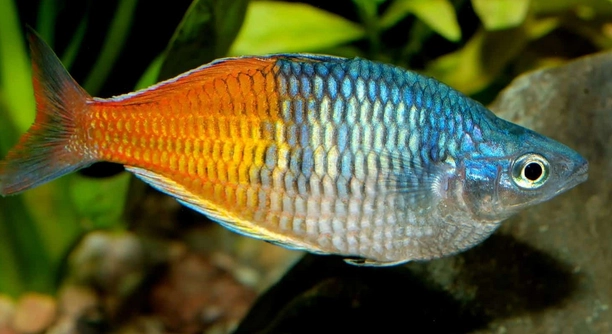
Rainbow fish are a fascinating species, known for their bright colors and energetic movements. You might have seen them darting around in aquariums, but have you ever wondered how they perceive their surroundings?
Rainbow fish have the ability to detect movement outside their environment, especially through their lateral line system. This sensory organ allows them to sense vibrations and changes in water pressure, helping them react to potential threats or prey.
Understanding how these fish use their sensory systems to detect movement outside their immediate space sheds light on their survival instincts. The mechanics behind this process are intricate and offer insight into their behavior and reactions in different environments.
How Rainbow Fish Use Their Lateral Line System
Rainbow fish have a unique ability to detect movement and vibrations in the water through their lateral line system. This specialized organ runs along the sides of their bodies and is sensitive to changes in water pressure. When something moves nearby, such as a predator or a potential mate, the fish can sense these subtle movements and react accordingly. This system is crucial for their survival, especially in the wild, where rapid response to threats is essential. It allows them to be highly aware of their surroundings, even in dark or murky water.
This sensory system helps rainbow fish avoid predators, find food, and even communicate with each other. By detecting vibrations from other fish, they can coordinate movements and avoid collisions. The lateral line system is not just about survival—it also plays a role in social interactions.
Understanding the lateral line system highlights how complex the behavior of rainbow fish is. It’s not just about bright colors and swift movements, but also about how they are finely tuned to their environment. Whether they’re avoiding danger or finding their way around, this ability is crucial for their daily lives.
Vibrations in the Water
Rainbow fish are sensitive to even the smallest vibrations in the water. This allows them to detect threats from a distance and react faster.
The lateral line system is a finely tuned organ that not only detects nearby movements but also helps rainbow fish navigate their aquatic surroundings. It’s essential in both the wild and aquarium settings, helping them maintain a sense of security. For example, when a predator approaches, the fish can sense the water’s pressure change. This early detection lets them flee quickly, sometimes even before they can visually spot the danger. Their ability to respond this way increases their chances of survival in the wild. In aquariums, the lateral line also helps them avoid obstacles or other tank mates, reducing stress. It’s a versatile system that proves essential in various situations, both for self-preservation and social interaction.
Detecting Movement from a Distance
Rainbow fish can detect movement from a surprising distance, even if they can’t directly see the object. Their lateral line system picks up on subtle shifts in water pressure, allowing them to react to approaching predators or potential mates. This gives them a sense of awareness beyond sight.
The ability to sense movement without direct visual contact gives rainbow fish a significant advantage in the wild. Whether in murky waters or clear streams, they can respond to danger long before they can actually see what’s coming. This early warning system helps them stay safe and navigate their surroundings more effectively. Their quick reactions are made possible by the sensitivity of the lateral line, which constantly monitors water vibrations.
In an aquarium, this system still plays a role. Even if you’re simply moving around the tank, the fish can sense the changes in water pressure and adjust their behavior accordingly. It’s fascinating how this sensory tool helps them stay alert and avoid potential threats without the need for sharp vision.
Social Behavior and Communication
Rainbow fish also use their ability to detect movement as a form of social communication. Through vibrations, they can convey their intentions to other fish, whether it’s to establish territory or signal the presence of food. This system helps maintain harmony in a group setting.
While many animals use sight and sound to communicate, rainbow fish rely heavily on their lateral line for social cues. For instance, when they feel a shift in water caused by another fish, they can respond by changing their movement or posture. This non-visual communication ensures that the group remains cohesive. It’s how they maintain a balance within their environment, whether it’s avoiding conflicts or helping to find food together.
Role in Avoiding Predators
Rainbow fish rely heavily on their ability to sense movement for predator detection. Their lateral line system helps them feel the vibrations caused by predators, giving them a chance to flee. This system increases their chances of survival in the wild, where predators are a constant threat.
The lateral line allows rainbow fish to detect predators even when they are far away. By sensing the changes in water pressure, they can prepare themselves to escape quickly, often before they even see the threat. This heightened awareness is a survival mechanism, keeping them one step ahead of danger.
Survival in Murky Water
In murky water, where visibility is low, rainbow fish use their lateral line to navigate effectively. This system allows them to detect objects and movement they can’t see, ensuring they don’t collide with obstacles. It also helps them find food and avoid dangers despite the lack of clear sight.
The lateral line system is essential for survival in environments with low visibility. It compensates for the fish’s limited vision, enabling them to interact with their surroundings effectively. This system helps them thrive in areas where their sight alone wouldn’t be enough, highlighting their adaptability.
Behavioral Reactions to Movement
When rainbow fish detect movement, they don’t just swim aimlessly. Their reactions are often purposeful and coordinated. Whether fleeing from a predator or swimming towards a school of fish, they use their sense of movement to guide their actions. This helps them respond to threats or opportunities in real time.
Their ability to respond quickly is an example of how finely tuned their behavior is to their environment. The fish rely on the information they gather through their lateral line system to adjust their swimming patterns, ensuring they remain safe and social in their habitat.
FAQ
Can rainbow fish see in complete darkness?
Rainbow fish rely mostly on their lateral line system to detect movement, especially in low-light conditions. While their eyes can see in dim lighting, they struggle in complete darkness. The lateral line helps them navigate and sense changes in their surroundings, even when they can’t see anything. This system compensates for poor vision in dark environments, allowing them to react to vibrations or movements they cannot see.
How do rainbow fish detect movement from a distance?
Rainbow fish can detect movement from a distance through the water’s vibrations. The lateral line system is sensitive to small changes in water pressure caused by nearby movement. This allows them to sense predators or other fish long before they can see them. Their quick response helps them stay safe in their natural environment.
Does the lateral line system work in aquariums?
Yes, the lateral line system works in aquariums as well. Even though the water may be stiller than in the wild, the fish can still sense movement around them. Whether you’re moving near the tank or adding new fish, rainbow fish can detect these changes. This system helps them adjust their behavior and avoid potential threats, even in a controlled environment.
What happens when a rainbow fish’s lateral line is damaged?
If a rainbow fish’s lateral line is damaged, it can have trouble detecting movement or vibrations in the water. This makes them more vulnerable to predators because they won’t be able to sense danger early. In an aquarium, a damaged lateral line may cause them to be less active or seem more stressed. Over time, this could impact their overall health and behavior.
How sensitive is the lateral line system to water movement?
The lateral line system is incredibly sensitive to water movement. It can detect even the smallest changes in water pressure. This sensitivity allows rainbow fish to react to nearby predators, food sources, or other fish without needing to see them directly. In murky water, this heightened sensitivity becomes even more important, as it helps them navigate through unclear environments.
Do rainbow fish use their lateral line to communicate with other fish?
Yes, rainbow fish use their lateral line to communicate with each other, especially when in a school. They can sense the vibrations made by other fish, allowing them to coordinate movements or avoid collisions. This system helps them stay in sync with the group, whether they are avoiding a predator or swimming toward a new food source.
Can rainbow fish detect human movement?
Rainbow fish can detect human movement near their aquarium, but they are more likely to respond to the vibrations in the water caused by your actions. For instance, if you approach the tank or tap on the glass, they may react to the changes in water pressure rather than seeing you directly. This makes them responsive to your presence without relying solely on vision.
Do rainbow fish rely more on sight or their lateral line?
Rainbow fish use a combination of sight and their lateral line to interact with their environment. In clear water, sight is more important for navigation and hunting. However, in murky conditions or when visibility is low, they rely heavily on their lateral line to detect movement and other environmental changes. This dual reliance makes them highly adaptable to different situations.
Can rainbow fish sense the movement of smaller fish or prey?
Yes, rainbow fish can sense smaller fish or prey using their lateral line. The vibrations caused by the movement of smaller fish are detected by the lateral line system, alerting the rainbow fish to the presence of potential food. This ability helps them locate prey even if it is too small or too fast to be easily spotted with their eyes.
How do rainbow fish react to detected movement?
Rainbow fish react to detected movement by either fleeing or approaching, depending on the situation. If they sense a predator, they will often swim away quickly to avoid danger. If they detect the movement of other fish in their group or a food source, they may swim closer to join the activity. Their reactions are swift and instinctual, ensuring they respond appropriately to their environment.
Are rainbow fish more active when they detect movement?
Rainbow fish often become more active when they detect movement. This can be due to several reasons, such as finding food or avoiding a threat. Their heightened sensitivity to vibrations makes them constantly alert, prompting them to react quickly when something changes in their surroundings. The more active they are, the better their chances of survival, whether that means escaping predators or finding food.
How do rainbow fish perceive food through their lateral line?
Rainbow fish use their lateral line to detect the vibrations caused by food in the water. When food moves or falls into the water, the lateral line picks up on the changes in water pressure. This helps them locate food even if they cannot see it directly, making the lateral line an important tool in feeding.
Can rainbow fish sense the movement of other creatures, like plants or debris?
Rainbow fish can sense the movement of plants or debris in the water, but their primary focus is on detecting living creatures. When plants or debris move, the vibrations they create can be detected by the lateral line system. However, the fish are more likely to react to animals that create more significant movements, like predators or potential prey.
Final Thoughts
Rainbow fish have a remarkable ability to sense their surroundings, thanks to their lateral line system. This sensory organ helps them detect movement and vibrations in the water, providing them with valuable information about potential threats or opportunities. The lateral line system is a vital part of their survival, allowing them to react quickly to changes in their environment, even when visibility is low. In both the wild and in aquariums, this system helps rainbow fish stay alert and avoid danger.
The ability to detect movement from a distance is a key advantage for rainbow fish. They can sense predators approaching or even detect smaller fish and prey, giving them enough time to react before they’re in harm’s way. This ability is not only crucial for self-preservation but also plays a role in their social interactions. By sensing vibrations from other fish, rainbow fish can communicate and coordinate with their school, maintaining harmony and avoiding conflict. It’s a simple but effective way for them to stay connected and safe within their group.
In an aquarium setting, rainbow fish continue to rely on their lateral line system to navigate their environment. Even though they may not face the same threats as they would in the wild, the system still plays a role in helping them adjust to changes around them. Whether it’s detecting your movements near the tank or responding to changes in water pressure, their sensitivity to movement is an essential part of their behavior. Understanding how rainbow fish use this sensory system offers a deeper insight into their complex world, and it’s clear that their reliance on it goes beyond just survival—it’s essential for their daily interactions and overall well-being.

Hello,
If you enjoy the content that we create, please consider saying a "Thank You!" by leaving a tip.
Every little bit helps us continue crafting quality advice that supports the health, happiness, and well-being of pets around the world, for pets of all shapes, sizes, and species.
We really appreciate the kindness and support that you show us!