
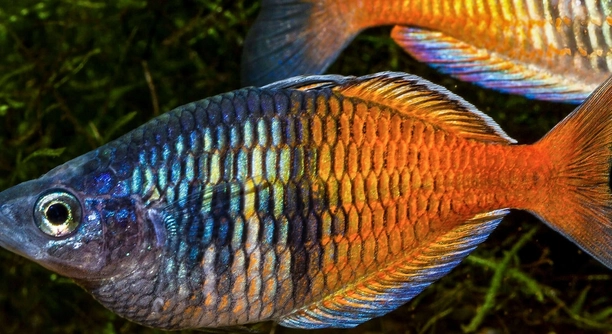
Rainbow fish are known for their vibrant colors and striking appearance. These fascinating creatures are often a topic of discussion for their intelligence and behavior. One question that frequently arises is whether they can detect human emotions.
Current studies suggest that rainbow fish may be capable of responding to certain human emotions. Their social behavior and sensitivity to environmental cues could enable them to recognize patterns linked to emotional states, particularly in the presence of familiar individuals.
The way these fish interact with humans offers insights into their possible emotional awareness. Understanding this behavior helps to improve their care and handling in captivity.
Can Rainbow Fish Sense Human Emotions?
Rainbow fish, like many animals, are highly sensitive to their surroundings. Their ability to detect slight changes in light, movement, and sound helps them navigate their environment. Interestingly, this sensitivity may extend to detecting human emotions. In situations where humans are present, rainbow fish often exhibit behavior changes such as swimming closer or moving away when their owner shows specific emotions. This suggests they may be able to sense and respond to human feelings.
The idea that rainbow fish can detect emotions raises questions about their cognitive abilities. It is likely that their behavior is shaped by their relationship with humans and the patterns they observe. The fish may associate certain emotional states with specific actions or routines, leading to behavioral changes.
In captivity, the fish may form a bond with their owner, responding to their mood through learned associations. This makes it important for fish owners to maintain a calm and positive environment, as fish might mirror these emotions through their actions.
How Rainbow Fish Interact with Humans
Rainbow fish are not just passive creatures in their tanks. They observe and react to their human caregivers. Studies suggest that their responses to emotional changes may be tied to their ability to perceive body language and vocal tones.
The way rainbow fish interact with humans is deeply influenced by their environment and care routines. In settings where the same person regularly feeds and handles them, these fish become more attuned to the caretaker’s behavior. The regularity of feeding times and consistent care creates a sense of familiarity, which can lead to noticeable reactions to changes in human behavior. These emotional responses are typically linked to behavior such as coming closer to the glass when an owner is nearby or retreating when feeling threatened.
Fish owners may notice their rainbow fish responding more eagerly when they are calm and positive. Conversely, if a person is stressed or upset, the fish may become more distant or less active. By creating a stable and calm atmosphere, owners can help ensure their fish thrive in both emotional and physical environments.
Can Rainbow Fish Detect Stress in Humans?
Rainbow fish seem to pick up on stress, particularly from their caretakers. This is not just about body language but how their environment changes. When a person is stressed, the change in energy can affect the fish, leading them to act differently. They may appear less active or even swim erratically.
Stress in humans can affect how they care for their fish. For example, they might feed them less regularly or not interact as often, which creates a shift in the fish’s routine. Rainbow fish, being observant creatures, can pick up on these inconsistencies. When a person feels stressed, the absence of normal care routines might make the fish anxious. This can result in behavioral changes, like hiding or swimming in circles, which signals that they sense something is different.
The bond between human and fish deepens with consistent care and interaction. When this changes due to emotional stress, it impacts the fish. They rely on predictable actions for their well-being. Therefore, managing stress can help improve the emotional bond and overall health of the fish.
Rainbow Fish and Positive Emotional Connection
Rainbow fish are responsive to positive emotions, especially when their owners maintain consistent care routines. Positive emotional states, such as calmness or joy, tend to make these fish more active and engaging. They become more curious and social, often swimming toward their owner when they approach the tank.
The bond between the rainbow fish and their owner is built on positive experiences. When humans interact with the fish in a calm and consistent manner, the fish learn to associate these actions with positive outcomes, like food or attention. Over time, this positive reinforcement strengthens the connection, making the fish more interactive and responsive. The more positive experiences they have, the more likely they are to approach and engage with their owners.
Such interactions are key to understanding the emotional landscape of rainbow fish. As they respond to the calmness of their owner, they become more comfortable and confident. This emotional connection is essential for their overall health and happiness in captivity.
How Rainbow Fish React to Human Emotions
Rainbow fish are keen observers of human emotions. They respond to the energy their owners emit. When a person is calm or happy, the fish tend to be more active and engaged. In contrast, if the owner is agitated or stressed, the fish may become withdrawn.
The emotional sensitivity of rainbow fish may not be fully understood, but their reactions are noticeable. These fish react to their environment, and since they live in close proximity to humans, their behavior reflects the mood and energy of the person caring for them. Positive emotions tend to make them more curious, while negative ones often lead to retreat.
The Role of Consistency in Fish Behavior
Rainbow fish thrive on consistency. They rely on regular feeding times and stable interactions. When humans maintain a predictable routine, the fish feel secure and comfortable. Changes in this routine, however, can lead to noticeable shifts in their behavior, such as hiding or swimming less frequently.
A consistent environment provides stability, which is key for rainbow fish. When they know what to expect from their owner, it creates a sense of trust. Disruptions in this consistency can make them feel anxious and less likely to engage. Regular care routines foster an environment where the fish feel safe.
Rainbow Fish and Their Social Behavior
Rainbow fish exhibit social behavior, which is influenced by both their environment and their interactions with humans. They are not solitary creatures and prefer the company of others. Their behavior often becomes more pronounced when there is a regular presence in their habitat. This shows that they respond to human presence as part of their social structure.
FAQ
Can rainbow fish recognize their owners?
Rainbow fish are capable of recognizing familiar people. They tend to respond to the presence of their owners by swimming closer to the tank when they approach. This behavior indicates that they have learned to associate their owners with positive experiences, such as feeding. Their ability to remember faces or distinguish between different individuals might not be as advanced as mammals, but they can recognize patterns related to their care routine.
Do rainbow fish feel emotions?
Rainbow fish likely experience basic emotional responses, such as stress, fear, and comfort. While they may not have the same emotional depth as humans or more complex animals, their reactions to their environment suggest an emotional connection to their surroundings. Stress caused by changes in their habitat, such as water temperature or tank conditions, can lead to visible behavioral shifts, such as hiding or reduced activity. Similarly, a calm and stable environment helps them feel secure and active.
How can I reduce stress for my rainbow fish?
To reduce stress for your rainbow fish, consistency is key. Maintaining a regular feeding schedule, keeping the tank clean, and ensuring the water conditions are stable can help them feel secure. Minimizing sudden changes in temperature, tank decorations, or the presence of other animals can also prevent unnecessary stress. Additionally, reducing loud noises and sudden movements around the tank can keep your fish calm. Rainbow fish thrive in environments where they feel safe and familiar.
Why do rainbow fish swim in circles?
If rainbow fish swim in circles, it can indicate stress, anxiety, or an issue with their environment. They may feel disoriented due to poor water quality, an overcrowded tank, or a lack of space. It can also occur if they are feeling threatened or are unable to escape an area of the tank. In some cases, circle swimming could be a result of a disease, such as swim bladder disorder. If this behavior persists, it’s important to assess their living conditions and consult with a vet if necessary.
Can rainbow fish live with other species?
Rainbow fish are generally peaceful and can live with a variety of other species. They tend to get along well with other community fish, as long as the tank mates are not overly aggressive or territorial. Ideal companions for rainbow fish include species such as tetras, guppies, and other small, peaceful fish. It is important to ensure that all species in the tank have enough space to avoid stress or aggression. Be cautious about species that may compete for food or space, as this can lead to conflict.
How can I tell if my rainbow fish is happy?
A happy rainbow fish will display energetic, active swimming behavior. They are likely to explore their environment and interact with other fish in the tank. If they are coming to the front of the tank when you approach or responding positively during feeding times, it’s a sign that they feel secure and content. Bright, vibrant colors and regular social interactions with tank mates also indicate that they are healthy and happy.
What causes rainbow fish to lose their color?
Rainbow fish can lose their color for several reasons, including stress, illness, or poor water quality. Changes in their environment, such as fluctuations in temperature or inadequate filtration, can cause them to appear dull or faded. Stress from overcrowding, improper diet, or the presence of aggressive tank mates can also affect their coloration. Ensuring stable water conditions and providing a balanced diet can help maintain their vibrant colors.
How long do rainbow fish live?
Rainbow fish typically live for around 3 to 5 years, though their lifespan can vary depending on the species and the care they receive. Proper tank maintenance, including clean water and a balanced diet, can help extend their lifespan. Avoiding common health problems, such as infections or stress, is also important for ensuring they live a long, healthy life.
Do rainbow fish require a lot of space?
Rainbow fish prefer larger tanks, as they are active swimmers. A tank size of at least 20 gallons is recommended for a small group of rainbow fish. Larger tanks provide more space for them to explore and establish territories, which reduces stress and promotes healthier behavior. If you plan to keep multiple species in the same tank, a larger tank is essential to avoid overcrowding and maintain a peaceful environment.
What do rainbow fish eat?
Rainbow fish are omnivores and enjoy a varied diet that includes both plant and animal matter. They can be fed a mix of high-quality flakes, pellets, and live or frozen foods like brine shrimp, daphnia, and bloodworms. Adding vegetables like blanched spinach or zucchini can provide additional nutrients. A well-balanced diet helps keep them healthy and vibrant.
Can rainbow fish breed in captivity?
Rainbow fish can breed in captivity if their tank conditions are right. They typically require clean water, stable temperatures, and a varied diet to breed successfully. Female rainbow fish lay eggs, which the male fertilizes. The eggs are usually hidden in plants or substrate. If you want to breed them, it’s important to create an environment that mimics their natural habitat, ensuring optimal conditions for reproduction.
Why is my rainbow fish hiding?
Hiding behavior in rainbow fish can indicate stress, illness, or discomfort. If the water quality is poor, if they are introduced to a new environment, or if they are feeling threatened by other tank mates, they may retreat to a quiet area of the tank. It’s important to monitor the water parameters and ensure the fish is not being harassed by other species. If hiding persists, further investigation into their health is needed.
Final Thoughts
Rainbow fish, like many other aquarium species, have a remarkable ability to respond to their environment, including the emotions and actions of their owners. While they may not experience emotions in the same way humans do, they do react to their surroundings, particularly the behavior and energy of those around them. Understanding these subtle cues can help aquarium owners foster a more stable and healthy environment for their fish. A calm, consistent approach to tank maintenance, feeding, and daily interactions can help rainbow fish feel secure and thrive in their habitat.
The importance of consistency in a rainbow fish’s care cannot be overstated. These fish respond best to a stable routine, including regular feeding times and a predictable environment. Sudden changes in their habitat, such as water temperature fluctuations or new tankmates, can lead to stress and disrupt their behavior. Owners should also pay close attention to water quality, as poor conditions can quickly lead to health problems and affect the fish’s ability to thrive. By providing a stable and well-maintained environment, owners can ensure their rainbow fish remain healthy, vibrant, and happy.
While rainbow fish may not be able to fully understand human emotions, they are sensitive to their environment and the energy in it. By maintaining a peaceful and well-managed tank, owners can create a space where the fish feel safe and secure. Regular care and attention to their needs can lead to a long and healthy life for these colorful, lively fish. Taking the time to understand their behavior and needs is essential to fostering a positive relationship between owners and their rainbow fish.

Hello,
If you enjoy the content that we create, please consider saying a "Thank You!" by leaving a tip.
Every little bit helps us continue crafting quality advice that supports the health, happiness, and well-being of pets around the world, for pets of all shapes, sizes, and species.
We really appreciate the kindness and support that you show us!