
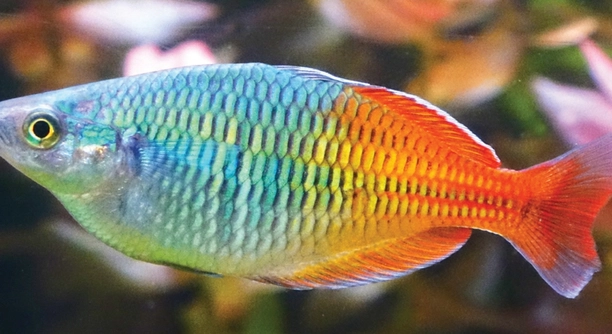
Rainbow fish are vibrant and striking creatures that capture attention in any aquarium. Their bright colors and active nature make them stand out, but is this enough to keep them competing for attention in a crowded tank?
Rainbow fish can compete for attention in an aquarium through their vivid coloration and active swimming behavior. However, their success in standing out often depends on the species present and the size of the tank.
Their ability to hold their own in a tank environment depends on the right balance of tankmates and space. Exploring the factors that contribute to their appeal will help you create a thriving aquarium.
The Appeal of Rainbow Fish
Rainbow fish are well known for their vivid colors, making them an attractive choice for many aquarium owners. These colors can be even more dazzling when the light hits them just right. Their ability to stand out is a significant part of their charm. Whether they are in schools or swimming alone, they catch the eye and add vibrancy to any tank.
However, it’s important to note that rainbow fish are not the only species capable of commanding attention. Other species, like guppies or bettas, can be just as captivating with their unique colors and behaviors. Rainbow fish do offer a unique combination of beauty and movement, but the competition is strong in the aquarium world.
The key to ensuring that rainbow fish remain the center of attention lies in their environment. They thrive in well-maintained tanks with proper filtration, lighting, and a balanced group of tankmates. They need space to swim freely, and they will thrive when placed with compatible species. By understanding the proper care and conditions, you can help them stand out in any setup.
Tankmates for Rainbow Fish
Choosing the right tankmates for your rainbow fish can be tricky. Certain species may overshadow their colorful beauty, while others may not be the right fit.
When selecting tankmates, consider the size and activity level of the fish. Rainbow fish generally do well with peaceful species that share similar water conditions and tank needs. They thrive best in schools, so keeping more than a few will enhance their natural behavior and appearance.
Space and Environment for Rainbow Fish
Rainbow fish need space to swim freely. A crowded tank can make them feel stressed and reduce their natural behaviors. Ensuring enough swimming room is crucial for their well-being. A tank of at least 30 gallons is recommended for a small school of rainbow fish.
They prefer to swim in the middle and upper parts of the tank. It’s important to include plants and rocks to provide hiding spots and enhance their environment. Proper filtration and regular water changes also help maintain a healthy space. Rainbow fish are sensitive to water quality, so maintaining optimal conditions will keep them active and vibrant.
Avoid overcrowding by limiting the number of fish in the tank. Rainbow fish will feel more comfortable and exhibit their best colors and behaviors when they have room to move around. Keeping the tank clean and providing hiding spots ensures their long-term health and happiness.
Feeding Rainbow Fish
Rainbow fish are not picky eaters, but providing them with a varied diet is essential. They enjoy both high-quality flakes and frozen food. A mix of vegetables, such as spirulina, along with protein-rich foods like brine shrimp, will keep them healthy.
Feeding rainbow fish once or twice a day works best. Overfeeding can lead to poor water quality, so it’s important to only give them as much as they can eat in a few minutes. Offering a balanced diet also helps bring out the vibrant colors of the fish. Too much processed food can dull their appearance.
Regular feeding schedules are key to keeping your rainbow fish active and healthy. By providing a variety of food, you can ensure they have all the necessary nutrients for growth and vibrant coloring.
Lighting for Rainbow Fish
Proper lighting helps bring out the rainbow fish’s vibrant colors. Bright, but not overly intense light is best. Ensure your tank has a light that mimics natural day and night cycles, as this will keep the fish active and comfortable.
Too much light can cause algae growth, which will affect water quality. It’s important to have a timer to maintain a consistent light cycle. A 10-12 hour light cycle is ideal. This helps to reduce stress and promotes healthy growth for both fish and plants.
Water Temperature and pH
Rainbow fish thrive in stable water temperatures between 72°F and 78°F (22°C to 26°C). Fluctuations in temperature can cause stress, so a reliable heater is essential.
Their ideal pH range is 6.5 to 7.5. Regular testing is important to ensure the water conditions remain stable. Keeping these factors in check promotes a healthy environment for both the fish and their tankmates. Stable conditions will encourage the fish to swim actively and show off their full coloration.
Regular Tank Maintenance
Rainbow fish require consistent maintenance to remain healthy. Regular water changes help keep the tank clean and the water quality high.
Be sure to check filters and clean the substrate to prevent waste buildup. Regular testing of water parameters—like ammonia, nitrate, and nitrite levels—is also essential. Proper maintenance ensures that the fish are happy and the tank remains visually appealing.
FAQ
How many rainbow fish should I keep together?
Rainbow fish are social creatures, and they do best when kept in schools. At least five to six fish should be kept together to ensure they feel secure and comfortable. A larger school will create a more natural environment for them, where they can display their vibrant colors and active behaviors.
Can rainbow fish live with other types of fish?
Yes, rainbow fish generally do well with peaceful, non-aggressive species. They are compatible with a wide range of tankmates, such as tetras, rasboras, and guppies. Avoid placing them with overly aggressive species like cichlids or bettas, which could stress them out.
What size tank do rainbow fish need?
Rainbow fish need a tank of at least 30 gallons. A larger tank will provide them with more space to swim freely and maintain water quality. It’s important to remember that the more fish you keep, the bigger the tank should be. Proper space promotes their health and behavior.
Do rainbow fish require special care?
Rainbow fish are not overly demanding, but they do require specific care to thrive. They need stable water conditions, proper lighting, and a balanced diet. Keeping up with regular water changes and monitoring water quality will ensure they stay healthy and vibrant.
How do I keep rainbow fish vibrant?
To keep your rainbow fish looking their best, focus on providing a varied and nutritious diet. Foods rich in color-enhancing ingredients, like spirulina and high-quality flakes, can help maintain their vivid hues. Also, ensure your tank is clean and well-maintained to keep their environment stress-free.
Can rainbow fish breed in a community tank?
Yes, rainbow fish can breed in a community tank, but successful breeding depends on maintaining optimal conditions. A separate breeding tank may be necessary to increase the chances of success. Provide them with plenty of plants and hiding spots, and ensure water conditions are ideal for spawning.
What should I do if my rainbow fish are stressed?
If your rainbow fish show signs of stress, such as erratic swimming or faded colors, it’s important to check water quality immediately. Stress can also be caused by overcrowding, incompatible tankmates, or sudden changes in the environment. By resolving the underlying issue, you can reduce stress and improve their health.
What temperature is best for rainbow fish?
Rainbow fish prefer water temperatures between 72°F and 78°F (22°C to 26°C). Keeping the water within this range is important for their well-being. Significant temperature fluctuations can cause stress, so it’s essential to use a reliable heater and thermometer to maintain consistent conditions.
Are rainbow fish aggressive?
Rainbow fish are generally peaceful and not aggressive. They tend to be active and may compete for space or food, but they do not typically harm other fish. If aggression is observed, it could be due to stress or incompatible tankmates. Ensure proper space and suitable companions.
Do rainbow fish eat plants?
Rainbow fish are not plant-eaters. They mainly eat small invertebrates, worms, and algae, along with high-quality fish food. However, some may nibble on soft-leaved plants if they are hungry or stressed. To prevent this, ensure a balanced diet and avoid overcrowding in the tank.
How often should I feed rainbow fish?
Rainbow fish should be fed once or twice a day. Offer only as much food as they can consume in a few minutes to avoid overfeeding. It’s important to provide a varied diet that includes flakes, pellets, and occasional live or frozen food like brine shrimp or daphnia.
Can rainbow fish tolerate lower light conditions?
Rainbow fish prefer moderate to bright lighting, which enhances their colors. While they can tolerate lower light conditions, dim lighting may cause them to become less active and show duller colors. Keeping the lighting on a regular cycle will help them remain active and vibrant.
Do rainbow fish need a filter?
Yes, rainbow fish require a good filtration system. A filter helps maintain water quality by removing waste and preventing the buildup of harmful toxins. The filter should provide gentle water movement, as strong currents can stress the fish. Regular maintenance of the filter is necessary for a healthy tank environment.
What type of substrate is best for rainbow fish?
Rainbow fish do well with a variety of substrates, but a fine gravel or sand substrate is ideal. It allows for proper water flow and won’t harm their delicate fins. You can also add some plants and rocks to the substrate to create a more natural environment for them.
Can rainbow fish survive in colder water?
Rainbow fish are tropical fish and require warm water to thrive. Temperatures below 72°F (22°C) can cause them to become stressed and unhealthy. If you live in a cooler climate, it’s crucial to use a heater to maintain a stable temperature range between 72°F and 78°F.
Are rainbow fish hardy?
Rainbow fish are generally hardy and adaptable, provided they have the right conditions. They are more tolerant of small fluctuations in water quality compared to some other species, but they still require consistent care. Maintaining a clean tank with stable water parameters is essential for their health.
Final Thoughts
Rainbow fish can make a beautiful addition to any aquarium. Their vibrant colors and peaceful nature make them popular among aquarium enthusiasts. However, keeping them healthy requires some effort and attention to detail. With the right care, they can thrive and provide long-lasting enjoyment. Ensuring that their tank is spacious, their water conditions are stable, and their diet is varied will help keep them vibrant and active.
It’s also important to consider their social needs. Rainbow fish are happiest in groups, and they benefit from being in a community of their own kind. While they can live with other peaceful fish, they thrive when surrounded by their own school. Providing them with hiding spots and plants can reduce stress, making them feel more comfortable in their environment. Regular maintenance, like water changes and monitoring water quality, is also necessary to maintain a healthy tank.
Ultimately, caring for rainbow fish isn’t overly complicated, but it does require attention to their specific needs. A properly maintained tank, balanced diet, and good tankmates are key to their well-being. With the right environment, rainbow fish can live happily and remain an eye-catching feature in your aquarium for many years to come.

Hello,
If you enjoy the content that we create, please consider saying a "Thank You!" by leaving a tip.
Every little bit helps us continue crafting quality advice that supports the health, happiness, and well-being of pets around the world, for pets of all shapes, sizes, and species.
We really appreciate the kindness and support that you show us!