
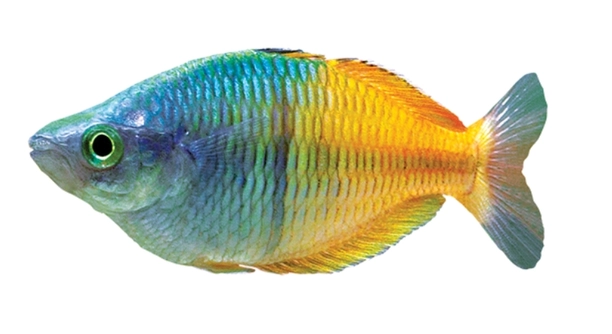
Rainbow fish are known for their vibrant colors and active nature, making them a favorite in many aquariums. While they are generally healthy, understanding their vulnerability to diseases is important to ensure their well-being.
Rainbow fish can catch diseases from other fish, especially if they are stressed, overcrowded, or exposed to poor water conditions. Diseases like fungal infections, parasites, and bacterial infections can spread through direct contact or contaminated water.
Maintaining a clean and stress-free environment for your rainbow fish is essential. Proper care and quarantine measures can prevent the spread of diseases and help keep your fish healthy.
Common Diseases That Can Affect Rainbow Fish
Rainbow fish are susceptible to various diseases, with some more common than others. Among these, parasites, fungal infections, and bacterial infections are the most frequent. These diseases can be spread through poor water conditions, overcrowded tanks, or even introducing infected fish into the tank. Poor water quality is one of the leading factors in disease outbreaks. High ammonia levels, improper pH, and low oxygen levels can weaken a fish’s immune system, making them more prone to infections. Recognizing the signs of illness early is key to preventing the spread to other fish. If left untreated, some diseases can lead to significant health decline and even death.
A simple way to avoid disease is maintaining proper tank hygiene. Regular water changes, cleaning the tank, and checking filtration systems help prevent illness. Ensuring fish are not stressed or overcrowded also lowers the risk.
While some diseases are preventable, others can occur unexpectedly. It’s essential to monitor fish behavior, appearance, and water conditions regularly to detect any issues early.
Preventing Diseases in Rainbow Fish
To prevent disease, start with quarantine procedures for new fish. Quarantining ensures new arrivals don’t bring infections into the main tank. Keeping the tank environment stable also reduces the risk of disease. Regular testing of water parameters, such as ammonia, nitrites, and pH, helps ensure the health of the fish.
Fish that are stressed due to inadequate space, poor water conditions, or aggression from other tank mates are more vulnerable to illness. Overcrowding is a common cause of stress, leading to weakened immune systems. Providing enough space for each fish to swim freely reduces stress. Adding plants or hiding spots can offer a sense of security and further reduce aggression among fish.
In addition, maintaining a consistent water temperature is crucial. Rainbow fish thrive in warmer water temperatures. Sudden temperature changes can shock the fish and make them more susceptible to diseases. Ensuring that the aquarium heater works correctly is essential for maintaining a stable environment. Regular observation of your fish’s behavior can help identify any signs of illness early, allowing for quick intervention.
Signs of Disease in Rainbow Fish
Rainbow fish may show signs of illness through changes in behavior, appearance, or swimming patterns. When stressed or unwell, they may swim erratically, stay at the bottom of the tank, or lose their vibrant color. A decrease in appetite is also common, which could signal a problem. If a fish develops lesions, white spots on the body, or abnormal swelling, it’s likely suffering from an infection. Early detection is crucial for treatment.
Some diseases cause visible changes, such as cloudy eyes, skin discoloration, or fins that appear torn or ragged. These signs indicate the fish is under distress, often from bacterial or parasitic infections. For instance, ich, a common parasitic disease, presents as tiny white spots on the fish’s body and fins. Recognizing these symptoms early on can help in providing proper treatment.
If you observe these signs, it’s important to act quickly. Isolating the affected fish in a separate quarantine tank allows for focused treatment without spreading the infection to others. Ensuring the main tank’s water quality is optimal can prevent further outbreaks.
Treatment Options for Infected Rainbow Fish
The first step in treating a rainbow fish is identifying the cause of the disease. If the infection is bacterial, antibiotics may be required. For parasites like ich, a medicated bath or temperature treatment can help eliminate the parasites. Ensuring that the treatment is suitable for your tank’s setup is essential.
It’s important to avoid using harsh chemicals that could harm the entire tank. A targeted approach, such as removing the infected fish and treating it separately, minimizes risk to other fish. Additionally, monitoring the water parameters throughout the treatment process can help prevent further stress on the fish.
In cases of fungal infections, antifungal treatments are available and can be effective in eliminating the problem. Some treatments require raising the water temperature or lowering the pH, as these conditions can help kill certain pathogens. Following the instructions on treatment labels and maintaining a clean environment is essential for recovery.
Quarantine Procedures for New Fish
Quarantining new fish is essential to prevent the spread of diseases. Place new arrivals in a separate tank for at least two weeks to observe their health. This reduces the risk of introducing infections to your main tank. During this period, monitor their behavior and appearance closely.
When quarantining, ensure the water conditions in the separate tank are similar to those of your main aquarium. Regularly check for any signs of illness or distress. If the new fish show no signs of disease after two weeks, it’s safe to introduce them to the main tank.
Tank Maintenance and Water Quality
Maintaining optimal water quality is vital for the health of rainbow fish. Perform regular water changes, ideally 20-30% every week, to keep ammonia and nitrites at safe levels. Test water parameters frequently, including pH, hardness, and temperature. Regular cleaning of the substrate and filters helps remove debris.
A proper filtration system ensures clean water, which reduces the risk of harmful bacteria and parasites. Keeping the water stable helps prevent stress and promotes healthy fish. Additionally, avoid overcrowding your tank to give the fish adequate space to thrive.
Stress Reduction in Rainbow Fish
Reducing stress in rainbow fish is crucial for their health. Overcrowding, poor water quality, or aggressive tankmates can cause stress, weakening their immune system. Provide enough hiding spots, plants, or decorations to help fish feel secure. Also, avoid sudden changes in water temperature or lighting, as these can trigger stress responses.
FAQ
Can rainbow fish recover from diseases?
Yes, rainbow fish can recover from diseases if treated early and properly. The likelihood of recovery depends on the type of infection and how quickly it’s addressed. Some conditions, like mild bacterial or parasitic infections, can be treated effectively with medication or changes in water conditions. However, if the disease progresses too far, it may be harder to treat. Quarantine procedures, clean water, and stress reduction are essential for recovery.
What are the most common diseases rainbow fish get?
Rainbow fish are commonly affected by parasitic infections, like ich, bacterial infections, and fungal diseases. Ich, a parasitic disease, is characterized by white spots on the fish’s body and fins. Bacterial infections can cause swelling, discoloration, or skin lesions, while fungal infections often appear as cotton-like growths on the fish. These diseases can spread quickly if the water quality is poor or if fish are stressed.
How can I tell if my rainbow fish is sick?
Sick rainbow fish often display changes in behavior and appearance. Symptoms include erratic swimming, loss of color, staying near the bottom of the tank, and reduced appetite. Physical signs include white spots, lesions, swollen areas, or frayed fins. If your fish shows any of these symptoms, it’s best to isolate it and begin treatment immediately.
Can rainbow fish be stressed by their tank mates?
Yes, tank mates can cause stress in rainbow fish. Aggressive or overly territorial fish may harass the rainbow fish, leading to stress and a weakened immune system. It’s important to choose compatible tank mates that won’t bully or chase the rainbow fish. Providing plenty of hiding spaces and plants also helps reduce stress.
How can I prevent diseases in my rainbow fish?
The best way to prevent diseases is to maintain excellent water quality. Regular water changes, proper filtration, and testing water parameters are essential. Additionally, avoiding overcrowding and introducing new fish without quarantining them can help prevent the spread of infections. Keeping the tank environment stable and free of stress also reduces the likelihood of disease.
Is it necessary to quarantine new fish?
Yes, quarantining new fish is crucial. It helps prevent the introduction of diseases to your established tank. By placing new fish in a separate tank for 2-3 weeks, you can monitor them for signs of illness. If they are healthy after the quarantine period, they can be introduced to the main tank safely.
What is the best water temperature for rainbow fish?
Rainbow fish thrive in water temperatures between 72°F and 78°F (22°C to 25°C). Maintaining a consistent temperature within this range helps reduce stress and promotes healthy growth. Sudden fluctuations in temperature can cause stress and weaken the fish’s immune system, making them more susceptible to diseases.
How often should I clean my rainbow fish tank?
To maintain water quality and prevent disease, it’s important to clean your tank regularly. Perform partial water changes of 20-30% every week to remove waste and toxins. Clean the substrate and filter as needed to ensure proper filtration. Regular cleaning prevents harmful buildup and helps keep the environment healthy for your rainbow fish.
Can I treat my rainbow fish with home remedies?
Home remedies can be helpful for mild issues, but they are not always reliable or effective for serious infections. It’s always best to use proven treatments, such as medicated baths or antibiotics, for bacterial and parasitic infections. However, keeping water conditions optimal and reducing stress can go a long way in supporting your fish’s health.
How do I prevent my rainbow fish from getting ich?
To prevent ich, maintain stable water conditions and avoid introducing infected fish. Quarantining new fish for at least two weeks before adding them to your main tank is essential. Ich thrives in stressed environments, so keeping the tank clean, avoiding overcrowding, and providing plenty of hiding spaces can also help reduce the risk.
Can rainbow fish spread diseases to other fish?
Yes, rainbow fish can spread diseases to other fish, especially if the disease is bacterial or parasitic. It’s important to isolate sick fish in a quarantine tank to prevent the disease from spreading. Additionally, keeping the main tank clean and ensuring proper filtration can reduce the risk of infection.
What is the best way to treat fungal infections in rainbow fish?
Fungal infections in rainbow fish often appear as cotton-like growths on the body or fins. To treat fungal infections, use antifungal medications specifically designed for aquarium fish. It’s important to remove the infected fish from the main tank and isolate them to prevent spreading the infection to others.
Can stress cause diseases in rainbow fish?
Yes, stress is a major factor that can lead to diseases in rainbow fish. When fish are stressed, their immune system becomes weaker, making them more vulnerable to infections. Stress can be caused by poor water quality, overcrowding, aggressive tank mates, or sudden changes in their environment. Reducing stress by maintaining a stable and clean environment is key to keeping your fish healthy.
Are there any vaccines for rainbow fish?
Currently, there are no vaccines available for rainbow fish to prevent diseases. The best way to protect your fish is by maintaining good tank hygiene, ensuring optimal water conditions, and avoiding introducing sick fish. Regularly monitoring the health of your fish can also help catch diseases early.
How do I treat bacterial infections in rainbow fish?
Bacterial infections can be treated with antibiotics, but it’s important to use the right type based on the specific bacteria. If you suspect a bacterial infection, it’s crucial to isolate the affected fish and treat it separately to avoid contaminating the entire tank. Keep the water conditions optimal and monitor the fish’s progress during treatment.
Can I use aquarium salt to treat rainbow fish?
Aquarium salt can be helpful for treating certain conditions, such as external parasites or minor wounds. However, it should be used with caution, as excessive salt can harm the fish. Always follow the recommended dosage and dissolve the salt before adding it to the tank. If in doubt, consult a veterinarian or fish expert for advice.
Do rainbow fish need a special diet to stay healthy?
Rainbow fish require a balanced diet to stay healthy. They are omnivores, so their diet should include a mix of high-quality flakes, pellets, and live or frozen foods such as brine shrimp and bloodworms. A varied diet ensures they receive all the nutrients needed for growth, vibrant colors, and immune support.
How can I improve the immune system of my rainbow fish?
A healthy immune system starts with maintaining clean water and minimizing stress. Regular water changes, proper filtration, and monitoring tank conditions are essential. Additionally, providing a well-balanced diet, including vitamin-rich foods, can help boost the fish’s immune system and improve its overall health.
Can I treat multiple rainbow fish at once?
Yes, you can treat multiple rainbow fish at once, but it’s important to do so carefully. If you’re using medication, ensure that it is safe for all the fish in the tank. If possible, isolate the infected fish in a quarantine tank to prevent the spread of disease and to allow for targeted treatment.
Final Thoughts
Maintaining the health of rainbow fish requires attention to water quality, stress levels, and the prevention of disease. Proper tank maintenance is essential for keeping the fish healthy and preventing illness. Regular water changes, monitoring the filtration system, and checking water parameters such as pH, temperature, and ammonia levels are vital. Stress factors like poor tank conditions, aggressive tankmates, and overcrowding should be minimized to ensure the fish remain in a stable and healthy environment. A clean tank and careful observation can help detect problems early, allowing for quick treatment.
Additionally, proper feeding is key to promoting the health of rainbow fish. A balanced diet, including both dry and live or frozen foods, ensures they receive the necessary nutrients. Regular feeding schedules also prevent overfeeding, which can lead to water quality issues. Offering a variety of foods also helps keep the fish active and colorful. It’s important to research the specific needs of the species to provide the most appropriate diet. Ensuring that the fish are not overfed or underfed will help maintain their immune system and overall health.
In conclusion, the best way to prevent diseases and maintain the health of rainbow fish is through prevention. Quarantining new fish, maintaining good water quality, and providing a stress-free environment will reduce the risk of disease. Paying attention to the signs of illness and acting quickly can improve recovery chances. Regular monitoring and making necessary adjustments will help keep your rainbow fish thriving for years. With proper care, these vibrant fish can live a long and healthy life, enriching your aquarium with their color and activity.

Hello,
If you enjoy the content that we create, please consider saying a "Thank You!" by leaving a tip.
Every little bit helps us continue crafting quality advice that supports the health, happiness, and well-being of pets around the world, for pets of all shapes, sizes, and species.
We really appreciate the kindness and support that you show us!