
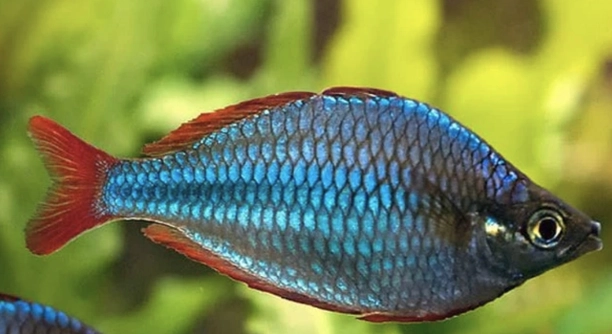
Rainbow fish are vibrant and captivating creatures often kept as pets. If you own one, you may be curious about how they interact with feeding tools and whether it’s possible to train them using such tools.
Rainbow fish can be trained to respond to feeding tools, but this requires patience and consistency. Using tools like feeding tongs or automatic feeders can help establish a routine and encourage the fish to associate them with feeding time.
There are different ways to incorporate feeding tools into their routine, which can lead to better behavior and feeding habits. Understanding these methods will help you build a more rewarding experience for both you and your rainbow fish.
Training Rainbow Fish with Feeding Tools: The Basics
Rainbow fish are intelligent and social creatures, capable of learning through repetition. They can be trained to associate feeding tools with food. To start, the fish must become familiar with the tools you plan to use. Gradually, they will recognize the tools as a signal that food is coming. Whether you choose a feeding stick, automatic feeder, or tongs, consistency is key. Over time, your rainbow fish may begin to swim to the surface or approach the tools when they are used. This training process requires patience, but it can create a more predictable and enjoyable feeding experience for both you and your fish.
The process begins with the fish observing the tools. It may take a few days for them to make the connection.
The key is to always use the same tools and approach during feeding times. When feeding, ensure the tools are introduced at the same time daily. This helps the fish create a routine. As the fish become familiar with the process, you may notice them reacting more eagerly when they see the tools. If you’re using automatic feeders, it’s important to set it on a schedule. Consistency will help the fish anticipate feeding time and ensure they remain comfortable with the new method.
Challenges You Might Encounter
While feeding tools can be effective, they may not work immediately. Some rainbow fish are more cautious and might need extra time to get comfortable with new items in their environment.
Patience is important when training rainbow fish to respond to feeding tools. If the fish are hesitant, try reducing the tool’s size or using a quieter approach. Sudden movements or loud noises can cause stress, making them less likely to interact with the tool. You should also consider the size of your tank. In a smaller tank, fish may not have as much space to explore and may not respond as quickly to the tool. If you notice that the fish aren’t reacting well to the tool, try using a softer approach, or allow them more time to adjust.
Benefits of Using Feeding Tools
Feeding tools provide a consistent way to feed rainbow fish, helping establish a routine. Tools like feeding tongs or automatic feeders reduce the stress of manually feeding each time. They also allow for more control over portion size and feeding times, leading to healthier habits for your fish.
Using feeding tools can also prevent overfeeding. It is easy to accidentally feed too much when using hands, especially with eager fish. Tools can help you measure portions more precisely, ensuring your fish get the right amount of food. Overfeeding can lead to water pollution and health problems for the fish, so this aspect is vital. Additionally, feeding tools reduce the chances of introducing contaminants into the water. Your hands may carry oils or dirt that can affect water quality. By using tools, you avoid transferring these elements into the tank.
Feeding tools may also reduce fish aggression. When using hands, fish may become more competitive or territorial, especially during feeding time. This can lead to stress or injury. Using tools can help eliminate direct interaction and promote a calmer atmosphere. It gives fish the space to feed without feeling threatened.
Choosing the Right Feeding Tools
When choosing feeding tools, consider the type of food you are offering. Some tools are better suited for dry food, while others work better for live or frozen foods. It’s important to select tools that match your feeding method.
Feeding tongs or sticks are often a good choice for dry or pellet-based foods. These tools are simple to use and provide a way to deliver food without getting too close to the fish. However, they may not work as well for live foods, which need to be dropped or moved around more. For frozen or live food, an automatic feeder may be a better option. These feeders release small portions of food at set times, allowing fish to eat without interference. It is especially useful for busy individuals or those who want to keep a regular feeding schedule.
Another factor to consider is the tank size. A small tank may benefit more from a small automatic feeder or hand-held tongs, as large feeding tools could be cumbersome. Meanwhile, a large tank might require larger or more specialized tools for effective feeding.
Maintaining Feeding Tools
Feeding tools need to be cleaned regularly to avoid buildup of food or bacteria. This helps maintain water quality and keeps the tank environment healthy for your rainbow fish.
Wash the tools after each use with warm water and a mild, fish-safe cleaning solution. Avoid harsh chemicals that could harm your fish. Ensure the tools are thoroughly dried before using them again.
Regular maintenance of feeding tools also helps extend their lifespan. Keeping them in good condition prevents wear and tear, ensuring they function properly over time. Taking care of these tools also shows you care for your fish and their environment.
When to Switch Feeding Methods
Sometimes, rainbow fish may become accustomed to a specific tool or method of feeding, and you might need to adjust. If you notice the fish are no longer responding to your current tool, it could be time for a change.
Switching to a new feeding tool may spark renewed interest and engagement during feeding times. If you feel the current method is no longer effective or practical, consider trying a new tool, like an automatic feeder. You can also try adjusting the size or type of food you’re using.
Troubleshooting Common Issues
If your rainbow fish are not responding well to feeding tools, try changing your routine. Over time, fish can become hesitant to interact with the tools.
Try feeding at different times of the day or adjusting the tool’s position in the tank. If you’re using tongs or sticks, ensure the movement is gentle and slow. Sudden actions may startle your fish, making them less likely to engage with the feeding tools.
FAQ
Can rainbow fish be trained to use feeding tools?
Yes, rainbow fish can be trained to respond to feeding tools with patience and consistency. The key is using the same tool consistently, whether it’s tongs, a stick, or an automatic feeder. Fish will gradually associate these tools with food, and over time, they may swim toward the tool when it’s introduced. Training may take a few days to a week, depending on the fish’s temperament and familiarity with the tool.
How do I start training my rainbow fish with feeding tools?
To start, introduce the feeding tool during regular feeding times. Hold it at a consistent height and distance, allowing the fish to observe it first. Gradually, they will begin associating it with food. Be patient and avoid sudden movements. Over time, the fish will respond to the tool as a feeding signal.
What if my rainbow fish doesn’t seem interested in the feeding tool?
If your fish doesn’t show interest right away, give them time to adjust. Some fish are naturally more cautious, and it may take a few tries. You can try reducing the tool’s size or movement, as sudden actions might scare them. Alternatively, try offering food through a different tool or method.
How can I prevent overfeeding with feeding tools?
Feeding tools help with portion control by allowing you to measure food more accurately. Automatic feeders are especially useful for ensuring the fish get the right amount of food without you having to guess. If you’re using tongs or sticks, measure out the correct amount beforehand to avoid overfeeding.
Can I use any type of food with feeding tools?
Most feeding tools work well with dry food, pellets, or flakes. However, for live or frozen food, some tools like automatic feeders might not work as effectively. You may need to use a specific type of tool, such as a feeding stick or tongs, for live or frozen foods.
Are there any risks associated with using feeding tools?
The main risk of using feeding tools is the potential stress it might cause if the fish are not familiar with them. Sudden movements, noise, or unfamiliar objects can startle fish. To avoid this, introduce tools slowly and with gentle movements. Also, ensure the tools are always clean to prevent contamination of the water.
How often should I clean the feeding tools?
Feeding tools should be cleaned after every use to ensure no leftover food builds up and contaminates the tank. Rinse them with warm water and a fish-safe cleaning solution. This prevents bacteria from growing and helps maintain good water quality in the tank. Make sure the tools are completely dry before using them again.
Can automatic feeders help with training?
Automatic feeders can help create a consistent feeding schedule, which may assist in training. By having food dispensed at regular intervals, rainbow fish can learn to associate feeding time with the sound or appearance of the feeder. While they don’t directly train the fish, they help establish a routine that the fish can adapt to.
Why is my rainbow fish not reacting to the feeding tool?
If your fish is not reacting to the feeding tool, it could be due to a few reasons. They might not have associated the tool with food yet. Try changing the timing, ensuring the tool is introduced at the same time each day. Also, check the type of food you’re using—certain foods might attract them more than others.
Can feeding tools help with fish aggression during feeding?
Yes, using feeding tools can help reduce aggression during feeding time. When feeding by hand, fish may compete for food, leading to stress or territorial behavior. By using tools like tongs or automatic feeders, you limit direct interaction and help create a calmer feeding environment.
Is it okay to use feeding tools in a large tank?
Feeding tools work well in both small and large tanks. In a larger tank, you may need a longer feeding stick or multiple automatic feeders to ensure all fish receive their share of food. In some cases, using different types of tools may be necessary for large tanks with a variety of fish species.
Can I use feeding tools for other types of fish?
Feeding tools can be used for many types of fish, especially those that are social or trained to eat at a set time. While rainbow fish respond well to feeding tools, other species such as bettas or goldfish can also be trained in a similar way. The same principles apply, but the fish’s behavior and feeding habits might require different approaches.
How do I know if I’m overfeeding my rainbow fish?
Overfeeding is a common issue that leads to poor water quality and health problems for the fish. Signs of overfeeding include uneaten food floating in the tank, cloudy water, and visible waste buildup. If you’re using feeding tools, make sure the portion size matches what your fish can consume in a few minutes.
What if my rainbow fish refuses to eat from the feeding tool?
If your fish refuses to eat from the tool, it may take time for them to adjust. Try using a different food or reducing the size of the tool to make it less intimidating. You could also try hand-feeding them with the tool in their line of sight to establish a connection.
Final Thoughts
Using feeding tools with rainbow fish can be a great way to improve feeding routines and reduce stress during mealtimes. The key to success is consistency. Fish can learn to associate feeding tools with food over time, making feeding easier and more predictable. However, this process requires patience. Rainbow fish, like all animals, need time to adjust to new routines. It may take a few days for them to get used to the tools, but with careful, gradual training, they can learn to respond positively.
It’s important to choose the right feeding tools for your fish. Not all tools work with every type of food, so be sure to select those best suited for the kind of food you plan to feed. Automatic feeders, for example, work well for dry foods but may not be effective for live or frozen food. Tongs or feeding sticks are better suited for those. Also, consider the size of your tank. In smaller tanks, a simpler tool may be enough, while larger tanks might require more specialized equipment to ensure all fish get their share of food.
Ultimately, feeding tools can make your life easier by helping you control portions and reduce overfeeding. They also promote a more consistent feeding schedule, which is beneficial for the health and well-being of your rainbow fish. However, don’t be discouraged if your fish don’t respond right away. With patience, you’ll likely see positive results, and feeding your rainbow fish will become a simpler and more efficient process.

Hello,
If you enjoy the content that we create, please consider saying a "Thank You!" by leaving a tip.
Every little bit helps us continue crafting quality advice that supports the health, happiness, and well-being of pets around the world, for pets of all shapes, sizes, and species.
We really appreciate the kindness and support that you show us!