
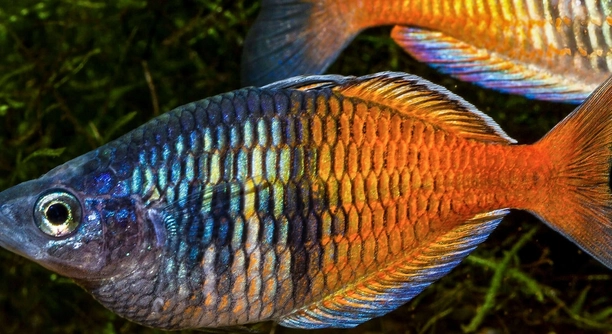
Rainbow fish are known for their vibrant colors and playful behavior, making them a popular choice for aquariums. These lively creatures can often be a joy to watch, but have you ever wondered if you can train them?
Rainbow fish are trainable to some extent, but their learning capacity is limited compared to mammals or birds. They can be conditioned to recognize feeding times and respond to certain cues, such as light or sound.
With the right approach and patience, there are some fun tricks you can try with your rainbow fish. Learning how to train them could enhance the bond between you and your aquatic pet while offering an enjoyable experience.
How to Train Rainbow Fish: The Basics
Training rainbow fish may sound difficult, but it’s easier than it seems. The key is to keep things simple and be patient. Start by focusing on a few basic behaviors, such as getting them to associate sound or light with feeding time. Using consistent cues can help your fish learn faster. Positive reinforcement, like feeding them right after a specific sound or light signal, encourages them to make the connection.
While rainbow fish are not as trainable as other pets, they can recognize routines. They won’t perform tricks like dogs or birds, but they can show some level of response to certain cues, such as swimming to the surface when they hear a specific sound.
Patience is essential for training rainbow fish. Since they are driven primarily by their need for food, using feeding time as a reward is an effective method. This simple routine can help them learn cues, though it will take time. Your rainbow fish will start recognizing certain patterns, and over time, they’ll respond more predictably to cues.
Fun Tricks to Try with Your Rainbow Fish
While rainbow fish aren’t going to jump through hoops, they can still be taught some fun, simple tricks. Try getting them to swim to the front of the tank when you tap the glass. This trick doesn’t require complex training and can be done by tapping the glass at feeding time. Over time, your fish may learn to associate the tapping sound with food and swim over to where the sound came from. It’s a simple way to interact with your fish and keep them engaged.
To teach them, start tapping gently every time you feed them. They’ll likely investigate the sound at first, and once they realize it leads to food, they’ll begin to swim to the sound automatically. It’s a low-stress trick that’s rewarding for both you and your rainbow fish.
Consistency and repetition are key to success with this trick. Ensure you’re tapping at the same time each day when you feed them. The more consistent you are with timing, the quicker they will catch on. Although their responses may not be immediate, over time, you’ll notice your rainbow fish swimming to the glass in response to the tapping sound.
Understanding the Limitations of Rainbow Fish Training
Rainbow fish have a limited ability to learn compared to more intelligent pets. Their brains are wired for simple tasks, mainly based on feeding routines and environmental cues. While they can associate sounds or lights with food, they aren’t capable of complex learning like mammals or birds. Recognizing their limits is important when setting expectations for training.
Despite their limitations, rainbow fish can respond to certain patterns. They can recognize familiar sounds, colors, and movements associated with feeding. They won’t perform elaborate tricks but may respond predictably to cues, such as swimming to a particular spot when they hear a sound or see a light. It’s essential to keep training consistent and uncomplicated.
When training rainbow fish, avoid overwhelming them with too many cues at once. Start small, focusing on one or two specific signals. Repeating these signals at the same time each day will help them connect the dots. Their learning capacity is minimal, but with patience, you may see progress.
How Environment Affects Training Success
The environment plays a significant role in how well rainbow fish respond to training. A clean, well-maintained tank with stable water conditions helps your fish stay healthy and focused. Stress can hinder their ability to learn, so maintaining a calm, comfortable setting is essential. Avoid sudden changes in the tank’s environment, as this can confuse your fish.
When training your rainbow fish, ensure the tank is free from sudden disturbances or overcrowding. A quiet space, consistent water temperature, and proper lighting are all crucial. These factors allow the fish to feel secure, reducing stress and making them more likely to respond to cues. A well-balanced environment improves your chances of success.
A comfortable environment will also keep your fish more active and engaged. Rainbow fish thrive in stable, peaceful settings, which makes training more effective. If they’re constantly stressed or their tank conditions fluctuate, it will be difficult for them to focus on learning.
The Best Training Methods for Rainbow Fish
Using positive reinforcement is the best way to train rainbow fish. They respond well to food-based rewards. Start by associating specific sounds or lights with feeding time. Repeating this routine helps them make connections between the cues and the reward.
Focus on consistency when training. Choose one or two signals to associate with food, and repeat them daily. Avoid confusing your fish with too many changes. Over time, they’ll begin to recognize these cues, and their responses will become more predictable. Training sessions should always be calm and non-stressful for the best results.
It’s important to note that rainbow fish won’t respond as quickly as other pets. Keep your expectations realistic and be patient. Stick to a simple routine to help your fish understand the connection between actions and rewards. They’ll need time, but with steady practice, they will learn.
Recognizing Your Fish’s Body Language
Rainbow fish communicate primarily through their body language. Watch for signs that show they’re comfortable or stressed. A relaxed fish will swim calmly and move with fluidity. A stressed fish may dart quickly or hide more often. Recognizing these behaviors helps you gauge when your fish is ready to engage in training.
Understanding their body language helps you create a suitable training environment. If your fish seems stressed or hides frequently, it’s best to stop the training for a while. Fish can become overwhelmed, so it’s essential to maintain a balance between training and ensuring they feel safe in their tank.
Feeding as Motivation for Training
Feeding is the most effective motivator when training rainbow fish. They are highly food-driven, so associating a cue with feeding time is a good strategy. Use small amounts of food to avoid overfeeding, and be consistent with the timing of training sessions to establish the connection.
FAQ
Can rainbow fish really be trained?
Yes, rainbow fish can be trained to some extent. They are not as trainable as mammals or birds, but they can learn basic behaviors, like responding to feeding cues. With patience and consistency, they can associate certain sounds or lights with food. The key is to keep expectations realistic and focus on simple tasks.
How long does it take for rainbow fish to learn a new behavior?
The time it takes for rainbow fish to learn a new behavior can vary. Generally, it could take a few weeks to a month for them to start responding consistently to cues. The most important factor is repetition and consistency. If you feed them at the same time each day and use the same cues, they will begin to make the connection.
What kind of tricks can rainbow fish learn?
Rainbow fish can learn simple tricks, like swimming to a specific part of the tank when they hear a sound or see a light. They won’t perform complex tricks like jumping through hoops, but they can recognize and respond to feeding cues. By tapping on the glass or using a specific light, you can teach them to associate those actions with food.
Can I train my rainbow fish to eat from my hand?
Yes, it is possible to train rainbow fish to eat from your hand, but it will take time. Start by offering food near your hand and gradually move your hand closer to the fish during feeding time. Eventually, they may become comfortable enough to eat directly from your fingers. This is more about building trust and routine than complex training.
How do I know if my rainbow fish is stressed during training?
Stress can be indicated by sudden, erratic swimming, hiding, or darting around the tank. If your rainbow fish begins showing these signs during training, it’s important to stop and give them time to relax. Stress can hinder their ability to learn, so it’s best to train in short, calm sessions.
Can I train multiple rainbow fish at once?
It’s possible to train multiple rainbow fish at once, but it may be harder to focus on individual fish. If you have more than one fish, training might become a group activity, and they could start associating the cue with all fish, not just one. For better results, try focusing on one fish at a time until it learns the behavior.
What kind of food is best for training rainbow fish?
Use small, healthy portions of food that your rainbow fish loves. Most rainbow fish enjoy high-quality flake food, pellets, or live food like brine shrimp. The key is to use something they find irresistible, as that will make them more motivated to respond to cues during training.
Do rainbow fish need a special environment to learn?
Yes, the right environment is crucial for training. Rainbow fish are more likely to learn in a calm, stable tank environment. Ensure the water conditions are ideal, the temperature is consistent, and the tank is clean. Stress from poor water quality or sudden changes can make training more difficult.
How often should I train my rainbow fish?
It’s important not to overdo it. Training sessions should be short, around 5 to 10 minutes each day. Over-training can cause stress and might confuse your fish. Aim for consistency, and try to train at the same time every day. This helps your fish associate the routine with feeding time and will encourage faster learning.
Can rainbow fish be trained to do complex tasks like jumping?
No, rainbow fish cannot perform complex tasks like jumping through hoops. They are capable of basic learning, such as recognizing cues related to feeding. However, their intelligence is limited compared to more trainable pets. Focus on simple routines like responding to light or sound rather than expecting them to perform tricks.
How do I stop my rainbow fish from being scared of training?
Building trust is the key to stopping your rainbow fish from being scared. Start with gentle cues, like tapping the glass softly. Avoid sudden movements, which can cause fear. Over time, they’ll get used to the process, especially when they associate the cues with food. Patience is essential in overcoming any fear.
Can rainbow fish be trained to interact with other fish?
Rainbow fish typically won’t interact with other fish in a trained way. While they may recognize each other, training tends to focus on individual behaviors, like responding to food cues. However, if you train multiple fish, they might begin to respond collectively to the same cues, though they won’t learn to interact with each other intentionally.
What are some signs my rainbow fish is learning during training?
Look for positive changes in behavior. If your rainbow fish starts swimming to a specific spot when it hears a sound or sees a light, that’s a sign it’s learning. Over time, you’ll notice your fish becoming more predictable in their responses to cues. Consistency in their actions is the key indicator that they are learning.
Are there any risks to training rainbow fish?
The main risk is stress. If you push your rainbow fish too hard or train for too long, they might become stressed, which can affect their health and their ability to learn. Keep training sessions short and focused, and ensure that the tank conditions are always optimal. Also, be mindful of overfeeding, as this can harm your fish’s health.
How can I make sure my rainbow fish are happy during training?
To keep your rainbow fish happy during training, ensure that their environment is calm, clean, and stress-free. Give them plenty of time to rest between sessions, and always use positive reinforcement, such as food rewards. Keep training sessions short and rewarding, and be mindful of any signs of stress during the process.
Final Thoughts
Training rainbow fish can be a rewarding experience, but it requires patience and a clear understanding of their limits. These fish can’t learn complex tricks, but they can be conditioned to recognize simple cues like sounds or lights associated with feeding time. With consistency, you can establish a routine that helps your fish become more responsive. The process is simple, but it’s important to remember that rainbow fish are not as trainable as other pets, like dogs or birds. Their learning ability is more limited, so it’s essential to keep expectations realistic and enjoy the process at a slower pace.
A peaceful environment plays a significant role in training success. If the tank is dirty or the water conditions aren’t ideal, your rainbow fish may become stressed and less responsive to training. By maintaining a clean and stable tank, your fish will be more likely to focus on the training itself rather than feeling anxious. Avoiding sudden changes in the tank’s setup will help your fish feel safe and secure, which is necessary for learning. Additionally, remember to keep your training sessions brief. Long, drawn-out sessions can lead to stress and confusion for your fish, which can delay their progress or cause them to stop responding altogether.
While rainbow fish may not perform elaborate tricks, they can still show signs of learning and create a more interactive experience for both you and your fish. Using feeding cues as a reward and focusing on simple actions will lead to positive results over time. It’s important to enjoy the process and keep things light and fun. Even small progress, like your fish swimming to the front of the tank when you tap the glass, is a sign of successful training. By respecting their natural behavior and being patient, you can enjoy a rewarding relationship with your rainbow fish.

Hello,
If you enjoy the content that we create, please consider saying a "Thank You!" by leaving a tip.
Every little bit helps us continue crafting quality advice that supports the health, happiness, and well-being of pets around the world, for pets of all shapes, sizes, and species.
We really appreciate the kindness and support that you show us!