
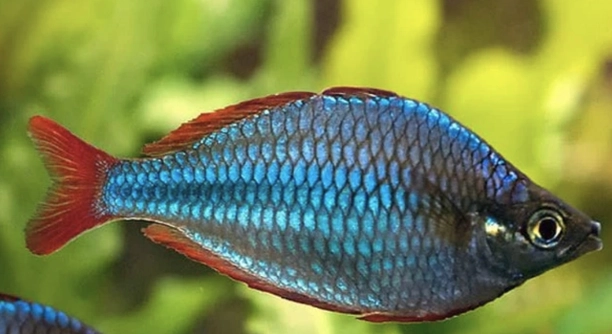
Rainbow fish are popular pets due to their vibrant colors and peaceful nature. Many fish owners enjoy watching them swim around their tanks, but sometimes, these fish may show signs of stress or discomfort, leading to questions about their well-being.
Rainbow fish can indeed become overstimulated in certain environments. Factors such as excessive movement, overcrowding, or sudden changes in water conditions may cause stress. This can affect their behavior and overall health.
Understanding how rainbow fish react to their surroundings can help you maintain a healthy tank environment. Adjusting water conditions and providing a balanced environment will ensure your fish remain happy and stress-free.
Causes of Overstimulation in Rainbow Fish
Rainbow fish, like many aquarium species, are sensitive to changes in their environment. Overstimulation often occurs when they are exposed to rapid changes in water temperature, sudden movements, or overcrowding. This can make them anxious or uneasy, impacting their health. Additionally, rainbow fish need space to swim, so when a tank is too small or populated, stress can result. High levels of light or too much noise from nearby areas can also add to their discomfort. All these factors combined can create a stressful atmosphere, leaving your rainbow fish stressed and unable to thrive.
Even though rainbow fish are relatively hardy, maintaining a calm and stable environment is essential for their well-being. Minimizing disturbances in their tank space will reduce unnecessary stress. Keep in mind that every rainbow fish has unique tolerance levels.
Keeping a consistent water temperature and reducing the intensity of lights can go a long way. Also, ensure your tank has enough space for all inhabitants. Avoiding drastic changes in the water or adding too many new fish will help create a calm space for them.
Identifying Signs of Stress in Rainbow Fish
Stress can manifest in different ways in rainbow fish. They may hide more than usual or swim erratically, signaling they feel unsafe. Physical signs include faded colors or clamped fins. Fish who are overstimulated might also eat less or appear lethargic. These signs are crucial to address before the stress becomes harmful.
When rainbow fish are overstimulated, it’s important to observe their behavior closely. It’s easy to mistake stress for other health issues, but there are some clear indicators to look for. Stress often leads to a weakened immune system, leaving your fish more susceptible to diseases.
If you notice your rainbow fish acting differently, it could be due to overstimulation. They may dart around the tank or even swim in circles. Clamped fins, when they keep their fins tightly against their body, are another sign they may be stressed. Other behavioral changes include a lack of appetite and frequent hiding.
By paying attention to these behaviors, you can quickly address potential issues before they affect your fish long-term. Recognizing these signs early can help prevent more severe problems, keeping your rainbow fish healthy and vibrant.
How to Prevent Overstimulation in Rainbow Fish
To prevent overstimulation in rainbow fish, focus on maintaining stable water conditions and avoid sudden changes in the tank. Keeping the tank clean and ensuring proper filtration also help minimize stress. A consistent routine, including feeding and water changes, creates a calm atmosphere for your fish.
One of the best ways to avoid overstimulation is to provide an environment that suits the fish’s natural habits. Rainbow fish thrive in well-planted tanks, where they can hide and feel secure. Avoid overstocking the tank, as crowded spaces can lead to anxiety. Additionally, ensure that the aquarium is in a quiet, low-traffic area to avoid excessive noise and movement. This helps to maintain their calm.
Pay attention to the lighting in the tank. Overly bright lighting can stress out rainbow fish, so try using dim lights or providing places where they can hide from direct light. Also, make sure to establish a regular feeding schedule and stick to it. This helps reduce sudden activity in the tank and ensures your fish feel more secure.
Proper Tank Size and Space Requirements
Rainbow fish need a tank that’s large enough for them to swim freely. A small or overcrowded tank can quickly lead to stress. Ideally, the tank should be at least 30 gallons for a small group of rainbow fish. Ensuring enough space allows them to move around and interact with their environment without feeling cramped.
The more space your rainbow fish have, the more comfortable and healthy they’ll be. When setting up the tank, leave plenty of room for swimming and add plants or decorations that mimic their natural habitat. These additions will provide hiding spots and create a more peaceful environment. Overstocking the tank or placing incompatible fish together can lead to stress, causing your rainbow fish to become overstimulated.
Rainbow fish are active swimmers, so offering a tank with ample swimming space is crucial for their well-being. A larger tank allows for better water quality management, which reduces the chances of water fluctuations that could harm your fish. Ensure your tank’s size matches the number of fish you plan to keep, keeping their physical and social needs in mind.
Water Temperature and Quality
Maintaining the right water temperature and quality is key to preventing overstimulation in rainbow fish. Keep the water between 72°F and 80°F (22°C – 27°C) for optimal health. Consistent water conditions reduce stress and promote a calmer environment.
Regular water changes are important for maintaining the tank’s quality. Aim for a 25% water change every two weeks to remove waste and keep the water clean. Proper filtration also helps maintain healthy water conditions. You can use a heater to keep the temperature steady, avoiding sudden fluctuations that might stress your fish.
Regular testing of water parameters such as pH, ammonia, nitrites, and nitrates is necessary to ensure they are within safe levels. Keeping the water clean and stable is essential to preventing health issues and overstimulation. By staying on top of water quality, you provide a safer and more stable environment for your rainbow fish.
Lighting and Noise Levels
Rainbow fish are sensitive to light and noise. Excessive lighting or loud sounds can cause unnecessary stress, leading to overstimulation. Keep lighting at moderate levels and avoid placing the tank in high-traffic or noisy areas.
Bright lights can disturb the natural behavior of rainbow fish. It’s best to use subdued lighting, especially if your tank has live plants. Additionally, avoid placing the tank near loud speakers or heavy foot traffic. Minimizing noise and light intensity will create a calmer atmosphere for your fish.
Tankmates for Rainbow Fish
Rainbow fish do well with peaceful tankmates. Choose species that don’t exhibit aggressive behaviors or compete for space. Aggressive fish can create tension, increasing the likelihood of overstimulation.
FAQ
What are the signs that my rainbow fish are overstimulated?
Rainbow fish show a few key signs when they’re overstimulated. If you notice them swimming erratically, hiding more than usual, or clamping their fins against their bodies, these are signs of stress. Their colors may also become dull, or they might eat less frequently. Additionally, overstimulated fish may dart around the tank in a way that appears frantic. If you see any of these behaviors, it’s a good idea to check the tank conditions and make adjustments to reduce stress.
Can overstimulation lead to illness in rainbow fish?
Yes, overstimulation can make rainbow fish more susceptible to illness. Stress weakens their immune systems, leaving them vulnerable to infections and diseases. Chronic stress caused by overstimulation can result in long-term health problems. Therefore, maintaining a peaceful environment and addressing any signs of stress early is essential for your fish’s overall health.
How do I avoid overstimulation during water changes?
To avoid overstimulation during water changes, make sure to perform them slowly and carefully. Sudden shifts in water temperature, pH, or chemistry can stress out your rainbow fish. Use a water conditioner to remove harmful chemicals from tap water, and try to keep the water temperature stable by matching it to the tank’s current temperature. Change no more than 25% of the water at a time to avoid overwhelming your fish.
Can overcrowding cause overstimulation in rainbow fish?
Yes, overcrowding is a major cause of overstimulation in rainbow fish. When there are too many fish in a tank, it creates competition for space and resources, which can lead to stress. This stress can manifest as erratic swimming, hiding, or aggression. To avoid overcrowding, always ensure your tank is large enough for the number of fish you have and provide enough space for each one to swim comfortably.
What is the best tank size for rainbow fish to avoid overstimulation?
The best tank size for rainbow fish is at least 30 gallons, but larger is always better. A larger tank allows for proper water circulation and ensures there’s enough space for your fish to swim freely. With enough space, they will be able to avoid feeling trapped or stressed. If you plan to keep multiple rainbow fish or other tankmates, consider a tank of 50 gallons or more. Larger tanks also help keep the water conditions stable, reducing the risk of overstimulation from fluctuating parameters.
Can I keep different species of rainbow fish together without causing overstimulation?
Yes, you can keep different species of rainbow fish together, but it’s important to ensure that the species are compatible in terms of temperament and tank requirements. Some species may be more territorial, while others may be more passive. As long as you provide enough space and ensure the tank is not overcrowded, rainbow fish from different species can coexist peacefully. However, it’s important to monitor their behavior closely when introducing new species to make sure there is no aggression or stress.
How can lighting affect overstimulation in rainbow fish?
Lighting can play a significant role in overstimulation for rainbow fish. Bright or constant lighting can stress them out, causing erratic behavior or hiding. It’s best to use a gentle lighting setup that mimics natural day and night cycles. Using a timer for your aquarium lights can also help create a regular day/night pattern, which gives your fish a sense of stability. You can also provide areas with low light or places for them to hide if they feel overwhelmed.
How often should I feed my rainbow fish to avoid overstimulation?
Rainbow fish should be fed once or twice a day, depending on their age and activity level. Overfeeding can lead to stress, as leftover food can deteriorate water quality. Overfeeding may also cause your fish to become more active, increasing their chances of overstimulation. Offer small portions of food that they can consume in a few minutes. Always remove any uneaten food after a few minutes to maintain a clean tank environment.
Can water temperature fluctuations cause overstimulation in rainbow fish?
Yes, water temperature fluctuations can cause significant stress for rainbow fish. These fish are sensitive to sudden changes in temperature, and rapid shifts can cause them to become overstimulated. To avoid this, use a reliable aquarium heater to maintain a stable temperature. Make sure the temperature stays within the ideal range of 72°F to 80°F (22°C – 27°C). Avoid placing the tank in direct sunlight or areas with drafts, as these can cause fluctuations in the water temperature.
How do I know if my rainbow fish are stressed due to overstimulation or illness?
It can be tricky to differentiate between stress from overstimulation and illness, as both can result in similar symptoms. However, the main difference is that stressed fish typically show behavioral changes like erratic swimming, hiding, or loss of appetite, while ill fish might exhibit more physical symptoms such as lesions, abnormal growths, or discoloration. If you see your fish behaving unusually, check for signs of illness like visible injuries or sores. If there are no physical signs, it’s more likely the fish are stressed due to environmental factors.
Final Thoughts
Taking care of rainbow fish involves more than just feeding them and keeping their tank clean. It’s important to create an environment where they feel safe and comfortable. Overstimulating factors like overcrowding, fluctuating water temperature, and too much light can lead to stress, which impacts their health and well-being. Keeping an eye on their behavior and making adjustments to the tank setup can help prevent overstimulation. When your rainbow fish are in a calm and stable environment, they will be more likely to thrive and show their full, vibrant colors.
To avoid overstimulation, focus on maintaining a stable tank environment. This includes regular water changes, keeping the water temperature within the ideal range, and providing enough space for your fish to swim freely. Avoid overcrowding the tank and make sure your rainbow fish have plenty of hiding spots or areas where they can relax. Proper lighting is another factor to consider. Using softer lighting and providing a natural day-night cycle helps reduce stress. Noise levels around the tank should also be kept to a minimum to avoid disturbing the fish. Small adjustments to these factors can make a big difference in keeping your fish happy and healthy.
Rainbow fish are generally easy to care for, but like all pets, they require attention to their needs. Understanding the signs of stress, such as erratic swimming or fading colors, can help you catch potential problems early. By creating a peaceful environment and paying attention to the little details, you can prevent overstimulation and ensure your rainbow fish live a long and healthy life. Keep the tank clean, maintain stable water conditions, and respect their space, and your rainbow fish will reward you with their beauty and vibrant energy.

Hello,
If you enjoy the content that we create, please consider saying a "Thank You!" by leaving a tip.
Every little bit helps us continue crafting quality advice that supports the health, happiness, and well-being of pets around the world, for pets of all shapes, sizes, and species.
We really appreciate the kindness and support that you show us!