
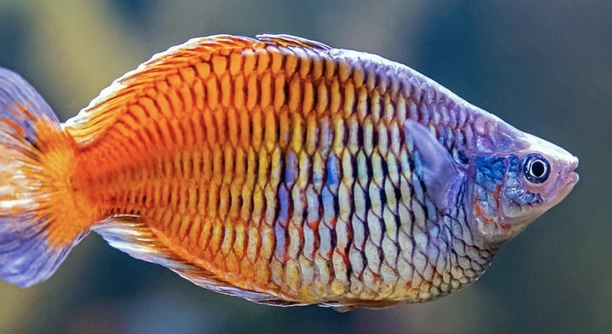
Rainbow fish and barbs are both popular choices for aquarium enthusiasts. However, knowing how they interact in a shared environment is crucial to ensuring a harmonious tank. This article explores whether these two species can coexist peacefully.
Rainbow fish can be kept with barbs, but compatibility depends on the specific species and the tank’s environment. Some barbs may exhibit aggressive behavior, which could stress or harm rainbow fish, so careful consideration is necessary when housing them together.
Understanding the dynamics between these fish will help you maintain a peaceful and thriving aquarium. Knowing their specific needs and behaviors ensures a healthy environment for both species.
Rainbow Fish and Barbs: Compatibility Factors
When considering keeping rainbow fish with barbs, it’s important to look at their behavior and environmental needs. Rainbow fish are generally peaceful, while some barbs can be quite aggressive. The temperament of the specific species of barb plays a significant role in their compatibility. Species like the tiger barb are known for their nipping tendencies, which can be stressful for the calmer rainbow fish. However, certain barb species, like the cherry barb, tend to be less aggressive and can coexist peacefully with rainbow fish. To ensure a smooth tank environment, both fish types should have plenty of space to reduce territorial disputes.
In addition to species temperament, tank size is also crucial. A larger tank provides enough room for both fish to avoid each other when needed. A tank with plenty of plants and hiding spots can further reduce stress, as both species appreciate having places to retreat.
With proper planning, both rainbow fish and barbs can thrive together in the same tank. Choosing compatible species and offering a well-structured environment reduces the chances of conflict, allowing both types of fish to flourish. The key is ensuring their needs are met, from water conditions to tank space.
Key Considerations for Tank Setup
When setting up a tank for rainbow fish and barbs, water parameters like temperature and pH need to be kept in check. Both species do well in similar conditions, typically preferring temperatures between 74°F and 80°F.
The water quality should be consistently high, with regular filtration and water changes. Regularly check for any signs of stress or illness.
Tank Size and Space
A larger tank gives both rainbow fish and barbs room to move and establish territories. Smaller tanks can lead to overcrowding and stress, which can trigger aggressive behavior in barbs. A 30-gallon tank is a good starting point, as it allows enough space for each fish to find its own area.
In addition to size, it’s important to consider the layout of the tank. Plenty of plants and decorations can help both species feel secure. Fish need areas to hide or swim through to avoid direct contact, which can reduce stress levels. These structures mimic natural environments and give both fish a sense of comfort.
Both species are active swimmers and need room to explore. Overcrowding can cause territorial issues and disrupt the peaceful balance you aim to achieve. A spacious setup promotes healthy behavior and minimizes conflicts, allowing rainbow fish and barbs to coexist peacefully.
Water Conditions
Rainbow fish and barbs share similar water condition preferences. Both do well in slightly acidic to neutral water, typically with a pH between 6.5 and 7.5. Temperature is another key factor. These species thrive in warm water, ideally between 74°F and 80°F, and it’s crucial to keep the temperature consistent.
Maintaining good water quality is essential for their health. Regular water changes help remove waste, preventing harmful buildups that can stress both species. A good filtration system is also necessary to keep the water clean and oxygenated. Fish exposed to poor water conditions are more susceptible to illness and stress, which can worsen any compatibility issues.
Fish Behavior and Temperament
Barbs are known for their energetic and sometimes aggressive behavior. This can be a challenge when trying to keep them with rainbow fish, which are much calmer. However, choosing peaceful barb species, like the cherry barb, helps avoid conflict.
Rainbow fish, on the other hand, are generally non-aggressive and do best in a calm tank environment. Their behavior can be influenced by their tankmates, so the presence of more aggressive barbs can cause stress. Observing their interactions is key to ensuring a peaceful setup.
Feeding Habits
Both rainbow fish and barbs are omnivores, but their feeding habits can vary slightly. Barbs are often more assertive during feeding time and may compete for food with rainbow fish. To avoid this, provide plenty of food at different spots in the tank.
It’s important to offer a varied diet, including both plant and animal matter, to meet the nutritional needs of both species. Offering a mix of flakes, pellets, and live food ensures both fish get the nutrients they require. Overfeeding should be avoided, as excess food can pollute the tank.
Tankmates
Choosing other tankmates for rainbow fish and barbs requires careful thought. Avoid aggressive species that could stress the more peaceful rainbow fish. Smaller, non-aggressive species, such as catfish or smaller tetras, make ideal tankmates for both.
Barbs tend to do better with other active species that don’t easily get intimidated. Keeping peaceful species with rainbow fish and barbs helps maintain a balanced and harmonious aquarium. Choosing the right companions ensures your fish are comfortable and content in their environment.
FAQ
Can I keep multiple species of barbs with rainbow fish?
Yes, it’s possible to keep multiple species of barbs with rainbow fish, but compatibility depends on the type of barbs. Species like cherry barbs, which are more peaceful, tend to get along better with rainbow fish. However, more aggressive species, like tiger barbs, may stress or harm the rainbow fish. It’s important to monitor their behavior and ensure there’s enough space and hiding spots in the tank to reduce potential conflicts.
What size tank is best for rainbow fish and barbs?
A tank that holds at least 30 gallons is ideal for housing rainbow fish and barbs together. This provides enough room for each species to establish its own territory and reduces the risk of aggression. The more space available, the less likely it is that the fish will feel crowded or stressed, which can lead to conflict. Larger tanks also allow you to add other tankmates without overcrowding.
How do I prevent aggression between barbs and rainbow fish?
To prevent aggression, choose peaceful species of barbs, like cherry or pentazona barbs, as they are less likely to harass rainbow fish. Providing plenty of hiding places, plants, and decorations in the tank gives both species the opportunity to retreat and avoid confrontation. Additionally, ensure the tank is large enough to reduce territorial issues and monitor their interactions closely.
Do rainbow fish require special care when kept with barbs?
Rainbow fish are relatively low-maintenance but do benefit from a calm and stable environment. Keeping them with peaceful barbs can help reduce stress. However, if housed with aggressive barbs, rainbow fish might become skittish and may not thrive. Ensure that water conditions, such as temperature and pH, are kept stable to help maintain their health and comfort.
How often should I feed rainbow fish and barbs?
Both rainbow fish and barbs should be fed once or twice a day. Offer a balanced diet that includes both protein and plant-based foods. A variety of flakes, pellets, and occasional live or frozen foods like brine shrimp or daphnia will meet their nutritional needs. Overfeeding should be avoided as it can lead to poor water quality.
What water conditions do rainbow fish and barbs need?
Rainbow fish and barbs thrive in warm water with a temperature range of 74°F to 80°F. They prefer slightly acidic to neutral water, with a pH between 6.5 and 7.5. Consistent water quality is important, so regular water changes and filtration are necessary to maintain a healthy environment. It’s also vital to monitor ammonia, nitrite, and nitrate levels to ensure the water remains clean.
Are rainbow fish sensitive to changes in water conditions?
Yes, rainbow fish are sensitive to sudden changes in water conditions. This includes fluctuations in temperature, pH, and water hardness. Rapid shifts can cause stress or health problems. To keep rainbow fish healthy, make changes gradually, and ensure that water parameters remain stable. This helps them adapt better and thrive in the aquarium.
Can I keep rainbow fish with other peaceful fish?
Rainbow fish are peaceful and can be kept with other calm species. Tetras, catfish, and peaceful livebearers make good tankmates. It’s important to avoid aggressive or fin-nipping species, as they can stress the rainbow fish and affect their health. Providing plenty of space and hiding spots also helps to create a harmonious environment.
What is the best way to maintain water quality in a tank with rainbow fish and barbs?
Maintaining water quality is crucial for the health of rainbow fish and barbs. Regular water changes (about 25% every two weeks) are essential to remove waste and toxins. A reliable filtration system should be in place to keep the water clean and oxygenated. Test the water frequently to ensure ammonia, nitrites, and nitrates are within safe levels.
Can barbs and rainbow fish live together in a small tank?
It is possible but not ideal. A small tank, particularly one under 30 gallons, can cause overcrowding, increasing stress and the likelihood of aggression. Both rainbow fish and barbs need room to swim and establish their territories. A larger tank will reduce these issues and create a more stable environment for both species.
Final Thoughts
Keeping rainbow fish with barbs can work well if the right conditions are met. Both species are active and colorful, which makes them great additions to a community tank. However, their behavior can differ, with barbs sometimes being more aggressive than rainbow fish. Choosing peaceful barb species, like cherry barbs, and providing ample space in the tank can reduce the chance of conflict. Proper care, such as maintaining stable water conditions and ensuring enough hiding spots, is essential for ensuring both species thrive together.
It’s also important to monitor the behavior of your fish closely, especially during the first few weeks after introduction. Some barbs, like tiger barbs, can be more aggressive, which may cause stress to the rainbow fish. Watching how they interact will help you identify any signs of aggression early on. If needed, adding more plants and decorations can provide more hiding spots and reduce stress. Ensuring that the tank is large enough also helps keep both species comfortable. A well-planned tank setup can help keep aggression levels low, creating a peaceful and healthy environment for all the fish.
Ultimately, the success of keeping rainbow fish with barbs depends on making careful choices regarding species and tank conditions. A tank of the appropriate size with proper water quality, temperature, and a peaceful setup will go a long way in helping these two species coexist. By understanding their needs and behaviors, you can create a harmonious aquarium where both rainbow fish and barbs can live comfortably. With the right setup, you can enjoy the beauty of both species without worrying about aggression or stress.

Hello,
If you enjoy the content that we create, please consider saying a "Thank You!" by leaving a tip.
Every little bit helps us continue crafting quality advice that supports the health, happiness, and well-being of pets around the world, for pets of all shapes, sizes, and species.
We really appreciate the kindness and support that you show us!