
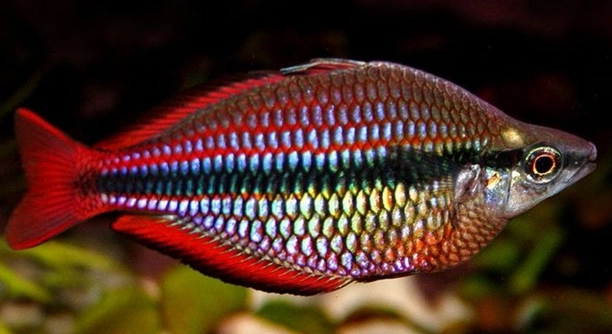
Many aquarium owners wonder about the best care practices for their fish. One topic that often comes up is how fish respond to changes in light cycles. This can affect their health and behavior in significant ways.
Rainbow fish are capable of adjusting to new light cycles, though the process may take time. Gradual changes are recommended to minimize stress, as abrupt shifts can disrupt their natural rhythm and affect their well-being.
Understanding how light influences the behavior of rainbow fish is key to maintaining a healthy environment for them. These adjustments can lead to more stable and happy fish in your aquarium.
How Light Affects Rainbow Fish Behavior
Rainbow fish, like many aquarium species, are sensitive to changes in their environment. Light plays a significant role in their daily routine, influencing their activity levels, feeding patterns, and even their reproduction cycles. When their light cycles shift, even slightly, it can have an impact on how they interact with their surroundings. For example, rainbow fish are naturally accustomed to a cycle of day and night, which helps regulate their internal clocks. If this cycle is disrupted, it could lead to stress and changes in behavior, such as less feeding or an increase in territorial aggression.
Fish that are exposed to erratic lighting may also display signs of disorientation, which can affect their overall health. Stress from improper light cycles can weaken their immune systems, making them more vulnerable to disease. This is why it’s essential to maintain consistent light cycles to keep them healthy and comfortable in their tanks.
Consistency is key for the well-being of your fish. Keeping the light schedule regular helps avoid any sudden changes that could cause undue stress.
Best Practices for Adjusting Light Cycles
When altering the light cycle for rainbow fish, slow and gradual changes are highly recommended. Sudden changes in lighting can disorient them, causing unnecessary stress. This is particularly true for fish that are used to a stable environment. Start by adjusting the light duration by 15 to 30 minutes each day, instead of making large changes all at once. Over the course of a few days or weeks, this gradual shift will give the fish time to adapt without experiencing too much strain.
Keeping their light cycle in sync with their natural environment can also encourage healthy behaviors like more active swimming and better feeding responses. Setting up an automatic timer for the aquarium lights can help ensure consistent light levels, which can be beneficial in the long term for their health.
With careful consideration and gradual adjustments, your rainbow fish can thrive under new lighting conditions.
Effects of Too Much Light on Rainbow Fish
Too much light can cause stress for rainbow fish, disrupting their daily rhythm. Overexposure to light can lead to increased aggression, anxiety, and an overall lack of well-being. Prolonged periods of intense light can also affect their immune system, making them more susceptible to diseases.
Fish that experience excessive lighting may struggle with proper sleep, leading to sleep deprivation. This can cause disorientation and even reduced appetite. The balance between day and night is crucial for them to maintain healthy activity levels. It’s important to observe your fish and ensure the light duration and intensity are appropriate for their needs.
If your rainbow fish seem more active during rest periods or show signs of irritation, it may be a sign that the lighting is too harsh. Adjusting the light intensity or shortening the lighting period can help bring them back to a more comfortable state.
Maintaining a Balanced Light Schedule
A balanced light schedule helps rainbow fish maintain their health and natural behaviors. A consistent 10 to 12-hour light period works well for most aquariums. Too much light can cause algae growth, which can lead to poor water quality. Additionally, too little light can result in sluggish behavior and hinder their feeding habits.
To keep things in balance, it’s essential to use a reliable timer. A timer can ensure that the lights turn on and off at the same time each day. This predictability helps fish adjust and thrive in their environment. Additionally, placing the tank in a location where it’s not exposed to too much natural sunlight can help maintain the light cycle.
In the long run, finding the right light duration and intensity will allow rainbow fish to have a stable, healthy habitat.
How to Recognize Light-Related Stress in Rainbow Fish
Rainbow fish can show signs of stress when the lighting is too intense or inconsistent. Some common indicators include erratic swimming patterns, a decrease in feeding, or hiding more than usual. Their colors may also appear dull or faded.
If your fish are showing any of these signs, it could be a result of a disrupted light cycle. It’s important to adjust the lighting gradually and monitor your fish closely for any changes in behavior. A calm, predictable light schedule can help reduce their stress levels and encourage a healthier environment.
Adjusting Light Duration for Healthier Fish
Rainbow fish need a balanced light duration to stay healthy. Most do well with around 10 to 12 hours of light each day. Too much light can stress them, while too little can cause lethargy and poor appetite. Maintaining a consistent cycle helps keep their internal clocks in sync.
Changing the light duration too quickly can lead to more stress. To prevent this, make small adjustments, extending or shortening the light period by 15-30 minutes each day until you reach the desired schedule. Using a timer can make it easier to maintain consistency.
The Role of Natural Light in Fish Tanks
Natural light can play a role in the lighting cycle, but it needs to be carefully managed. Direct sunlight can cause fluctuations in tank temperature, which stresses fish and encourages algae growth. A good rule of thumb is to limit direct sunlight exposure.
To control the effects of natural light, place the tank in a spot where it gets indirect sunlight. This helps maintain a consistent environment without fluctuating temperatures or excess light. This balance will keep your rainbow fish feeling safe and secure.
FAQ
How long does it take for rainbow fish to adjust to new light cycles?
The adjustment period can vary depending on the fish and the changes being made. Generally, it can take anywhere from a few days to a week for rainbow fish to adapt to a new light cycle. If the changes are gradual, they will have an easier time adjusting. It’s essential to monitor their behavior during this period. If they seem stressed, you can slow down the adjustments and give them more time to acclimate. Keeping the light duration consistent and not making large changes will reduce the chance of prolonged stress.
Can I change the light cycle abruptly for rainbow fish?
It’s best to avoid abrupt changes in the light cycle for rainbow fish. Sudden shifts in lighting can lead to stress and disrupt their internal biological rhythms. Their daily patterns, like feeding, swimming, and resting, are closely tied to the light schedule. A sudden change could cause confusion or make them less active. If you need to adjust the light cycle, do so gradually over several days or weeks. This allows your fish to adapt without being overwhelmed by the change.
What are the signs of stress in rainbow fish from lighting issues?
Rainbow fish stressed by lighting issues may show a variety of signs. Common indicators include erratic swimming behavior, hiding more than usual, reduced appetite, and faded or dull colors. They may also become more aggressive or show less interest in interacting with other fish. If you notice any of these signs, check the lighting schedule and intensity. It could be a sign that they need more or less light, or that the cycle is too erratic. Adjusting the light gradually can help alleviate these symptoms.
How can I tell if my rainbow fish are getting too much light?
If your rainbow fish are receiving too much light, they may show signs like excessive aggression, rapid swimming, or hiding. Overexposure to light can also lead to physical issues like faded colors and decreased immune function. Additionally, if you notice an increase in algae growth in your tank, it may be a sign that the light is too strong or too long. Keeping the light duration around 10 to 12 hours a day is generally ideal. If the tank is overly bright, consider reducing the light intensity or shortening the light duration.
Can I use natural sunlight for rainbow fish lighting?
While natural sunlight can help provide some light for your tank, it’s essential to be cautious. Direct sunlight can cause the tank’s temperature to rise too quickly, which can be stressful for your rainbow fish. It can also lead to algae blooms, which affect water quality. Instead, aim for indirect sunlight or keep the tank in a location where it doesn’t receive direct sunlight throughout the day. If you want to use natural light, make sure it’s balanced with artificial lighting to maintain a consistent and safe environment.
Is it necessary to have an automatic timer for the lights?
Using an automatic timer for your tank’s lighting is highly recommended. It helps maintain a consistent light cycle, which is crucial for the well-being of your rainbow fish. A timer ensures that the lights turn on and off at the same time every day, reducing any stress from unpredictable lighting. This consistency helps regulate their internal clocks and supports their natural behaviors. Additionally, timers can help prevent you from forgetting to turn the lights off, which could lead to overexposure.
How much light do rainbow fish need?
Rainbow fish generally thrive with about 10 to 12 hours of light per day. Too much light can lead to stress, while too little can cause lethargy and poor feeding behavior. The key is consistency. Keeping the light period stable ensures that your fish have a predictable routine. Over time, you can adjust the light duration based on your specific tank setup or the needs of the fish. If the fish are more active and showing good coloration, you’re likely providing the right amount of light.
Should I use LED lights for my aquarium?
LED lights are an excellent option for aquariums, including for rainbow fish. They are energy-efficient, provide the right spectrum of light, and can be adjusted for intensity. LED lights also don’t emit much heat, which helps prevent temperature fluctuations in the tank. Many LED lights come with timers and dimming features, allowing you to control the light cycle easily. Just ensure the intensity of the LED lights is not too high, as it could stress your fish or encourage excess algae growth.
Can changing the light cycle affect rainbow fish breeding?
Yes, changes in the light cycle can influence rainbow fish breeding. These fish often use natural light cycles as cues for their breeding seasons. If their light cycle is disrupted, it may interfere with their reproductive behavior. For example, if the light duration is too short or inconsistent, they may not breed at all. To encourage healthy breeding, it’s important to maintain a consistent light cycle. Some aquarists also simulate seasonal changes by gradually adjusting the light duration to mimic natural conditions.
How can I prevent algae growth due to lighting?
Algae growth is commonly linked to excessive lighting, especially when the tank receives too much light for extended periods. To prevent this, make sure the light cycle isn’t longer than 10 to 12 hours a day. Also, consider using lights with lower intensity or keeping the tank away from direct sunlight. Regular maintenance, such as cleaning the tank and performing water changes, will also help control algae. If algae growth is still a problem, reducing the light or using algae-eating fish can help keep things in balance.
Final Thoughts
Adjusting the light cycle for rainbow fish is an important aspect of maintaining a healthy aquarium. Rainbow fish are sensitive to changes in their environment, and their light cycle plays a crucial role in their behavior and overall well-being. A stable and consistent light schedule helps to keep their natural rhythms intact, encouraging healthy feeding, swimming, and social interactions. It also reduces the risk of stress, which can negatively impact their immune system and make them more vulnerable to diseases. By following the right practices, you can ensure that your rainbow fish remain happy and healthy in their tank.
When adjusting the light cycle, it’s important to make changes gradually. Sudden shifts in lighting can cause confusion and stress for rainbow fish, disrupting their routine and making them more anxious. It’s best to adjust the lighting duration by small increments over several days or weeks, allowing the fish time to adapt. Using an automatic timer can help maintain consistency and prevent any accidental disruptions in the light cycle. A well-regulated light schedule provides stability, helping your fish stay in sync with their natural environment. With this consistency, they will be better equipped to thrive.
Finally, always pay attention to the signs your rainbow fish are giving you. If they seem stressed or show unusual behavior, it could be due to an issue with the lighting. Things like erratic swimming, hiding, or a decrease in appetite are red flags. Adjusting the light cycle may help alleviate these issues and restore balance to their environment. Understanding their needs and responding to changes in behavior will help you create the best possible habitat for your fish. With the right care, your rainbow fish can adjust to new lighting conditions and continue to thrive in your aquarium.

Hello,
If you enjoy the content that we create, please consider saying a "Thank You!" by leaving a tip.
Every little bit helps us continue crafting quality advice that supports the health, happiness, and well-being of pets around the world, for pets of all shapes, sizes, and species.
We really appreciate the kindness and support that you show us!