
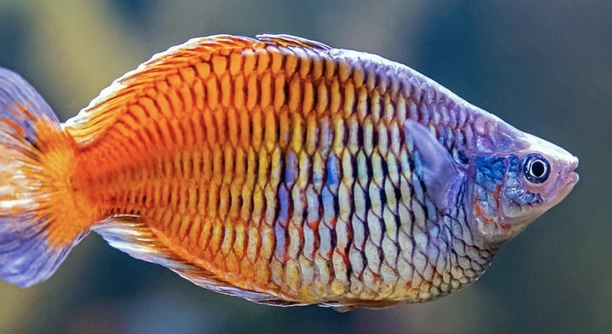
Have you ever added new fish to your aquarium and noticed your rainbow fish acting differently or swimming more cautiously than usual?
Rainbow fish can adapt to new tankmates, but the process depends on tank size, temperament compatibility, and environmental stability. Introducing new species gradually and monitoring interactions closely increases the chances of peaceful coexistence and reduces territorial behavior.
Learning how to introduce new fish properly can make a big difference in your rainbow fish’s comfort and overall tank harmony.
Rainbow Fish Behavior Around New Tankmates
Rainbow fish are generally peaceful but can become territorial if introduced to unfamiliar species too quickly. When they feel threatened or stressed, they may display fin-nipping or chasing behavior. This usually happens when the tank is overcrowded, or when aggressive fish are added without considering compatibility. Rainbow fish tend to do best with other peaceful, fast-swimming fish of similar size. Shoaling species like tetras or rasboras often make good companions. It’s also important to ensure the tank has enough hiding spaces and open swimming areas. Providing stable water parameters and a calm environment helps reduce stress and encourages social interaction. Introducing new fish during feeding time or rearranging decorations beforehand can also minimize territorial instincts. Rainbow fish rely on a predictable routine, so changes should be made slowly. When done correctly, rainbow fish can share their tank without major issues, adapting smoothly to new additions over time.
Sometimes, rainbow fish may hide more or eat less when new fish are added. This reaction often fades once they feel secure again.
A consistent routine, good water quality, and thoughtful tankmate selection are key to helping rainbow fish adjust. Avoid adding fish that nip fins or compete aggressively for food and space.
Creating a Peaceful Tank Setup
The right environment makes all the difference when introducing new fish to rainbow fish.
Start by checking the tank size. A larger tank allows for more territories and swimming space, which reduces the chance of stress and conflict. Use plants, rocks, or driftwood to break up sightlines and provide hiding spots. This makes rainbow fish feel safer and less likely to become aggressive. Keep the lighting moderate and maintain a stable temperature between 74–78°F. Introduce new tankmates during the day when you can monitor behavior. Feed the tank right after introducing new fish to create a positive association. Quarantine new arrivals for at least two weeks before adding them to the main tank. This prevents the spread of diseases and gives you time to observe their temperament. Avoid adding too many fish at once. Gradual changes help rainbow fish adjust without feeling overwhelmed. With proper planning, a peaceful tank community is achievable.
Monitoring Behavior After New Additions
Watch how your rainbow fish react during the first few hours after introducing new tankmates. Look for signs of stress like hiding, rapid gill movement, or refusal to eat. Early signs can help prevent long-term issues.
Keep the lights dim and reduce noise around the tank during this adjustment phase. Feed smaller amounts more frequently to prevent competition. If you notice one fish being singled out or chased constantly, consider using a breeder box or divider temporarily. Rainbow fish may test boundaries, but persistent aggression means the tank setup or fish mix needs adjusting. Sometimes, changing the tank layout can break territorial patterns and help ease tension. When monitoring behavior, focus on patterns over time rather than isolated incidents. Daily checks for fin damage or hiding will help you catch problems early. Give your fish time, and be patient with the process.
Even after the initial adjustment period, keep watching their interactions closely. Over time, aggression may reduce as the fish establish a stable social structure. Adding enrichment like floating plants or adjusting current flow can also improve their comfort. If conflict continues beyond two weeks, the new tankmates may not be a good match for your rainbow fish.
Choosing Compatible Tankmates
Stick to peaceful, fast-swimming fish that won’t provoke or intimidate rainbow fish. Avoid slow-moving species with long fins, as they can attract unwanted attention. Fish with similar activity levels tend to do better together.
Good options include rasboras, danios, corydoras, and most types of tetras. These species usually don’t show territorial behavior and are less likely to trigger stress. Avoid aggressive fish like cichlids or fin-nippers such as tiger barbs. Bottom-dwellers like kuhli loaches or bristlenose plecos are also useful, as they occupy different parts of the tank and help maintain cleanliness. Before introducing any new species, research their adult size, diet, and space needs. Compatibility isn’t just about behavior—it also depends on water parameters and available space. A community tank setup works best when all species have overlapping care requirements and room to spread out comfortably. Compatibility helps reduce stress and builds a balanced, calm environment.
Feeding and Tankmate Dynamics
Feed rainbow fish and their tankmates at the same time but in separate areas of the tank to reduce competition. Use floating flakes or small pellets for rainbow fish and sinking food for bottom-dwellers.
Watch how quickly each species eats. If some fish are being outcompeted, try target feeding using a pipette or feeding ring. Balanced feeding habits help prevent stress and health issues.
Tank Maintenance During Adjustment
Keep the water clean and parameters stable during the transition. Perform partial water changes twice a week if needed, and test ammonia, nitrite, and nitrate levels regularly. Stress can lower immunity, so clean water is important during this time.
When It’s Not Working
If aggression continues or fish show constant stress, consider rehoming one of the species. A peaceful tank is better than forcing incompatible fish to coexist.
FAQ
Can rainbow fish live with slower-moving fish like guppies or bettas?
Rainbow fish can be too active for slower fish like guppies or bettas. Their quick movements may stress more passive species, especially those with long fins. Bettas, in particular, may misinterpret the activity as a threat and act aggressively in response. Guppies may also struggle to compete for food. If kept together, make sure the tank is large, has plenty of hiding areas, and food is distributed evenly. While some hobbyists have made this combination work, it depends on individual fish temperament, tank size, and how well the tank is structured for separation.
How many rainbow fish should be kept together?
Rainbow fish are shoaling fish and should be kept in groups of at least six. Being in a group helps them feel secure and encourages natural behavior. When kept alone or in very small numbers, they can become skittish or show signs of stress. A larger group also spreads out any minor chasing behavior, making it less likely for one fish to be singled out. A group of six to ten rainbow fish in a spacious tank helps create a peaceful environment and brings out their best colors and behavior.
Can rainbow fish get along with bottom-dwellers?
Yes, rainbow fish generally get along well with bottom-dwelling species like corydoras, kuhli loaches, and plecos. These fish stay out of the rainbow fish’s main swimming areas and rarely compete for space or food. Make sure bottom-dwellers have plenty of shaded hiding spots and are fed sinking foods to avoid conflict. Because rainbow fish occupy the middle and top levels of the tank, this type of setup helps maintain harmony. Just be sure that water parameters meet the needs of both species and that the tank is large enough to give everyone enough room.
Do rainbow fish become aggressive during feeding?
Rainbow fish can become more active during feeding, especially in a mixed-species tank. While not typically aggressive, they can unintentionally dominate the food, leaving slower or more timid fish without enough. Feeding in separate zones or using floating and sinking foods helps reduce this issue. If some fish are missing meals, try feeding multiple small portions in different parts of the tank. This method helps ensure everyone gets enough and reduces competition. Observing how your fish behave during meals is a good way to catch feeding-related problems early.
Is it better to introduce rainbow fish before or after other species?
In most cases, it’s better to introduce more peaceful or shy species first, then add rainbow fish later. This gives the quieter fish a chance to settle and claim hiding spots before more active fish are introduced. If rainbow fish are added first, they may view the entire tank as their territory, making it harder for new arrivals to adjust. When rainbow fish are added second, they tend to explore without immediately seeing the tank as their own. This approach helps reduce territorial behavior and makes it easier for new tankmates to settle in peacefully.
Do rainbow fish show dominance within their own group?
Yes, rainbow fish often display mild dominance behaviors within their group, such as chasing or flaring fins. These behaviors are usually harmless and part of establishing a social structure. As long as there’s no fin damage or constant aggression, it’s nothing to worry about. Having a group of six or more spreads out these interactions and prevents any one fish from being targeted. Males may compete more during breeding season, especially if there are fewer females, but this is normal and usually settles without intervention. Providing plenty of space helps reduce tension.
What should I do if rainbow fish keep chasing a new tankmate?
If the chasing is light and occasional, monitor the situation for a few days. Often, it will settle once the rainbow fish get used to the new addition. If the chasing is constant or leads to stress and injury, consider using a divider to give the new fish time to adjust in a protected area. Rearranging tank decorations can also help break up territories. In cases where chasing doesn’t stop after a week or two, the new fish may not be a good fit. Prioritizing the health and safety of all fish is important.
How long does it usually take rainbow fish to adjust to new tankmates?
Most rainbow fish adjust within one to two weeks if tank conditions are stable and the new additions are compatible. The first few days are usually the most active, with some exploring, chasing, or cautious behavior. During this time, keep a close eye on feeding and watch for signs of stress like hiding or skipping meals. If conditions are right and the tank is peaceful, rainbow fish often settle into a routine fairly quickly. Give them time and avoid making other changes during this period to reduce unnecessary stress.
Final Thoughts
Rainbow fish are generally adaptable and can live peacefully with a wide range of tankmates, but careful planning is important. Their active swimming style and fast movements can sometimes overwhelm slower or more timid fish. A well-structured tank with enough space, plants, and hiding areas helps reduce stress and gives each species room to move freely. Keeping rainbow fish in groups of at least six encourages more natural and less aggressive behavior. It also helps them feel safe and stay active. When matched with compatible species, rainbow fish can thrive in a peaceful and balanced community setup.
Introducing rainbow fish to a tank should always be done with attention to timing, tank dynamics, and the temperaments of both new and existing fish. If rainbow fish are already established in the tank, they may view newcomers as intruders. In that case, rearranging decorations or feeding them first can reduce the chance of aggression. If new tankmates are added carefully, and their needs match the environment already in place, the transition is usually smooth. Watching how fish interact in the first few days is important. Early signs of trouble, such as constant chasing or fin damage, should be addressed right away to prevent long-term issues.
In general, rainbow fish are a lively, colorful addition to a freshwater aquarium. They are social, curious, and active swimmers, which makes them fun to observe. While they can sometimes act territorial, especially when introduced to smaller or slower species, this can be managed with proper care. A spacious tank, a balanced feeding routine, and a thoughtful mix of species will go a long way in maintaining peace. As with any community tank, success comes from knowing your fish, giving them enough space, and being patient. Rainbow fish can live happily with others when their needs are respected and their environment is well-managed.

Hello,
If you enjoy the content that we create, please consider saying a "Thank You!" by leaving a tip.
Every little bit helps us continue crafting quality advice that supports the health, happiness, and well-being of pets around the world, for pets of all shapes, sizes, and species.
We really appreciate the kindness and support that you show us!