
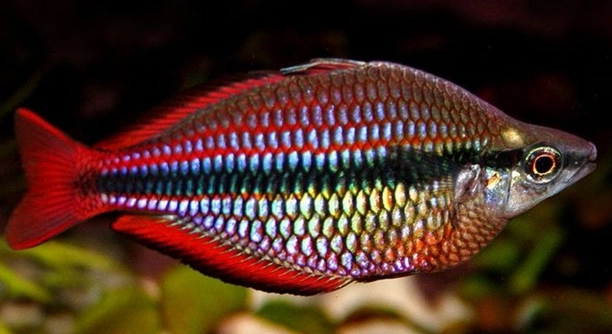
Rainbow fish are often admired for their colorful beauty and lively nature. However, many aquarium owners wonder how they might respond to new fish entering their tank. Could their behavior change with the addition of new companions?
Rainbow fish may exhibit territorial behaviors, especially when new fish are introduced to their environment. They might show aggression or jealousy toward newcomers, often competing for resources or space, particularly if they feel threatened by the presence of unfamiliar fish.
Understanding the causes behind their actions can help manage the situation and maintain harmony in the aquarium.
Understanding Rainbow Fish Behavior
Rainbow fish are social creatures, but they can be sensitive to changes in their environment, especially when new fish are introduced. These fish are known for their vibrant colors and active swimming patterns, but their temperament can vary. In the wild, rainbow fish typically live in schools and establish clear social structures. When new fish enter their territory, it disrupts the established hierarchy. This change can cause the rainbow fish to act possessively, showing territorial aggression. The level of aggression may depend on the species of rainbow fish and the type of new fish added.
This aggression can manifest in different ways, such as chasing, nipping, or blocking the new fish from certain areas of the tank. In smaller tanks, this behavior is more noticeable due to limited space, while larger tanks might provide enough room for fish to avoid direct conflict. Maintaining a balance in the aquarium environment can help reduce these tensions.
Keeping your aquarium well-maintained with plenty of hiding spots and plant cover allows both new and existing fish to find their space. It also provides opportunities for rainbow fish to establish their territories without feeling threatened by newcomers.
How to Minimize Jealousy
A stable tank setup can help ease the transition for both new and existing fish.
Creating a tank environment with sufficient space, proper water conditions, and multiple hiding spots can ease territorial tension. Additionally, introducing new fish slowly and monitoring interactions can allow rainbow fish to adjust without overwhelming them.
Territorial Behavior in Rainbow Fish
Rainbow fish can be highly territorial, especially during breeding seasons or when they feel their space is being invaded. When new fish are added to the tank, the rainbow fish may display signs of aggression, such as chasing or even nipping. These actions are often an attempt to establish dominance and protect their environment.
Providing plenty of hiding spots, such as rocks or plants, can help reduce territorial conflicts. If rainbow fish feel they have a space to call their own, they are less likely to become aggressive toward newcomers. It’s also important to avoid overcrowding the tank. A well-spaced environment with enough resources will give each fish a chance to claim its territory.
In addition, rearranging the tank after introducing new fish can confuse the established fish, making them less likely to defend specific areas. This simple tactic can help reduce aggression by preventing rainbow fish from forming immediate territorial claims. The goal is to ensure that every fish has enough space to thrive.
Introducing New Fish Slowly
Slowly introducing new fish allows existing rainbow fish to adjust gradually.
The process of acclimating rainbow fish to newcomers can take several days. Start by placing the new fish in a quarantine tank for a short period, observing their health and behavior. This precaution can also help prevent any diseases from spreading to the main tank. After the quarantine period, slowly introduce the new fish by floating the bag in the tank to adjust the water temperature. Gradually release them into the tank once the fish show signs of being ready. This method reduces stress for both the new fish and the existing rainbow fish.
Tank Size and Space Allocation
Rainbow fish need ample space to feel secure. A tank that is too small can lead to increased stress, which may result in aggression. Ideally, a 30-gallon tank or larger is recommended for multiple rainbow fish, ensuring they have enough room to swim freely.
Larger tanks reduce the likelihood of territorial disputes. When there is more space, rainbow fish are less likely to feel confined and more likely to accept new fish. The tank should also include plenty of plants and decorations to create hiding spots, which give each fish its own space to retreat when needed.
Water Conditions and Quality
Maintaining optimal water conditions is key to minimizing stress in rainbow fish.
Stable water parameters, such as temperature, pH, and hardness, promote the overall health of all fish in the tank. Rainbow fish prefer slightly acidic to neutral water with temperatures between 72°F and 78°F. Poor water quality can trigger aggression, so regular water changes are essential. Proper filtration ensures the water stays clean and oxygen-rich, creating a more comfortable environment for all inhabitants.
Fish Compatibility
Choosing compatible fish is crucial when introducing new tankmates.
Rainbow fish tend to do well with other peaceful fish that won’t compete for the same resources or territory. Avoid mixing them with overly aggressive or fin-nipping species, as this can cause stress and provoke jealousy. Select fish that share similar water requirements and behavioral characteristics.
FAQ
Do rainbow fish get jealous of other fish?
Rainbow fish can show signs of jealousy when new fish are introduced into their environment. This often manifests as territorial aggression or stress. Their reaction is mostly due to their instinctual need to establish a territory and protect resources, especially if they feel their environment is being disrupted.
How can I tell if my rainbow fish is stressed?
Stressed rainbow fish often display behavior such as hiding more than usual, loss of color, or erratic swimming. They may also become more aggressive or withdrawn. Changes in their eating habits, such as refusing food, are another sign of stress. It’s important to assess water quality, tank mates, and other environmental factors to determine the cause.
How do I reduce territorial aggression in rainbow fish?
To reduce territorial aggression, provide enough space in the tank, including hiding spots and decorations. A larger tank with multiple plants or rocks gives each fish its own territory. Rearranging the tank after introducing new fish can also help disperse territorial claims, reducing aggression.
Can rainbow fish live with other types of fish?
Rainbow fish are generally peaceful and do well with other non-aggressive species. They thrive in community tanks with similar-sized fish that share similar water requirements. However, it’s important to avoid aggressive or overly competitive species that could trigger stress or territorial behavior.
What’s the best tank size for rainbow fish?
A minimum tank size of 30 gallons is recommended for a small group of rainbow fish. Larger tanks provide more space, reducing stress and territorial disputes. The more room your rainbow fish have, the less likely they are to become aggressive toward new fish or their tank mates.
Can rainbow fish live in smaller tanks?
While rainbow fish can technically live in smaller tanks, they are much better off in larger environments. Small tanks can lead to overcrowding, which may cause stress and territorial behavior. A larger tank allows for better water quality and more room for fish to swim and establish their own territories.
Do rainbow fish need a school of other fish?
Rainbow fish are social creatures that prefer to live in schools of at least five or six individuals. Being in a group helps reduce stress, as it mimics their natural environment. If they are kept alone or in too small a group, they may become more stressed and less active.
What type of water is best for rainbow fish?
Rainbow fish thrive in slightly acidic to neutral water with a pH of 6.5 to 7.5. They also prefer water temperatures between 72°F and 78°F. It’s essential to maintain stable water conditions, as rapid fluctuations can cause stress and lead to health problems.
How do I introduce new fish without causing jealousy in my rainbow fish?
To minimize jealousy and aggression when introducing new fish, do so slowly. Use a quarantine tank to monitor the new fish before introducing them to the main tank. Gradually acclimate the new fish by floating the bag in the tank and then releasing them. Adding new fish in smaller groups can also help ease the transition for rainbow fish.
What fish can be kept with rainbow fish?
Rainbow fish get along well with peaceful fish that share similar water conditions. Suitable tank mates include tetras, gouramis, danios, and peaceful cichlids. Avoid aggressive species, such as large predatory fish or fin-nippers, as they can stress out the rainbow fish and lead to aggression.
How do I know if my rainbow fish are breeding?
When rainbow fish are breeding, males often become more colorful, especially during the breeding season. You may notice increased chasing and courtship behavior, with males displaying brighter colors to attract females. Females may appear fuller, especially if they are carrying eggs. A separate breeding tank can be useful if you want to ensure the eggs are protected.
Can rainbow fish live with bettas?
Rainbow fish are generally peaceful, but bettas can be aggressive, especially toward other males or species with long fins. It’s possible to keep rainbow fish with bettas in larger tanks where there is enough space for each fish to establish its own territory. However, careful monitoring is necessary to ensure there is no aggression between the species.
What should I feed my rainbow fish?
Rainbow fish are omnivores and require a varied diet. High-quality flake or pellet food, supplemented with live or frozen foods such as brine shrimp, daphnia, and bloodworms, provides balanced nutrition. Offering a mix of plant-based foods, such as spirulina, and protein sources ensures your rainbow fish stay healthy.
Do rainbow fish need a filter?
Yes, rainbow fish require a well-maintained filtration system. A filter helps maintain water quality by removing waste, debris, and excess food. It’s essential to choose a filter appropriate for the tank size to ensure proper water circulation and oxygenation, both of which are vital for rainbow fish health.
How can I keep my rainbow fish healthy?
To maintain the health of rainbow fish, ensure stable water conditions, proper filtration, and a balanced diet. Regular water changes and monitoring for signs of stress or illness are important. Providing a suitable tank environment with plenty of hiding spots and tank mates that are not aggressive also contributes to their well-being.
Final Thoughts
Rainbow fish can experience jealousy when new fish are introduced, but their behavior largely depends on factors like tank size, water quality, and the overall environment. Territorial aggression is a common response, as rainbow fish naturally establish and defend their territories. To reduce this, ensure there’s enough space in the tank, as well as hiding spots to give each fish its own space. Providing a well-maintained and spacious tank can minimize conflicts, as rainbow fish are less likely to feel threatened or overcrowded.
Introducing new fish slowly can also help ease any potential jealousy or aggression. This process allows the established fish to adjust without feeling threatened by newcomers. By acclimating new fish properly and keeping water conditions stable, you can reduce stress for both the rainbow fish and the new arrivals. Avoid overcrowding the tank and make sure all fish have access to food and space. This ensures a smoother transition when adding new tankmates.
Ultimately, understanding rainbow fish behavior and addressing their territorial needs will create a healthier, more peaceful environment. Rainbow fish are generally peaceful and do well with compatible tank mates, but stress or territorial disputes can lead to jealousy and aggression. By providing proper care, creating a suitable environment, and introducing new fish carefully, you can ensure the well-being of all your fish and reduce potential conflicts. The key is to maintain balance, monitor the fish’s behavior, and make adjustments to the tank as needed.

Hello,
If you enjoy the content that we create, please consider saying a "Thank You!" by leaving a tip.
Every little bit helps us continue crafting quality advice that supports the health, happiness, and well-being of pets around the world, for pets of all shapes, sizes, and species.
We really appreciate the kindness and support that you show us!