
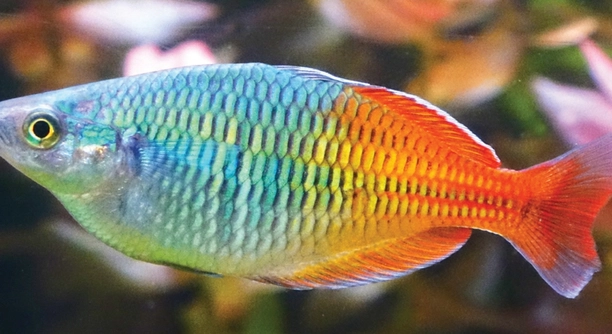
Rainbow fish are vibrant and popular in aquariums. They often live in schools, and their behavior in large groups can vary. Understanding their social dynamics is key to managing them in a larger community setting.
Rainbow fish can exhibit dominant behaviors in large groups, especially when there is competition for resources. Males tend to display more dominant traits, especially during mating seasons. However, their dominance is typically balanced by the presence of numerous individuals in the group.
By understanding these dynamics, you’ll gain insight into how to manage a healthy and harmonious aquarium environment for your rainbow fish.
Why Do Rainbow Fish Display Dominant Behaviors in Large Groups?
Rainbow fish are known for their peaceful nature, but in large groups, they can exhibit some surprising behaviors. These fish often show dominance to establish a hierarchy. Males, in particular, compete for attention from females, which can lead to displays of aggression. This can involve chasing or nipping at one another to establish control. In a larger school, these actions are generally not harmful, as there is enough space for everyone to find their place.
When you have a good number of rainbow fish in the tank, the behaviors tend to balance out. The presence of many individuals spreads the focus of dominance, preventing any one fish from becoming overly aggressive. They may still engage in dominance displays, but they are less intense compared to when there are fewer fish. Keeping a balance of males and females can also help reduce overly dominant behavior.
The dynamics of these fish can shift depending on the environment. If there are insufficient hiding spots or space, the dominance can become more pronounced. But with a proper setup, your rainbow fish can coexist peacefully while still expressing their natural instincts.
What Role Does Space Play in Managing Dominance?
Space plays a crucial role in maintaining peace among rainbow fish. Crowded tanks often see more aggressive behavior, which is why it’s essential to ensure plenty of room.
A larger tank allows each fish to establish its space and reduces conflict. When fish feel cornered or threatened, dominance is more likely to emerge.
The Role of Mating Seasons in Dominant Behavior
During mating seasons, males become more territorial and dominant. They may display vibrant colors and engage in behaviors to attract females. This season encourages competition between males, with more aggressive interactions taking place. These behaviors often involve chasing and showing off to gain attention, especially from females that are ready to mate.
While these displays are typical, it’s important to recognize that they do not usually lead to lasting harm. As mating season ends, the aggression typically decreases, and the group returns to a more peaceful state. However, in smaller groups or tanks, males may continue to assert dominance for longer periods. This is why it’s beneficial to have multiple males and females in the tank, as it can help balance the dominance displays.
Setting up a tank with a variety of plants and decorations can also create hiding spaces where fish can retreat when they feel overwhelmed. This helps to reduce the intensity of any aggressive behavior, keeping the environment calm for all the fish.
How the Presence of Other Fish Affects Rainbow Fish
Rainbow fish are social creatures, but their behavior can be influenced by the presence of other species. In a tank with other peaceful species, rainbow fish tend to be more relaxed. They often interact with other fish, showing little to no aggressive tendencies.
However, the presence of more aggressive fish can bring out competitive behavior in rainbow fish. They may try to assert their dominance, especially if the other fish are challenging them for resources or space. Ensuring that all tank mates are compatible can minimize unnecessary stress, allowing the rainbow fish to display their natural social behaviors without the need for aggression.
How Tank Size Affects Dominant Behavior
A larger tank provides more space for rainbow fish, reducing the need for dominance displays. When they have room to swim freely, they are less likely to engage in territorial behaviors. This is essential for maintaining harmony within the group.
In smaller tanks, the lack of space leads to more competition for resources. This can increase aggression and territoriality, causing stress among the fish. It’s important to ensure that there is enough room for each fish to feel secure, preventing dominance issues.
Social Hierarchy Among Rainbow Fish
Rainbow fish establish a social hierarchy, which helps reduce constant conflict. Dominant males often take the lead in mating opportunities, while less dominant fish settle into their positions within the group. Understanding these dynamics helps maintain a peaceful environment.
The hierarchy usually ensures that no single fish is overly aggressive. When a balance is struck, fish coexist with minimal conflict, even during breeding seasons. Knowing how to manage the social structure can prevent unnecessary stress in your tank.
How Lighting Affects Behavior
Lighting can influence how rainbow fish behave in a tank. Bright, harsh lighting may cause stress, leading to more aggressive interactions. Soft, natural lighting encourages calm behavior and allows fish to display their true, vibrant colors.
FAQ
Do rainbow fish get along with each other in large groups?
Yes, rainbow fish generally get along well in larger groups. When kept in a school, their social behavior is more balanced, and dominance displays tend to be less intense. The presence of many fish helps distribute any aggressive tendencies, making it easier for them to coexist peacefully. However, it’s important to monitor the tank for any signs of stress or aggression, particularly during mating seasons.
How many rainbow fish should be kept together?
Rainbow fish are best kept in schools of at least six individuals. A larger school allows the fish to feel more secure, as they are social creatures by nature. In smaller groups, they may feel stressed, leading to more dominant or aggressive behaviors. A school of six or more ensures that there’s enough space for each fish to establish its place within the group without constant conflict.
Can rainbow fish live with other species?
Rainbow fish can live with other peaceful species. They are generally non-aggressive and will coexist well with other community fish. It’s important to avoid housing them with overly territorial or aggressive species, as this can lead to stress and territorial disputes. Choosing compatible tank mates will help maintain a peaceful environment for all fish.
Do male rainbow fish fight for dominance?
Yes, male rainbow fish often fight for dominance, especially during mating seasons. They may display vibrant colors, chase one another, or even nip to establish their place in the hierarchy. These interactions are common and usually harmless, but in smaller tanks, they can become more intense. A larger tank with plenty of hiding spaces helps reduce these competitive behaviors.
How do I reduce aggression among rainbow fish?
To reduce aggression, provide plenty of space in the tank. A larger tank gives each fish more room to establish its own space. Adding plants and decorations creates hiding spots, which allow fish to retreat and avoid stressful situations. A balanced male-to-female ratio also helps minimize aggression, as it reduces competition for mates.
What is the best tank setup for rainbow fish?
Rainbow fish thrive in a well-planted tank with ample swimming space. A tank with plenty of plants, driftwood, and rocks will mimic their natural environment and provide hiding spots. Ensure the water is clean, well-filtered, and maintained at a stable temperature, typically between 72°F and 78°F. A soft, neutral pH is ideal for these fish.
How do I know if my rainbow fish is stressed?
Signs of stress in rainbow fish include erratic swimming, loss of color, hiding, and lack of appetite. If you notice these behaviors, check the water parameters to ensure they are within the proper range. Overcrowding, poor water quality, and incompatible tank mates can all contribute to stress in your rainbow fish.
Can rainbow fish breed in a community tank?
Yes, rainbow fish can breed in a community tank, though they may require some specific conditions. If you want to encourage breeding, provide plenty of hiding spots and plants for the fish to spawn in. Males will chase females during mating season, and once eggs are laid, they’ll need to be removed or protected from other fish, as they can be eaten. It’s important to ensure that the water quality is optimal for breeding.
Why do rainbow fish sometimes appear aggressive?
Rainbow fish may appear aggressive when they feel threatened or are establishing dominance. Males are especially likely to show aggression during mating seasons or when they’re competing for territory. However, their aggression is generally not dangerous, and it typically decreases once they’ve established their hierarchy. Ensuring the tank environment is spacious and stress-free can help reduce aggressive behaviors.
What water conditions do rainbow fish prefer?
Rainbow fish prefer clean, slightly acidic to neutral water with a temperature range of 72°F to 78°F. They thrive in water with a pH between 6.5 and 7.5. Regular water changes and a good filtration system are essential to keep their environment healthy. Rainbow fish are sensitive to poor water quality, so maintaining optimal conditions is crucial for their well-being.
Can rainbow fish live with other types of rainbow fish?
Yes, different species of rainbow fish can live together in the same tank, as long as they are not overly aggressive. They share similar care needs, including water temperature and pH levels, making them compatible. However, you should still ensure there’s enough space in the tank to accommodate multiple species without overcrowding.
Do rainbow fish need special lighting?
Rainbow fish do not require special lighting, but they do benefit from moderate to dim lighting. Too much bright light can cause stress, while softer lighting will help bring out their vibrant colors. Using a light cycle of 10-12 hours a day mimics natural conditions and keeps the fish healthy.
Final Thoughts
Rainbow fish are generally peaceful creatures that thrive in schools, especially when provided with a spacious tank. Their social behavior can reduce the tendency to be dominant, as they naturally form a hierarchy within the group. The more fish you have in a tank, the more likely it is that each will have a place in that structure without unnecessary conflict. It’s important to create an environment that encourages natural behaviors by ensuring plenty of space and hiding spots for all fish. This helps prevent aggression and stress, allowing them to feel secure.
While rainbow fish can show signs of dominance, especially during mating seasons, these behaviors are typically short-lived. The males compete for attention from females, but this is a natural process that doesn’t usually result in lasting harm. With proper care, these fish can live harmoniously in a community tank with other species, provided they are peaceful. Tank mates should be chosen carefully to avoid aggressive interactions that could stress the rainbow fish or disrupt the group’s balance.
In conclusion, keeping rainbow fish requires attention to their social needs and tank environment. A larger tank, compatible tank mates, and proper water conditions all play significant roles in ensuring that rainbow fish thrive. By understanding their behavior, you can create a peaceful, well-balanced environment where these beautiful fish can live and grow without unnecessary stress or aggression.

Hello,
If you enjoy the content that we create, please consider saying a "Thank You!" by leaving a tip.
Every little bit helps us continue crafting quality advice that supports the health, happiness, and well-being of pets around the world, for pets of all shapes, sizes, and species.
We really appreciate the kindness and support that you show us!