
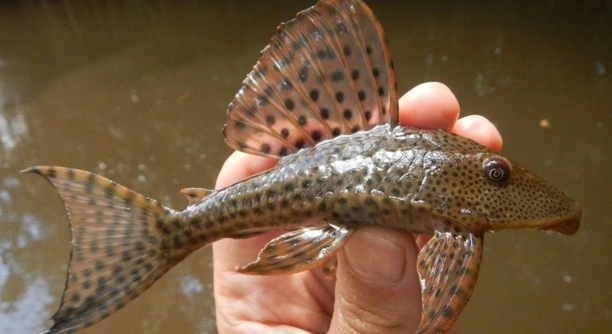
Plecostomus, or “plecos,” are popular freshwater fish known for their algae-eating abilities and peaceful nature. If you are considering having one in your aquarium, you may wonder how they handle different water temperatures, especially cooler ones.
Plecostomus are tropical fish, and they thrive in warmer water temperatures between 74-80°F (23-27°C). Cooler water, especially below 70°F (21°C), can stress them, potentially leading to illness or a shorter lifespan.
Understanding their preferred temperature range and the signs of stress can help you keep your pleco healthy. Keeping their environment stable and within the right temperature range is essential for their well-being.
What Happens When Plecostomus Are Exposed to Cooler Water?
When plecos are exposed to cooler water for long periods, their metabolism slows down. This can lead to a range of issues, including poor digestion and a weakened immune system. Cooler water also affects their activity levels, making them more sluggish and less likely to graze on algae. Over time, this can lead to health problems and a shortened lifespan.
Plecostomus are not well-adapted to cold temperatures, as they come from tropical environments. When temperatures drop, they become more vulnerable to diseases. This is especially true if the water temperature falls below 70°F (21°C), where their immune system may not function properly.
If you notice that your pleco is not as active or is showing signs of distress like swimming erratically or staying near the surface, the water temperature might be the problem. Using a reliable aquarium heater can help ensure the tank stays within the safe temperature range. It’s essential to keep track of the water temperature with a thermometer to avoid sudden changes.
How to Maintain the Right Temperature for Your Plecostomus
To keep your pleco healthy, maintaining a consistent water temperature is essential. The most common method is to use an aquarium heater.
Choosing the right heater depends on the size of your tank. For smaller tanks, a basic submersible heater should suffice, while larger tanks may require a more powerful model. Make sure to position the heater away from direct water flow to ensure even heating. It’s also a good idea to invest in a thermometer to regularly check the temperature.
It’s important to remember that plecos can tolerate small fluctuations in temperature, but extreme changes can cause stress. If you need to adjust the temperature, do so gradually to avoid shocking your pleco. For tanks with a temperature range that fluctuates significantly, a heater with an adjustable thermostat will help maintain consistency.
In addition to keeping the water temperature stable, you should also consider the overall tank conditions. Plecos also require clean, well-filtered water with good oxygen levels to stay healthy.
Signs Your Plecostomus is Stressed by Cooler Water
When a pleco is exposed to cooler water, it may show signs of stress. These can include lethargy, reduced appetite, and abnormal swimming behavior. It’s important to monitor these behaviors closely, as they often indicate that the water temperature is not within the ideal range.
A stressed pleco may hover near the surface or hide more than usual. They may also start to breathe more rapidly due to the lower oxygen levels in cooler water. In severe cases, their skin may lose its color or show signs of damage. If any of these symptoms are noticed, checking the water temperature should be a priority.
Sometimes, plecos will become more aggressive when stressed, especially if they are competing for space or food. If the temperature remains low, their immune system will weaken, making them more vulnerable to infections. Maintaining the right temperature helps keep their behavior and health stable.
How to Prevent Temperature Fluctuations
Temperature fluctuations can be harmful to your pleco. It’s important to keep their environment as stable as possible. Avoid placing the tank in areas where temperatures can change quickly, like near windows, doors, or air conditioning units.
Using a high-quality heater with a built-in thermostat can help regulate the temperature. This ensures that the water stays at a consistent level, minimizing stress on your pleco. Regularly check the heater to make sure it’s functioning properly. If the heater is old or not working as expected, replacing it can prevent sudden drops in temperature.
Aquarium covers are also a great way to reduce temperature changes. They prevent heat loss from evaporation, which can be a significant factor in lowering the tank’s temperature. Adding a lid or cover will also help reduce energy costs by keeping the heater from running constantly.
Maintaining a steady temperature is key to your pleco’s health. Sudden drops in temperature, even for short periods, can be detrimental. Taking these steps will ensure your pleco stays comfortable and stress-free.
How to Raise the Temperature Safely
To raise the water temperature, adjust your heater gradually. Avoid increasing the temperature too quickly, as this can cause additional stress to your pleco. A steady increase of 1-2°F per hour is ideal. Monitor the water temperature regularly.
Using a thermometer is essential when adjusting the temperature. Check the water every few hours to ensure that the change is occurring slowly and steadily. Once the temperature reaches the desired range, maintain it with your heater’s thermostat. Keep the heater clean to ensure proper function and efficiency.
Gradual temperature adjustments give your pleco time to adapt. Sudden shifts in water temperature can result in shock, which could weaken its immune system or lead to other health issues. If you notice your pleco behaving oddly after a temperature change, check to see if it was adjusted too quickly.
The Right Temperature Range for Plecostomus
Plecostomus are best kept in water that stays between 74-80°F (23-27°C). Any lower than 70°F (21°C) can stress them, leading to health issues. Be sure to monitor this range closely to keep your pleco healthy.
Maintaining a stable temperature within this range will help your pleco stay active and happy. A drop below 70°F can cause problems, so make sure the water stays consistently warm.
FAQ
Can plecos survive in water below 70°F?
While plecos can tolerate a slight drop in temperature, water below 70°F (21°C) can cause stress and health issues. At this temperature, their metabolism slows down, affecting their immune system and overall activity levels. It’s best to keep the water within the range of 74-80°F (23-27°C) to maintain their health.
How do I know if the temperature is too low for my pleco?
If the temperature is too low, your pleco may become more lethargic or less active. They might start swimming near the surface, where water is usually warmer, or hide more often. You may also notice a loss of appetite or abnormal behavior. If these signs are present, it’s time to check the temperature and consider raising it.
What’s the best way to maintain a stable temperature in my aquarium?
Using an aquarium heater with a built-in thermostat is the best way to keep the water temperature stable. Be sure to place the heater in a location that ensures even heat distribution and monitor the temperature regularly with a thermometer. Avoid placing the tank in areas where drafts or direct sunlight could cause temperature fluctuations.
Can a pleco live in a cold tank if it’s only temporary?
While a temporary drop in temperature might not immediately harm your pleco, prolonged exposure to cold water can lead to stress, illness, and a weakened immune system. It’s important to correct the temperature as soon as possible to avoid long-term damage. If you must lower the temperature, do so gradually and make sure to return it to the ideal range quickly.
Do plecos need a heater if the room temperature is already warm?
If your room temperature is consistently warm and stays within the range of 74-80°F (23-27°C), a heater may not be necessary. However, fluctuations in room temperature can still affect the tank’s water temperature. If the temperature in the room dips or rises too much, a heater can help maintain the proper range for your pleco.
How can I prevent temperature fluctuations in my aquarium?
To prevent fluctuations, use an aquarium heater with a thermostat that will regulate the water temperature automatically. You should also consider insulating the tank or using a tank cover to reduce heat loss from evaporation. Ensure that your aquarium is in a location with stable temperature conditions, away from windows or air conditioning units.
What temperature is ideal for plecos in a community tank?
For a community tank with plecos, maintaining a temperature range of 74-80°F (23-27°C) is ideal. This temperature is comfortable for most fish species, including plecos, and reduces the risk of stress or illness. Keeping the temperature stable is crucial, especially in a tank with multiple species.
Can I use a thermometer to monitor my pleco’s tank temperature?
Yes, using a thermometer is essential to ensure the water temperature remains within the correct range for your pleco. Place the thermometer near the middle of the tank for the most accurate reading. It’s a good idea to check it regularly to make sure there are no sudden changes.
What should I do if my pleco’s water temperature is too high?
If the water temperature is too high, it can cause stress and even lead to overheating, which is dangerous for your pleco. Reduce the temperature gradually by turning down the heater or adding cooler water. Make sure to monitor the temperature closely and avoid sudden drops that could cause shock.
How do temperature changes affect my pleco’s behavior?
Plecos are sensitive to temperature changes, and even small fluctuations can cause them stress. A drop in temperature can make them more sluggish and less active. On the other hand, higher temperatures may lead to faster metabolism, making them more aggressive or anxious. Keeping the temperature steady helps your pleco stay calm and healthy.
Can plecos live with other fish in cooler water?
Plecos can live with other species in cooler water, but they will be at risk of stress and illness. Most tropical fish, including plecos, thrive in warmer conditions. If you keep other fish that require cooler water, the pleco’s health may suffer. It’s best to match the temperature needs of all tank inhabitants.
How can I help my pleco adjust to a change in temperature?
When adjusting the temperature, do so gradually to avoid shocking your pleco. If the water is too cold, increase the temperature slowly over several hours. This gives your pleco time to adjust without stress. Always monitor their behavior to ensure they’re comfortable with the changes.
Do plecos require extra care in cold weather?
In colder months, your pleco may need extra care. Ensure that the heater is working properly, and the water stays within the ideal range. If your home’s temperature drops, be sure to check the tank’s temperature regularly to prevent sudden cold exposure. You may need to adjust the heater settings to compensate for seasonal changes.
Are plecos more sensitive to water temperature than other fish?
Plecos are sensitive to temperature changes, but they are not necessarily more vulnerable than other tropical fish. Many tropical species have similar temperature needs. However, because plecos are often bottom dwellers, they may be affected by cooler water more quickly. Maintaining a consistent environment will help them thrive.
Final Thoughts
Plecostomus, like many tropical fish, require specific water conditions to stay healthy. Their preferred temperature range is between 74-80°F (23-27°C), and exposure to temperatures below 70°F (21°C) can cause them stress and potential health issues. Keeping your pleco in water that’s too cold for extended periods can slow down its metabolism, weaken its immune system, and even lead to disease or a shorter lifespan. It’s important to monitor the water temperature regularly to make sure it remains stable and within the optimal range.
Using an aquarium heater with a built-in thermostat is the most reliable way to maintain a steady water temperature. If you live in an area where the temperature fluctuates often, this can help prevent sudden drops in temperature, which can stress your pleco. Also, investing in a thermometer to track the water temperature is essential to ensure that your pleco’s environment is ideal for its health. Remember, gradual temperature adjustments are key. Sudden temperature changes can shock your pleco and affect its well-being, so make sure any temperature adjustments are made slowly and consistently.
In addition to temperature, other factors like water cleanliness and oxygen levels play a significant role in your pleco’s health. Regular maintenance, including water changes and proper filtration, ensures that your pleco has a healthy environment to thrive in. With proper care, including maintaining the right water temperature, your pleco will remain a happy and active member of your aquarium for years to come.

Hello,
If you enjoy the content that we create, please consider saying a "Thank You!" by leaving a tip.
Every little bit helps us continue crafting quality advice that supports the health, happiness, and well-being of pets around the world, for pets of all shapes, sizes, and species.
We really appreciate the kindness and support that you show us!