
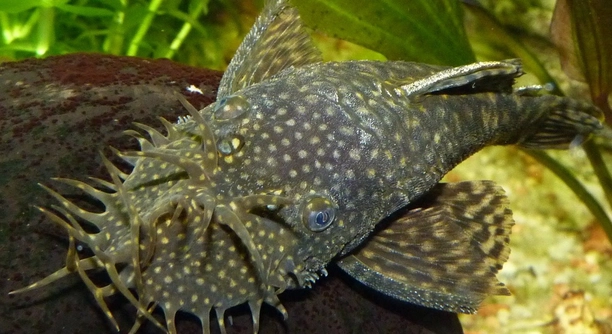
Have you ever looked at your backyard pond and thought about adding a Plecostomus to help keep it clean and algae-free? These hardy fish are often considered for outdoor pond setups by many fish keepers.
Plecostomus can live in outdoor ponds if water temperatures remain within their safe range, typically above 60°F. They require proper shelter, clean water, and consistent environmental conditions to thrive outside of an aquarium setting.
There are important care tips and seasonal factors to consider before placing one in your pond. Understanding these details will help you create a healthy and safe home for your Plecostomus.
Understanding Plecostomus Needs in Outdoor Ponds
Plecostomus are tropical fish that need warm and stable water conditions. They usually thrive in temperatures between 72°F and 82°F, but can tolerate down to 60°F for short periods. Outdoor ponds must be monitored closely to avoid temperature drops, especially at night or during seasonal changes. These fish also need shaded areas and hiding spots like rocks, driftwood, or pond decorations. Providing them with enough algae to graze on, or supplementing with algae wafers, supports their diet. Make sure your pond has low current, proper filtration, and no aggressive tank mates. Plecos prefer calm water where they can rest without constant movement. It’s important to keep the pond clean and oxygenated to prevent buildup of waste that may affect their health. Adding aquatic plants can also help with water quality and provide additional cover for your fish.
Choose a hardy species like the common pleco if your pond has variable conditions.
Before introducing them to your pond, allow time for acclimation. Use a container to gradually adjust them to the outdoor water temperature. This prevents stress and shock.
Some areas with seasonal temperature swings may require you to move plecos indoors during colder months. Keeping a backup aquarium can be a helpful solution.
Seasonal Concerns and Temperature Control
Colder climates can cause problems for Plecostomus, especially in winter when temperatures fall below their survival range.
In regions with chilly winters, outdoor ponds can become too cold for plecos. When water drops below 60°F for extended periods, their immune system weakens, and they become more prone to illness. You can install a pond heater or cover the pond to retain warmth, but these solutions may not be enough in areas with harsh winters. Moving them inside during cold months is often the safest choice. In warmer climates, your main concern will be maintaining water quality during heatwaves. Hot temperatures can reduce oxygen levels, so you may need additional aeration. It’s also important to keep the pond shaded and prevent direct sunlight from raising the water temperature too high. Planning ahead by checking your climate zone helps determine whether your pond is suitable year-round. Regular water testing and temperature checks keep you informed and prepared for seasonal shifts.
Choosing the Right Plecostomus Species
Not all Plecostomus types are suitable for outdoor ponds. Some species grow too large or are too sensitive to changes in water temperature, which can make care more difficult in outdoor environments. Stick to hardier, more adaptable species for the best results.
The common pleco (Hypostomus plecostomus) is one of the most popular choices for ponds due to its ability to tolerate a wide range of conditions. It can grow over a foot long, so space is important. Bristlenose plecos (Ancistrus spp.) are smaller and more manageable, but may be less hardy in cooler temperatures. Avoid more delicate species like the zebra pleco or gold nugget pleco, as they require very specific water parameters and are not suited for life outside. Always check the adult size and care requirements of any pleco before adding it to your pond. Compatibility with other pond fish should also be taken into account.
Some species are more aggressive or territorial than others, especially as they mature. This can create tension in a small pond, especially if space and hiding spots are limited. Research the behavior of your chosen pleco species and avoid combining multiple males unless your pond is large enough to support them peacefully.
Feeding and Nutrition for Outdoor Plecos
Plecostomus eat algae, but that won’t be enough to keep them healthy in most outdoor ponds. You’ll need to supplement with sinking algae wafers or vegetables like zucchini and cucumber slices. Secure the food so it stays at the bottom.
Feeding should be done in the evening or early morning, when plecos are most active. Leftover food should be removed the next day to keep water clean. You can rotate vegetables to give them a varied diet and avoid nutritional gaps. Blanching the vegetables makes them easier to eat and helps prevent digestive issues. Algae growth in ponds can be inconsistent, so don’t rely on it as the only food source. It’s also a good idea to feed them near their hiding spots to make them feel more secure. With regular feeding and water monitoring, outdoor plecos can stay healthy and active throughout the warmer seasons.
Pond Setup and Safety Measures
Make sure your pond has plenty of shaded areas and hiding spots. Rocks, driftwood, and dense plants work well. These give plecos shelter from sunlight and predators while also helping them feel secure throughout the day.
A gentle water flow is best. Strong currents can stress plecos and make it harder for them to rest or feed. Use filters that circulate the water without causing too much disturbance. This helps maintain water quality while keeping the environment calm.
Monitoring Health and Behavior
Plecos often hide during the day, so changes in behavior may go unnoticed at first. Look for signs like lack of appetite, sluggish movement, or damaged fins. These may suggest water quality problems, stress, or illness. Testing the water weekly helps prevent serious issues. Sudden changes in temperature, pH, or ammonia levels can quickly impact their health. If your pleco becomes unusually active during the day or avoids food for more than a couple of days, it may be time to isolate and observe. Keeping records of feeding and activity can help track small changes before they turn into big problems.
Potential Predators and Risks
Outdoor ponds can attract raccoons, birds, and other animals. Adding netting, plant cover, or motion-activated lights helps reduce the risk of attacks. Predators are more active at night, so extra protection during those hours is important.
FAQ
Can plecostomus survive in cold weather?
Plecostomus are tropical fish and are sensitive to cold temperatures. They are most comfortable in water that stays between 72°F and 82°F. If the temperature drops below 60°F, it can cause stress, weaken their immune systems, and make them more susceptible to diseases. In colder climates, you may need to move them indoors or use a pond heater during winter months. Always monitor water temperature closely, as sudden drops can be fatal to these fish.
How big do plecostomus get in outdoor ponds?
The common pleco can grow quite large in outdoor ponds, sometimes reaching up to 12-15 inches long. In the wild, they have more space to grow, and outdoor ponds allow them to reach their full size. If you’re considering a pleco for your pond, ensure you have enough space to accommodate their size. Larger ponds are ideal, as they provide ample room for movement and better water quality management. Smaller plecos, such as the bristlenose, grow to a more manageable size of 4-5 inches, which can be a better option for smaller ponds.
Do plecostomus need a filter in outdoor ponds?
Yes, plecostomus require a filter to maintain clean water, especially in outdoor ponds where algae and debris can build up quickly. Filters help keep water oxygenated, remove waste, and ensure a stable environment for your plecos. Plecos are often used for algae control, but they still need a proper filtration system to keep the water clear and safe. A strong, yet gentle filter is ideal, as plecos can get stressed from strong currents. Regular maintenance of the filter and water tests will help you maintain a healthy pond environment.
Can plecostomus live with other fish in outdoor ponds?
Plecostomus are generally peaceful fish and can live with other species in outdoor ponds. However, they may become territorial, especially if space is limited. Make sure to choose non-aggressive fish that will not compete with your pleco for food or territory. Avoid placing multiple males in a small pond, as they can become competitive. If you’re planning to add plecos with smaller fish, ensure that they won’t see them as food. Plecos will generally leave larger, peaceful fish alone but may nip at smaller or more delicate species if food is scarce.
What should I feed plecostomus in outdoor ponds?
While plecostomus feed on algae, it is important to supplement their diet with other foods, especially in outdoor ponds where algae growth may vary. You can feed them sinking algae wafers, zucchini, cucumber, or spinach. Some plecos also enjoy the occasional piece of melon or sweet potato. Blanching vegetables before offering them makes them easier for plecos to eat. Be sure to remove uneaten food after a few hours to keep the water clean and free of excess nutrients that could cause algae blooms.
How often should I feed plecostomus in outdoor ponds?
Plecostomus are not overly demanding when it comes to feeding. You can feed them once or twice a day, depending on the size of your pond and how much food they consume. Always monitor their feeding habits, and adjust food portions to prevent overfeeding. Overfeeding can lead to water quality issues and health problems. During colder months, when plecos may become less active, reduce feeding. They can go without food for several days in cooler temperatures, but during the warmer months, a consistent feeding routine is recommended.
What size pond do I need for plecostomus?
A plecostomus needs ample space to grow and thrive. For a single common pleco, a pond should be at least 100 gallons. This provides enough space for them to swim and graze on algae. If you’re adding more than one pleco or other fish, you’ll need a larger pond to accommodate their needs. A pond with plenty of hiding spots, such as rocks, plants, or driftwood, is important for their comfort. The more space you provide, the healthier your pleco will be. Larger ponds also offer better water quality, which is essential for their well-being.
What are the signs of stress in plecostomus?
Stress in plecostomus can manifest in several ways. You might notice them hiding more often, staying near the bottom of the pond, or swimming aimlessly. Stress can also cause them to stop eating or display erratic behavior. If you see these signs, check the water quality, temperature, and any changes in their environment. Stress can also be caused by poor water conditions, overcrowding, or the presence of aggressive tank mates. Ensure your pleco has enough space, hiding spots, and stable water conditions to reduce stress levels.
Can plecostomus breed in outdoor ponds?
Yes, plecostomus can breed in outdoor ponds, but they require specific conditions to do so. The water temperature should be warm, and the pond should provide hiding spots like caves or submerged driftwood where they can lay eggs. Males usually guard the eggs and the fry once they hatch, while females tend to leave after laying the eggs. If you’re hoping to breed plecos, make sure the pond has good filtration and the appropriate temperature for breeding. However, breeding in outdoor ponds is less common compared to controlled aquarium setups.
Are there any dangers of having plecostomus in outdoor ponds?
While plecostomus are hardy fish, they do face risks when living in outdoor ponds. In colder climates, they may not survive winter temperatures without protection. They are also susceptible to predators like birds or raccoons, which may attack them. It’s essential to secure your pond with netting or other protective covers. Another danger is the water quality; if it deteriorates, plecos can become ill. Always check for ammonia spikes, pH imbalances, and low oxygen levels, which can harm your fish. Monitoring the health and behavior of your plecos is key to avoiding potential issues.
Final Thoughts
Keeping plecostomus in outdoor ponds can be a rewarding experience, but it requires careful planning and maintenance. These fish thrive in stable environments with warm water and proper filtration. Ensuring your pond has plenty of space, hiding spots, and the right water conditions is essential for their health. Plecos are peaceful creatures that can help manage algae, but they also need a balanced diet and occasional attention to water quality. If you can meet their needs, plecostomus can live happily in an outdoor pond.
The biggest challenge with outdoor plecostomus care is maintaining consistent water conditions. Factors like temperature, pH, and ammonia levels can fluctuate, especially during seasonal changes. Monitoring the pond regularly, particularly during colder months, can help prevent health issues. In colder regions, using a pond heater or bringing your pleco indoors during the winter might be necessary. While they are hardy, they are still sensitive to drastic changes in their environment. Regular testing and proper filtration systems are key to ensuring a safe habitat for them.
Ultimately, keeping plecostomus outdoors can be a great way to enjoy these fascinating fish. Their algae-eating habits and peaceful nature make them ideal for many ponds. However, they require a well-maintained pond with enough space to grow and thrive. By paying attention to water quality, protecting them from predators, and providing them with appropriate food, you can create a healthy environment for your plecos to enjoy for years to come.

Hello,
If you enjoy the content that we create, please consider saying a "Thank You!" by leaving a tip.
Every little bit helps us continue crafting quality advice that supports the health, happiness, and well-being of pets around the world, for pets of all shapes, sizes, and species.
We really appreciate the kindness and support that you show us!