
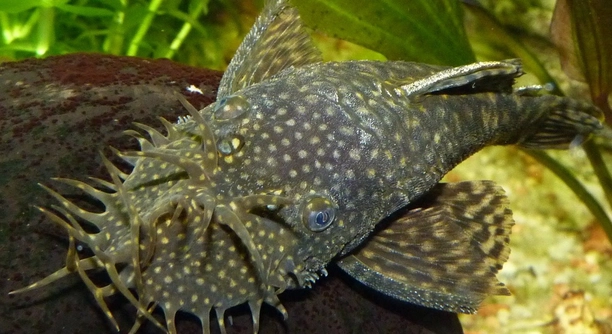
Plecostomus are often chosen for their algae-eating abilities, but their living conditions need careful consideration. The tank setup plays a significant role in their health and well-being. Understanding their needs can help ensure they thrive in their environment.
A bare tank may not be the best environment for a Plecostomus. While these fish can survive in a tank with minimal decorations, they need hiding spaces and a stable environment to feel secure and healthy. Proper filtration and water conditions are also crucial.
Maintaining a balanced environment for a Plecostomus goes beyond just tank size. Their specific needs should be met for their long-term health and comfort.
What Do Plecostomus Need in Their Tank?
Plecostomus, while hardy, require a well-maintained tank to stay healthy. A bare tank may not provide enough hiding spots or surfaces for them to interact with. Without decorations or substrate, they can feel exposed and stressed, which can impact their health. A tank with live plants, rocks, and driftwood offers shelter and encourages natural behaviors. It’s also essential to maintain proper water conditions, including stable temperature, pH levels, and cleanliness. A filter system is important to keep the water clean, as these fish are sensitive to poor water quality. Regular water changes and testing ensure a balanced environment.
Their diet also impacts their well-being. While they are often fed algae, they also need supplementary food like vegetables and protein. Feeding them the right food in addition to maintaining their environment will help them thrive.
Adding tank mates can also make a difference. It’s important to choose species that won’t stress your Plecostomus. They should have ample space to avoid territorial disputes. Keeping all these factors in mind will help create an optimal tank environment.
Why a Bare Tank Isn’t Ideal for Plecostomus
A bare tank can leave Plecostomus feeling insecure and stressed. Without places to hide, they may not thrive.
A Plecostomus’ natural habitat includes structures and hiding spots to provide safety. A bare tank leaves them exposed to light, making them more anxious. Adding items like driftwood or caves helps replicate a more natural environment. The addition of plants can also contribute to water quality by absorbing excess nutrients.
Importance of Water Conditions
Water quality is essential for the health of Plecostomus. These fish are sensitive to changes in temperature, pH, and water hardness. Keeping a consistent temperature between 74-80°F is ideal. Regular water changes and using a quality filter will help maintain proper water conditions. Testing the water weekly ensures it stays within safe levels.
Keeping the water clean is crucial. Plecostomus produce waste, and without proper filtration, their tank can become dirty quickly. A high-quality filter ensures debris is removed, and beneficial bacteria are supported. Water tests can help detect harmful ammonia, nitrites, or nitrates that can negatively affect their health.
Stabilizing pH and hardness is also vital. Plecostomus prefer slightly acidic to neutral water with a pH of 6.5 to 7.5. Sudden shifts can cause stress and even illness. Avoid sudden water changes, as these can disrupt their sensitive systems. Regular testing and maintaining consistent water conditions will keep them healthy and comfortable.
Feeding Plecostomus
Plecostomus are primarily herbivores but also need some protein to thrive. Algae wafers or pellets are the most common food for them. However, adding fresh vegetables like zucchini or cucumber is a great supplement. It helps provide essential nutrients and mimics their natural diet.
In addition to vegetables, occasional protein sources like bloodworms or brine shrimp can improve their health. Overfeeding, though, can lead to poor water quality and health issues. Feed them once a day, removing excess food after 4-6 hours to prevent decay. Plecostomus are bottom feeders, so they will often clean up any uneaten food.
It’s important to offer variety in their diet. While they can survive on algae and commercial foods, adding fresh produce and protein sources will ensure they receive all the vitamins and minerals needed. This variety supports their overall well-being and growth.
Tank Size and Space
Plecostomus can grow quite large, so they need a tank that provides enough space. A minimum of 30 gallons is recommended for a single Plecostomus, but larger tanks are better. More space reduces stress and allows them to explore and stay active.
A spacious tank also ensures better water quality. With more water, the tank can handle waste and fluctuating conditions better. It’s also easier to maintain proper filtration. If multiple Plecostomus or other species are kept together, larger tanks are necessary to prevent territorial issues and overcrowding.
Suitable Tank Mates
Plecostomus are generally peaceful, but their tank mates should be chosen carefully. Avoid overly aggressive fish that could stress them out. Small fish might be intimidated by their size, while other bottom dwellers could compete for space.
In ideal setups, tank mates like tetras, livebearers, or other peaceful fish work well. Avoid sharp, fin-nipping species. Plecostomus do best in peaceful communities where they can graze, explore, and interact with minimal aggression. However, it’s important to ensure that all fish have enough space and hiding spots to avoid stress.
Tank Decorations
Adding decorations like rocks, driftwood, and live plants is essential for a Plecostomus tank. These features provide hiding places, which help reduce stress. Driftwood, in particular, benefits Plecostomus by promoting algae growth, which they graze on naturally.
Plants also help stabilize water conditions by absorbing excess nutrients. With the right balance of decorations, the tank will replicate a more natural environment. This setup allows your Plecostomus to feel secure while maintaining water quality.
FAQ
Can Plecostomus survive in a tank without a filter?
Plecostomus can survive in a tank without a filter, but it is not recommended. A filter plays a crucial role in maintaining water quality by removing waste and debris. Without one, ammonia and nitrates will build up, which can be harmful to the Plecostomus and any other tank inhabitants. Regular water changes are required to keep the tank clean, but a filter makes maintenance much easier and more effective.
Do Plecostomus need a heater?
Yes, Plecostomus require a heater. They thrive in tropical temperatures, ideally between 74-80°F. In colder water, their immune system can weaken, making them more susceptible to diseases. A heater will help maintain a consistent temperature, which is essential for their health and activity levels. Make sure to use a reliable aquarium heater and check the temperature regularly.
What is the lifespan of a Plecostomus?
Plecostomus can live up to 10-15 years in a well-maintained tank. However, their lifespan depends on factors like water quality, diet, and tank conditions. Providing them with a proper tank setup and routine care can ensure they live a long, healthy life. Regular maintenance and proper water conditions will go a long way in extending their lifespan.
Can Plecostomus live with other fish?
Yes, Plecostomus can live with many types of fish, as long as they are peaceful. Avoid keeping them with aggressive or territorial species, as these can stress them out. Plecostomus do well with small to medium-sized fish that won’t compete for the same bottom space. Keep in mind that they prefer a peaceful, low-stress environment.
How big do Plecostomus get?
Plecostomus can grow quite large, typically reaching 12-24 inches in length depending on the species. Some varieties, such as the common Pleco, can grow up to 24 inches. Providing a large tank, at least 30 gallons for a single fish, is essential to accommodate their size and to ensure they have enough space to move around comfortably.
What do Plecostomus eat besides algae?
While Plecostomus are primarily algae eaters, they need a more varied diet to stay healthy. Offer them algae wafers, pellets, and fresh vegetables like zucchini, cucumber, and spinach. Additionally, they benefit from occasional protein sources, such as bloodworms, brine shrimp, or sinking shrimp pellets. A varied diet ensures they get all the nutrients they need.
Can Plecostomus live in cold water?
Plecostomus are tropical fish and do not tolerate cold water well. Water temperatures below 70°F can stress them, leading to a weakened immune system and a higher chance of illness. It’s important to maintain a temperature range of 74-80°F using a heater. In colder water, they may also become less active.
Why is my Plecostomus not eating?
If your Plecostomus isn’t eating, several factors could be at play. Poor water quality is a common cause, as these fish are sensitive to changes in their environment. Ensure the tank has proper filtration and that the water temperature and pH are stable. Stress from overcrowding or aggressive tank mates can also cause a loss of appetite. Check the food you’re offering, as some Plecostomus may be picky about the types of algae or vegetables they prefer.
How do I know if my Plecostomus is stressed?
Signs of stress in Plecostomus include abnormal hiding, loss of appetite, lethargy, or erratic swimming. Stress can be caused by poor water quality, overcrowded tanks, aggressive tank mates, or sudden changes in tank conditions. If you notice these signs, check the water parameters and ensure the tank has enough hiding spots and proper decorations. Stress can lead to health issues, so it’s important to resolve any potential causes as soon as possible.
What is the best substrate for Plecostomus?
Plecostomus prefer a soft, sandy substrate. They use their barbels to forage for food on the bottom of the tank, and rough substrates can cause damage to these sensitive areas. Sand mimics their natural habitat and provides a safe surface for them to graze on. Avoid gravel with sharp edges, as it can harm their barbels and affect their feeding behavior.
Do Plecostomus need a lot of oxygen in the tank?
Plecostomus do require a well-oxygenated environment to stay healthy. Although they can survive in tanks with moderate oxygen levels, it’s best to have good surface agitation and proper filtration. Aeration is especially important in smaller or overcrowded tanks. A bubbler or air stone can help increase oxygen exchange and improve overall water quality, especially if your tank lacks sufficient surface movement.
How often should I clean my Plecostomus tank?
Cleaning your Plecostomus tank depends on the size of the tank and the filtration system. Generally, you should perform partial water changes of about 25-30% once every two weeks. If you have a heavily stocked tank or less efficient filtration, you may need to clean more often. Vacuuming the substrate, cleaning the filter, and trimming plants also contribute to keeping the tank clean. Regular maintenance ensures a healthy environment for your Plecostomus.
Can Plecostomus live without decorations?
While Plecostomus can survive in a tank without decorations, it is not ideal. Decorations such as driftwood, rocks, and plants help provide hiding spots, which reduce stress and give them a sense of security. A bare tank with no hiding spots can lead to increased anxiety and potentially harm their health. It’s best to include some decorations to replicate their natural environment.
Final Thoughts
Keeping a Plecostomus in your aquarium requires careful consideration of their needs. While they are relatively easy to care for, providing the right environment ensures their long-term health. A properly sized tank with adequate space for swimming and grazing is essential. As they can grow quite large, a minimum of 30 gallons is recommended for a single Plecostomus, with larger tanks being preferable. It’s also important to include decorations and hiding spots, which reduce stress and make them feel secure in their environment. Regular water changes, proper filtration, and maintaining an appropriate water temperature will also help keep them happy and healthy.
Plecostomus are peaceful and can live with other fish, but it’s crucial to choose compatible tank mates. Aggressive fish or overcrowded tanks can lead to stress, so it’s essential to select peaceful species that won’t compete for the same resources. Providing a balanced diet with algae-based food, fresh vegetables, and occasional protein will ensure they remain healthy. While Plecostomus primarily eat algae, they benefit from a varied diet that supports their nutritional needs. Regular feeding and monitoring their behavior for any signs of stress or illness can help detect issues early.
Ultimately, a Plecostomus can be a great addition to your aquarium if you meet their specific needs. They help maintain a clean tank by consuming algae, making them useful for reducing the buildup of organic matter. However, their care is not without effort. Ensuring that their environment is large enough, stable, and equipped with proper filtration will help them thrive. With the right care, your Plecostomus can live for many years, offering both aesthetic appeal and practical benefits to your aquarium.

Hello,
If you enjoy the content that we create, please consider saying a "Thank You!" by leaving a tip.
Every little bit helps us continue crafting quality advice that supports the health, happiness, and well-being of pets around the world, for pets of all shapes, sizes, and species.
We really appreciate the kindness and support that you show us!