
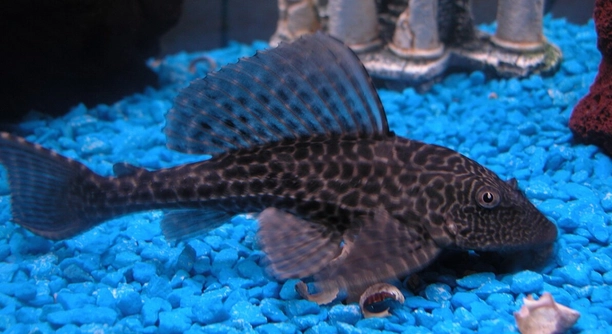
Plecostomus fish are a popular choice in aquariums due to their algae-eating habits. Many owners enjoy watching their behavior, but some may wonder how much these fish can sense, including their ability to hear sounds in their environment.
While Plecostomus fish have good sensory abilities, they do not possess the ability to hear sounds in the way humans or some animals do. They primarily rely on vibrations and chemical signals in the water to detect changes in their surroundings.
Understanding how these fish perceive their environment can improve their care. It is essential to consider their unique sensory abilities when setting up their tank and maintaining a suitable habitat.
How Do Plecostomus Fish Sense Their Surroundings?
Plecostomus fish are known for their unique adaptations that allow them to thrive in aquarium environments. These fish use a variety of methods to detect their surroundings. Their most important sensory tool is their ability to sense vibrations in the water. This helps them detect predators, food sources, and even the presence of other fish nearby. Plecostomus fish have specialized lateral lines, which are sensitive to pressure changes in the water. This system allows them to “hear” vibrations, although it differs from how humans interpret sound. Their vision, while not as advanced as some fish, also plays a role in detecting objects and movement.
While they cannot hear sounds like humans, Plecostomus fish rely on vibrations to navigate their environment effectively. Their ability to sense changes in the water helps them avoid threats and locate food.
The lateral line system in Plecostomus fish is vital for communication and survival. This system enables them to detect subtle vibrations and fluctuations in water pressure, which serves as a form of communication between them and other fish.
How Do Plecostomus Fish Interact with Their Environment?
Plecostomus fish do not rely solely on hearing or vision to interact with their surroundings. They have a strong sense of touch, which is facilitated by their barbels located around their mouth. These barbels help them detect objects in the water and find food. In addition to their touch and vibration sensitivity, they also use chemoreception, the ability to sense chemicals in the water. This helps them identify potential food sources or the presence of other Plecostomus fish.
Their ability to sense chemicals in the water helps Plecostomus fish respond to changes in their environment. They may sense shifts in water quality, the presence of other fish, or even danger. These factors, along with their lateral line system, make Plecostomus fish highly attuned to their surroundings.
Their ability to adapt to different conditions in an aquarium setting can make them quite resilient. Understanding how they perceive their environment allows owners to create a more comfortable, safe space for them.
How Plecostomus Fish Use Their Lateral Line
The lateral line is a crucial sensory organ for Plecostomus fish, helping them detect water movement and vibrations. This system provides important information about their environment, such as changes in water pressure, the movement of other fish, or nearby predators.
The lateral line is composed of sensory cells along the fish’s body, typically on either side of their body from head to tail. These cells pick up vibrations, which help the Plecostomus fish navigate through murky water and avoid obstacles. It plays a vital role in their survival by helping them sense predators and locate food in their surroundings.
Despite lacking advanced hearing, the lateral line compensates for this limitation by offering highly sensitive vibration detection. This makes Plecostomus fish well-suited to low-visibility conditions, such as in tanks with darker or murkier water. The lateral line keeps them aware of any disturbances around them.
The Importance of Vibrations in Plecostomus Communication
Vibrations help Plecostomus fish detect changes in their environment, including the presence of other fish. This ability is particularly important when interacting with others of their kind or responding to potential threats.
These vibrations are not just random movements but meaningful signals that Plecostomus fish use for communication. When other fish swim nearby or when they sense disturbances in the water, the fish can respond accordingly. This ability to detect vibrations allows them to react quickly, whether by retreating to a safe spot or moving toward food sources.
The way Plecostomus fish respond to vibrations also suggests a level of communication among species. They can “feel” each other’s movements, which helps them maintain distance, seek food, or avoid potential threats. This sensitivity is key to their ability to coexist with other fish in a tank.
Can Plecostomus Fish Sense Their Owners?
Plecostomus fish can sense changes in their environment, including the presence of their owners. They may respond to movement or vibrations, though they don’t “recognize” humans in the way pets like dogs or cats do.
While they may not form a bond with their owners, they can pick up on routine activities. Plecostomus fish are sensitive to vibrations in the water, so they may react to the sound of footsteps or the motion of someone approaching the tank. These small cues can trigger their response, like swimming near the surface.
This level of awareness does not equate to emotional recognition, but it shows that they can be aware of your presence and routine. They rely more on environmental changes than on any specific human interaction.
Plecostomus Fish and Tank Conditions
Plecostomus fish thrive in stable water conditions and rely on their sensory abilities to navigate the tank. Consistent temperature, water flow, and cleanliness are key to their well-being. When these factors change, their sensory systems help them adapt, keeping them safe.
They detect subtle shifts in water quality, such as changes in pH or increased debris. These changes are often sensed through their lateral line or chemical receptors. By keeping water conditions stable, owners can create an environment where these fish feel secure and comfortable. The more stable the water, the less stressed the Plecostomus will be.
Plecostomus Fish Feeding Behavior
Plecostomus fish are primarily herbivores, feeding on algae and plant matter. They use their sensory abilities to locate food sources in their tank, relying on their touch and vibration detection to find algae or food scraps.
FAQ
Can Plecostomus Fish Hear Sounds?
No, Plecostomus fish cannot hear sounds like humans or some other animals. Instead, they detect vibrations in the water. These vibrations help them sense movement around them, like when a predator is near or another fish is swimming. Their ability to sense these vibrations through their lateral line allows them to respond to their environment, though they do not hear in the traditional sense.
How Do Plecostomus Fish Detect Food?
Plecostomus fish rely on a combination of sensory methods to detect food. While they are primarily herbivores, their barbels (whisker-like structures) help them touch and sense food in the tank. They also use their lateral line to detect vibrations caused by food particles in the water. This helps them locate algae, plant matter, and other food sources.
Can Plecostomus Fish Feel Their Owners?
While Plecostomus fish don’t form emotional connections with their owners, they can sense your presence. They detect vibrations and movement in the water, which can happen when you approach the tank or feed them. Though they don’t recognize humans in the way pets like dogs or cats do, they may respond to these cues by swimming to the front of the tank.
Do Plecostomus Fish Need to Be in Schools?
Plecostomus fish are generally solitary creatures. Unlike some species that thrive in groups, they tend to do well alone. While they may interact with other fish, especially in community tanks, they don’t need to be in schools. However, having multiple Plecostomus in a larger tank can help reduce territorial behavior.
Are Plecostomus Fish Aggressive?
No, Plecostomus fish are typically peaceful and non-aggressive. They are bottom-dwellers, focusing on grazing algae and other plant matter. However, they can become territorial, especially if other fish invade their space. It’s important to provide enough hiding spots in the tank to minimize potential conflict with other fish.
Do Plecostomus Fish Need a Filter?
Yes, Plecostomus fish need a good filtration system in their tank. These fish produce waste that can quickly contaminate the water. A filter helps keep the water clean and maintains the necessary water quality for their health. Regular water changes and proper filtration are essential to keeping these fish healthy.
Can Plecostomus Fish Live with Other Fish?
Plecostomus fish can live with a variety of other fish, especially peaceful species. Since they are bottom-dwellers, they usually stay out of the way of other fish. However, they may become aggressive if they feel crowded or if other fish invade their territory. It’s important to avoid housing them with overly aggressive or territorial species.
How Big Do Plecostomus Fish Grow?
Plecostomus fish can grow quite large, depending on the species. Common species like the Bristlenose can grow up to 5 to 6 inches, while larger species like the Common Pleco can reach lengths of 18 to 24 inches. It’s important to have a sufficiently large tank to accommodate their size as they grow.
How Long Do Plecostomus Fish Live?
Plecostomus fish can live for a long time in the right conditions. Typically, they can live for 10 to 15 years in a well-maintained aquarium. Providing a clean environment, proper food, and stable water conditions can help extend their lifespan and ensure they thrive.
What Should I Feed My Plecostomus Fish?
Plecostomus fish primarily feed on algae, plant matter, and occasional protein. In captivity, you can supplement their diet with algae wafers, vegetables like zucchini or cucumber, and occasionally shrimp or other protein sources. It’s important to vary their diet to ensure they get all the necessary nutrients.
Do Plecostomus Fish Need Special Tank Conditions?
Yes, Plecostomus fish thrive in tanks with stable conditions. They prefer warm water temperatures (between 75°F and 80°F) and slightly acidic to neutral water (pH 6.5-7.5). A tank with plenty of hiding spots, such as rocks or driftwood, will help them feel secure. Regular water changes and good filtration are crucial for maintaining their health.
Why Is My Plecostomus Fish Not Eating?
If your Plecostomus fish isn’t eating, it could be due to several factors. Stress from changes in water conditions, water temperature, or tank mates can cause a loss of appetite. Ensure the tank is clean, the water is within the proper temperature range, and that there’s enough food available for them. If the problem persists, it might be worth consulting with an aquarium specialist.
Final Thoughts
Plecostomus fish are fascinating creatures that play an important role in aquariums. Their ability to detect vibrations through their lateral line makes them unique in how they navigate and interact with their environment. While they may not “hear” sounds as humans do, their heightened sensitivity to water movement allows them to respond to changes in their surroundings. This makes them well-suited to life in both natural and aquarium environments, where they help keep tanks clean by consuming algae and debris.
It’s important to understand that while Plecostomus fish can sense their surroundings, they do not develop emotional bonds with their owners in the way pets like dogs or cats do. They respond to environmental changes, such as vibrations or the presence of food, but their interactions with humans are largely based on routine and habit. Plecostomus are peaceful fish that do well in community tanks, as long as there is enough space and resources for everyone. They are solitary by nature, and though they may interact with other fish, they don’t require companionship from their own kind.
Overall, Plecostomus fish are hardy and low-maintenance when kept in the right conditions. They need stable water quality, proper filtration, and a balanced diet to thrive. While they may not be as interactive as some other aquarium species, their contributions to the tank’s ecosystem make them valuable additions to many homes. By providing them with the care and environment they need, owners can enjoy these fascinating fish for many years.

Hello,
If you enjoy the content that we create, please consider saying a "Thank You!" by leaving a tip.
Every little bit helps us continue crafting quality advice that supports the health, happiness, and well-being of pets around the world, for pets of all shapes, sizes, and species.
We really appreciate the kindness and support that you show us!