
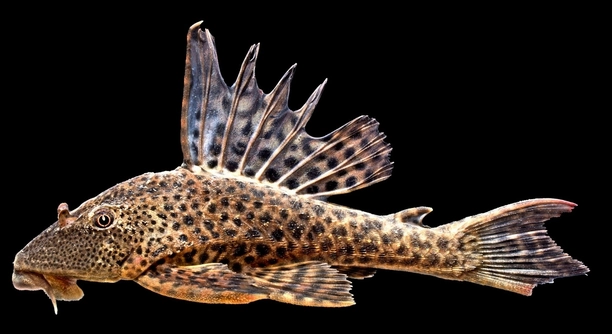
Plecostomus fish are fascinating creatures, often found in freshwater aquariums. Known for their algae-eating habits, these fish are loved by aquarium enthusiasts. However, there is still much to learn about their sensory abilities, especially regarding sound perception.
Plecostomus fish lack external ears, but they can sense vibrations in the water through their lateral line system. This system helps them detect movement and sound waves, although their hearing capabilities may not be as developed as in other species.
Understanding how Plecostomus fish perceive sound is essential for providing the best care. Their unique sensory system allows them to respond to their environment in ways that enhance their survival.
How Plecostomus Fish Sense Their Environment
Plecostomus fish have a unique way of sensing their surroundings. Unlike many animals that use sound to communicate, these fish rely more on vibrations. Their lateral line system is a sensitive organ that picks up vibrations and movements in the water. This system is crucial for detecting predators and locating food. While they don’t hear sounds in the same way humans or other animals do, they can sense changes in their environment. This ability helps them navigate through their tank and avoid threats. It’s fascinating how they rely on such an advanced system for survival.
Though their ability to detect sound is limited, the vibrations they sense are still significant. Plecostomus fish use these vibrations to understand their environment, which plays a role in their daily activities.
Their lack of external ears makes it clear that their primary method of sensing is through these vibrations. Their lateral line system is fine-tuned to detect even the slightest disturbances, ensuring they can stay aware of what’s happening around them.
Can Plecostomus Fish Communicate Using Sound?
Plecostomus fish do not communicate through sound like other species, such as dolphins or whales. They lack the vocal cords needed to make sound and instead communicate through body language and subtle movements in the water. They use their vibrations and the position of their bodies to convey their presence or intentions. This communication is more passive, with other fish picking up on these signs, especially in a social setting within a tank.
Their lack of sound-based communication doesn’t hinder them, as their ability to sense and respond to their environment effectively keeps them safe and in tune with other creatures in their habitat. However, understanding how they communicate through their movements helps aquarium owners maintain a peaceful environment.
Plecostomus Fish and Their Lateral Line System
The lateral line system is a vital part of how Plecostomus fish sense their surroundings. This sensory organ helps them detect vibrations in the water, making them more aware of changes around them.
The lateral line is located along the fish’s body, running from head to tail. It functions similarly to how humans use their sense of touch. The vibrations it detects can signal approaching predators or the presence of food. This system is also useful for navigation in dark or murky water where visibility is limited. Plecostomus fish rely heavily on this sensory organ for survival.
Despite not hearing sound in the traditional sense, the lateral line allows them to respond to environmental changes. They can sense subtle shifts in water pressure, enabling them to detect other animals and objects. The system is finely tuned to respond to even the faintest disturbances.
How Their Environment Affects Their Sensory Perception
The environment has a significant impact on how Plecostomus fish perceive their surroundings. Water temperature, flow, and even the presence of other fish can affect the efficiency of their lateral line system.
Changes in water temperature can alter how quickly vibrations travel. If the water is too warm or cold, the fish may struggle to sense vibrations properly. Additionally, strong water currents can interfere with their ability to detect subtle movements. In a tank, it’s important to maintain balanced water conditions to ensure the fish’s sensory system functions properly.
Keeping the water clean and free of pollutants also helps Plecostomus fish maintain optimal sensitivity. Polluted water can affect their ability to sense movements, leading to stress and potential health issues. Creating a stable, clean environment is crucial for their well-being.
Can Plecostomus Fish Hear Human Voices?
While Plecostomus fish are not known for hearing human voices, they can pick up vibrations caused by sound waves in the water. These vibrations might cause them to react, though it’s unlikely they can distinguish specific sounds like humans do.
Plecostomus fish can sense the vibrations created by sound, but they don’t “hear” in the same way humans or animals with specialized ears do. The vibrations in the water may alert them to movement or activity, causing them to swim or hide.
Impact of Vibrations on Plecostomus Fish
Excessive vibrations in the water can cause stress for Plecostomus fish. Prolonged exposure to loud sounds or strong vibrations can negatively affect their health. Stress can lead to reduced activity, poor feeding habits, or even weakened immune systems.
Fish are highly sensitive to vibrations, and even subtle disturbances can have an impact. In aquarium settings, it’s important to minimize unnecessary noise and vibrations, especially near their tank. Keeping their environment peaceful helps maintain their well-being.
The Role of Plecostomus Fish’s Behavior in Sound Perception
Plecostomus fish often exhibit specific behaviors when exposed to certain vibrations. They may swim faster or change direction when they sense a disturbance. These behaviors are part of how they react to potential threats in their environment.
When sensing movement, their reactions can also serve as a warning to other tank mates, signaling that danger might be nearby. Understanding these behaviors is essential in creating a comfortable, safe environment for the fish.
FAQ
Can Plecostomus fish hear sound?
Plecostomus fish cannot hear sound in the traditional sense as humans do. They lack external ears and vocal cords. However, they can detect vibrations through their lateral line system, which helps them sense movements and disturbances in the water. These vibrations might be caused by sounds, but they do not process them as we do. Instead, their reaction is based on the movement of water rather than sound waves themselves.
How do Plecostomus fish communicate?
Plecostomus fish do not communicate through vocalizations or sounds. Instead, they use body movements and subtle vibrations in the water to communicate with other fish. The lateral line system helps them detect these vibrations, allowing them to understand the presence and movements of others in their environment. These signals are important for navigating and avoiding potential threats.
What does the lateral line system do for Plecostomus fish?
The lateral line system is a specialized sensory organ that helps Plecostomus fish detect vibrations and movements in the water. It works similarly to a human’s sense of touch, allowing the fish to sense nearby creatures, changes in water flow, and the presence of obstacles. This system plays a key role in their survival, helping them avoid predators and locate food.
Do Plecostomus fish need sound to thrive?
No, Plecostomus fish do not rely on sound to thrive. Their lateral line system is their primary method of sensing their environment, and it is more effective than hearing sound. While they are aware of vibrations and movements, they don’t need sound waves to carry out their daily activities. Their sensitivity to water movement is enough to help them navigate and interact with their surroundings.
Can Plecostomus fish be stressed by loud sounds?
Yes, loud sounds or excessive vibrations can cause stress for Plecostomus fish. Since they rely on the water’s vibrations to detect changes in their environment, sudden or strong vibrations can cause anxiety or disorientation. Stress from noise may also lead to health issues, such as reduced appetite or weakened immune responses. Keeping their environment peaceful and free from excessive noise can help prevent unnecessary stress.
Are Plecostomus fish sensitive to vibrations in their tank?
Yes, Plecostomus fish are highly sensitive to vibrations in their tank. Their lateral line system is fine-tuned to detect even small changes in water movement. These vibrations can indicate the presence of food, threats, or other fish in the area. However, if the vibrations are too intense or persistent, it may lead to stress, which is harmful to their overall health.
How do water conditions affect Plecostomus fish’s ability to sense vibrations?
Water conditions, including temperature, flow, and cleanliness, can impact the efficiency of the lateral line system in Plecostomus fish. If the water is too cold or too warm, the vibrations may travel differently, potentially affecting how the fish perceive them. Additionally, poor water quality or strong currents may interfere with their ability to detect small disturbances. It is essential to maintain a stable and clean environment to support their sensory system.
Do Plecostomus fish interact with other fish using sound?
No, Plecostomus fish do not use sound to interact with other fish. Their interactions are based on physical movement and vibrations. For example, if a Plecostomus fish feels threatened, it may quickly swim away or change its body position. Other fish may notice these changes and respond accordingly. However, sound is not a significant part of their social behavior.
Can the vibrations caused by aquarium equipment affect Plecostomus fish?
Yes, vibrations caused by aquarium equipment can affect Plecostomus fish. Equipment such as filters, water pumps, and air stones can create vibrations that travel through the water. While Plecostomus fish are adapted to sense vibrations, excessive or constant disturbances may lead to stress. It is important to ensure that equipment is functioning properly and not creating an environment that could be disruptive to the fish.
How can I create a better environment for Plecostomus fish?
To create a comfortable environment for Plecostomus fish, focus on maintaining clean, stable water conditions. Keep the tank free from strong currents and ensure the water temperature is within the appropriate range for their species. Avoid placing equipment that causes excessive vibrations near their tank. Providing hiding spots or plants can also help reduce stress, as Plecostomus fish prefer areas where they can feel secure. Regular water changes and proper filtration will also help maintain a healthy and peaceful habitat.
Final Thoughts
Understanding how Plecostomus fish sense their environment can help us better care for them in our aquariums. While they do not hear sound in the way humans do, they can sense vibrations through their lateral line system. This system helps them detect movements in the water, such as nearby creatures or changes in their surroundings. While sound waves themselves may not be heard, the vibrations they create can still influence the fish’s behavior. This ability to sense vibrations is crucial for Plecostomus fish to detect predators, find food, and navigate their environment, especially in murky or dark waters where vision may be limited.
Caring for Plecostomus fish requires more than just providing food and clean water. Creating a peaceful environment is essential to their well-being. Since they are sensitive to vibrations, loud noises and equipment causing excessive movement in the water can stress them. Stress can lead to a weakened immune system, reduced activity, and poor feeding habits. Therefore, it is important to avoid loud noises and to use aquarium equipment that does not produce constant vibrations. Regular maintenance of their habitat, such as cleaning the tank and ensuring proper water conditions, will help keep them healthy and stress-free.
By understanding the limitations and strengths of Plecostomus fish’s sensory system, we can provide an environment that supports their natural behavior. Maintaining stable water conditions, avoiding strong water currents, and ensuring their tank is peaceful will enhance their quality of life. While they may not hear sound, their heightened sensitivity to vibrations plays a significant role in their daily lives. Creating an ideal habitat where these fish feel safe and secure will lead to a more fulfilling experience for both the fish and their owners.

Hello,
If you enjoy the content that we create, please consider saying a "Thank You!" by leaving a tip.
Every little bit helps us continue crafting quality advice that supports the health, happiness, and well-being of pets around the world, for pets of all shapes, sizes, and species.
We really appreciate the kindness and support that you show us!