
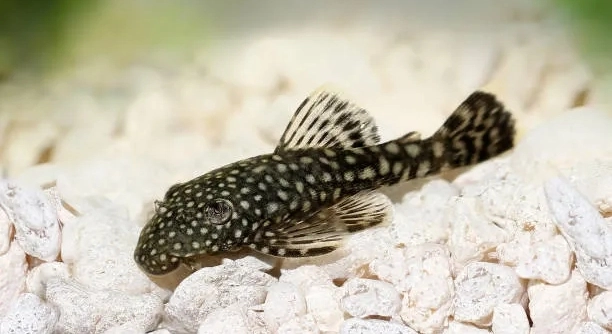
Have you ever looked into your aquarium and noticed your Plecostomus spending hours near the top, basking in the light? Many fish owners enjoy setting up bright, eye-catching tanks, but may not think about how light affects their fish.
Plecostomus fish can get sunburned when exposed to strong, direct light for extended periods. Their natural habitat is shaded and full of hiding spots, so too much artificial or natural light can damage their skin.
Understanding the lighting needs of your Pleco can help prevent unnecessary stress and discomfort while keeping your tank environment safe and healthy.
Why Lighting Matters for Plecos
In the wild, Plecostomus fish live in rivers with shaded areas, driftwood, and rocks. They are mostly active at night and tend to stay hidden during the day. When placed in home aquariums with strong lighting and little cover, they are at risk of overexposure. Bright tank lights, especially those left on for long periods, can lead to stress and even sunburn. This may cause changes in their skin, such as lighter patches or inflammation. It’s important to recreate an environment that mirrors their natural one. This means including places to hide, like caves or plants, and limiting the amount of time bright lights are on. While they can tolerate some light, too much can cause harm. Watching their behavior can help—if they are always avoiding the light or acting restless, it may be time to adjust the lighting. A comfortable setup helps them feel safe and stay healthy.
Too much light can irritate their skin. This is especially true if your tank lacks hiding spots. Plecos need a break from constant light exposure.
A timer can be helpful for managing tank lighting. Aim for 8 to 10 hours of light per day, giving your Pleco enough dark time to rest. Use low-wattage bulbs if possible. Shade from plants and caves can also reduce the risk of damage from direct exposure. If your Plecostomus begins to show pale or red patches, check the tank’s lighting. Making small changes can prevent more serious skin damage. Light should help your tank look nice, but it should never be harmful to the fish living inside it.
How to Keep Your Pleco Safe
Keep an eye on tank lighting and how your Pleco behaves under it. They usually prefer dim spaces and often hide during bright hours.
Choose soft lighting and give them shaded places to retreat. Add driftwood, caves, and plants that help block the light. These not only mimic their natural surroundings but also provide places to rest. If your home gets a lot of sunlight, avoid placing the tank near windows. Direct sunlight can overheat the tank and increase the brightness too much. For tanks without natural shade, artificial plants or rock structures work just as well. It’s also good to give your Pleco a break from lights now and then. Turning them off for part of the day keeps things balanced. If your fish seems less active, stressed, or has patchy skin, light might be the cause. Regular maintenance and thoughtful tank design make a big difference. A calm, shaded environment is key to a healthy, happy Pleco.
Common Signs of Light Damage in Plecos
Plecostomus fish with light damage may show pale, red, or irritated skin. They might also act differently, hiding more or becoming less active. These changes usually happen gradually, so it’s important to pay close attention to daily behavior and appearance.
Skin damage from lighting usually starts on the upper body, where the light hits the most. You might see faded coloring, flaky patches, or even small wounds. Sometimes their behavior changes too—they may stop sucking on surfaces, eat less, or hide all day. These are signs they’re stressed. Even though Plecos are hardy fish, they can’t always handle strong lighting. Acting early helps prevent the issue from getting worse. If you think your Pleco is affected, start by checking the lights, shortening the hours they’re on, or switching to a gentler bulb. Adding hiding spots can also bring relief and help your fish feel more at ease again.
Plecos don’t always show signs right away. Sunburn or stress from light exposure can build over time. That’s why changes in behavior matter. A fish that was once active at night may become sluggish, or may hide even when lights are off. Watch for appetite changes too. A healthy Pleco will eat algae and other food regularly. If yours stops doing that, it could be a signal. Also, check for tiny open sores or swollen areas. These may lead to infections if not treated quickly. It’s best to act early—adjusting lighting and providing more shelter usually helps. A calm space gives them time to heal and return to normal habits.
Preventing Sunburn in Your Tank Setup
Start with soft lighting and natural cover. Look for aquarium bulbs labeled low-intensity or full-spectrum but gentle. Choose a hood with adjustable brightness or use a timer to manage exposure.
When setting up a Pleco-friendly tank, try to mimic what they would have in nature. Add driftwood, stone caves, and leafy plants like Anubias or Java fern. These provide shade and let Plecos rest comfortably throughout the day. Limit the time your tank light stays on—around 8 hours works for most setups. Avoid putting the aquarium near a window, especially if it gets a lot of sunlight. Natural light can heat the tank and create bright spots that are too intense. You can also use floating plants to break up the light and create shaded areas. Regular water changes and clean surfaces also help, since a clean tank improves fish health overall. With small steps, you can protect your Pleco from light stress.
What to Do If Your Pleco Shows Symptoms
Start by reducing the tank’s light exposure. Turn off the lights for longer periods and switch to softer bulbs. Add more hiding spots using rocks, caves, or driftwood to give your Pleco places to rest and feel secure.
Keep the water clean and stable. Poor water quality can slow healing and increase stress. Test the water regularly and perform partial water changes weekly. Watch your Pleco closely for any signs of improvement or worsening skin. If symptoms persist, consult a vet who specializes in fish.
When to Seek Help from an Expert
If your Plecostomus has visible wounds, swollen areas, or isn’t eating for several days, it may be time to seek help. A fish vet can examine your Pleco and recommend treatments, like medicated baths or antibiotics. Professional care is sometimes needed when home changes aren’t enough.
Simple Daily Habits That Help
Keep a routine for lighting and feeding. Check on your Pleco each day, especially after lights come on, to notice changes early.
FAQ
Can Plecostomus fish get sunburned from artificial lights?
Yes, they can. While sunburn in fish may sound strange, Plecostomus can develop light-related skin damage from bright or high-intensity artificial lights. Most home aquariums use LED or fluorescent bulbs, and if these are too strong or left on for too long, the exposure can harm your Pleco’s skin. Over time, this leads to pale patches, redness, or signs of discomfort. Even though they are bottom dwellers, if the tank lacks shade or hiding areas, they are forced to stay exposed. A simple fix is to use softer lighting and limit exposure to around 8 hours a day.
How do I know if my Pleco is getting too much light?
Watch for behavior changes first. A Pleco that’s constantly hiding, acting sluggish, or not feeding like it usually does may be overstressed by light. Skin changes like fading, patchiness, or signs of irritation are also warnings. If you’ve recently upgraded your tank light or changed its position, that could be the reason. Some Plecos may even try to wedge themselves under decorations or behind filters to escape. These signs are usually clear enough to act on. Adjusting your lighting setup and providing shade can make a big difference and help them feel safe again.
Do all types of Plecostomus react the same way to light?
Not always. Some types of Plecos are more sensitive than others. For example, albino or lighter-colored Plecos tend to show damage faster because they lack pigment protection. Bristlenose Plecos are often hardier but still benefit from dim lighting and lots of cover. Wild-caught species may be more sensitive than tank-bred ones since their native environment is shaded by plants and rocks. No matter the type, it’s best to offer a low-light setup and enough shelter. That way, all Plecos—regardless of type—can stay stress-free and healthy in your tank.
What’s the best kind of lighting for a Plecostomus tank?
Go for soft, adjustable LED lights or low-wattage fluorescent bulbs. Full-spectrum lighting is okay if it isn’t too bright and runs on a timer. The key is balance. Your plants might need light, but your Pleco needs shade. You can add floating plants or create shaded areas with tall decorations and caves. Avoid high-output reef lights or any that are designed for intense brightness. A setup that mimics dawn-to-dusk cycles works best. If your light system is too powerful, look for a dimmer or a diffuser to soften it without removing it completely.
Can natural sunlight harm my Pleco?
Yes, direct sunlight can overheat the tank and cause light damage. It also increases algae growth, which can throw off water balance. Try to keep your aquarium away from sunny windows or bright spots in the house. Even filtered sunlight can be too strong over time, especially if the fish has nowhere to hide. Consistent exposure throughout the day may slowly stress out your Pleco. You can block some of this with curtains or tank covers if moving the tank isn’t an option. Artificial lighting gives you better control and keeps things safer.
How can I tell the difference between sunburn and another illness?
Sunburn usually appears as pale, pinkish, or red areas on the upper body—often where the light hits most. It can look like faded skin or irritation, but it doesn’t come with bloating, fin rot, or other signs of infection. If your Pleco is still eating, active at night, and breathing normally, it’s likely light-related. Illnesses tend to show additional symptoms like swelling, rapid gill movement, or fuzzy patches. If you’re unsure, remove excess light and monitor for improvement. If symptoms spread or worsen, check water quality or contact a fish vet for a proper diagnosis.
Final Thoughts
Caring for a Plecostomus means paying attention to more than just feeding and water changes. Lighting plays a bigger role than many people realize. While aquarium lights make your tank look nice, they can also cause harm if not used correctly. Plecos are naturally shy, bottom-dwelling fish that prefer darker spaces. Too much light exposure—especially without hiding spots—can lead to stress and skin damage. Watching for signs like pale patches, redness, or changes in behavior can help you catch problems early. Making simple changes like reducing light hours or adding plants can prevent discomfort and support your Pleco’s health.
A good Plecostomus setup doesn’t have to be complicated. It’s really about balance. Soft lighting, shade, and stable conditions go a long way in keeping your fish comfortable. Caves, driftwood, and leafy plants not only help control the light but also give your Pleco places to rest. Using a timer helps manage how long the lights stay on each day. Keeping the tank away from strong sunlight is another easy fix. These steps might seem small, but they make a big difference over time. A healthy tank setup supports your Pleco’s natural behavior and keeps their stress levels low.
Even though Plecos are known to be hardy, they still need the right environment to thrive. Lighting that’s too strong or left on too long can slowly cause harm. Thankfully, the signs are usually easy to spot if you’re paying attention. Adjusting the light, adding cover, and monitoring changes in behavior can help you avoid long-term issues. If you ever feel unsure, reaching out to a fish vet or doing more research is always a good step. In the end, keeping your Plecostomus safe from light-related problems isn’t just about avoiding sunburn—it’s about creating a space where they feel secure, calm, and healthy.

Hello,
If you enjoy the content that we create, please consider saying a "Thank You!" by leaving a tip.
Every little bit helps us continue crafting quality advice that supports the health, happiness, and well-being of pets around the world, for pets of all shapes, sizes, and species.
We really appreciate the kindness and support that you show us!