
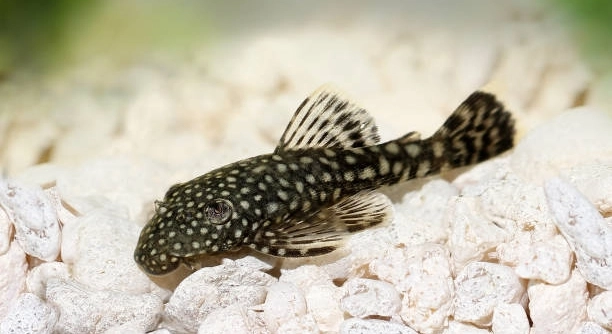
Plecostomus fish are popular in many home aquariums, known for their algae-eating habits and peaceful nature. These fish can be a great addition to any tank, but there are some things to know about their social needs.
Plecostomus fish are generally solitary creatures, and they do not experience loneliness in the way humans or more social fish species do. However, they can benefit from the company of other fish and proper care in their environment.
Understanding how plecostomus fish interact with their environment will help ensure they remain healthy and content in your tank. There are ways to make sure they thrive on their own or with other companions.
Social Needs of Plecostomus Fish
Plecostomus fish are naturally solitary. They do not crave interaction like more social species such as tetras or guppies. However, they are not antisocial either. In the wild, they typically live in larger groups but spend most of their time alone, feeding on algae and hiding in crevices. They are nocturnal and prefer to do their own thing during the day.
In an aquarium, it’s common for plecostomus fish to thrive alone. They do not require constant interaction with other fish to remain healthy. But, it’s important to provide them with enough space to establish their own territory. A crowded tank may cause stress and conflict.
While plecostomus fish don’t actively seek companionship, having a well-balanced aquarium with peaceful tank mates can make the environment more enriching. The presence of other calm fish can help them feel secure, as long as there is enough space and hiding spots. A good tank setup ensures the fish can live without feeling pressured or isolated.
Can They Get Lonely?
Though they aren’t social in the traditional sense, plecostomus fish may show signs of stress if their living conditions aren’t optimal. A lack of proper space or poor water quality can lead to behavioral issues. It’s important to ensure their tank is set up in a way that mimics a natural, comfortable environment.
Plecostomus fish, like many species, have specific needs that go beyond companionship. They require plenty of hiding places, appropriate water parameters, and enough algae or food to graze on. These factors are key to their health. If they feel secure and have plenty of room, they will likely remain content, even without other plecos around.
They do best when they are not overcrowded and when their tankmates are not aggressive. Aggressive fish can cause stress, making the pleco feel uncomfortable, which can affect their well-being. If given enough space, a calm tank environment, and proper care, they won’t experience loneliness in the same way more social species might.
Plecostomus Fish and Tank Mates
Plecostomus fish tend to get along with peaceful tank mates. They are generally non-aggressive, so it’s important to choose fish that share similar temperaments. Fish like guppies, tetras, and peaceful barbs work well. It’s best to avoid aggressive or territorial species.
While plecos don’t seek out companionship, they do benefit from a peaceful environment with other calm fish. They are less likely to feel stressed when housed with non-aggressive species. However, make sure to give them enough space, as plecos can become territorial over food and hiding spots.
Tank mates should also have similar water requirements. Plecostomus fish thrive in slightly acidic to neutral water with a temperature range of 75-80°F. Any tank mates should also be comfortable within these conditions. A compatible tank setup ensures a stress-free environment, allowing plecos to feel safe and secure without constant aggression from other fish.
Creating the Right Environment
Plecostomus fish need a well-planted tank with plenty of hiding spots. Driftwood is an essential addition, as plecos enjoy rasping on it for both food and comfort. Rocks, caves, and plants will provide the necessary shelter and security for them to feel at ease.
An ideal environment not only provides hiding spots but also plenty of algae or supplementary food. In a well-maintained tank, plecos will graze on algae, keeping the tank clean. However, they should still be fed additional food such as sinking pellets to ensure they are properly nourished.
The water quality in the tank is another crucial factor. Plecos are sensitive to poor water conditions. Regular water changes, a good filtration system, and proper tank maintenance will prevent stress and help maintain their health. By creating a balanced habitat, plecos will feel safe and content in their surroundings.
Signs of Stress in Plecostomus Fish
Stress in plecostomus fish can show in several ways. They may stop eating, hide more than usual, or display unusual behavior like rapid swimming or scratching against surfaces. Poor water quality is often the main cause of stress.
If your pleco seems stressed, it’s important to check water parameters first. Ammonia and nitrite levels should be at zero, and the pH should be stable. A drop in water quality can lead to behavioral changes or health issues.
In addition to water issues, overcrowding or aggressive tank mates can also contribute to stress. If these conditions persist, your pleco could experience long-term health problems.
Water Temperature for Plecostomus Fish
Plecostomus fish prefer a steady water temperature between 75-80°F. Fluctuating temperatures can cause them stress and may even make them sick. Using a reliable aquarium heater can help maintain a consistent temperature, which is crucial for their health.
Sudden temperature changes can also weaken the pleco’s immune system, making it more susceptible to diseases. Keeping the tank at a stable temperature will promote overall health and reduce the likelihood of stress.
Maintaining the right temperature is simple, but essential for a thriving pleco. Regularly monitor it to avoid extreme shifts that could affect the fish.
Plecostomus Fish and Feeding
Plecostomus fish are primarily herbivores, grazing on algae in the wild. In an aquarium, they need a steady supply of algae or algae wafers. They also enjoy occasional vegetable-based foods like zucchini or cucumber.
Feeding plecos too much protein-based food can cause health issues, so their diet should be mostly plant-based. Overfeeding is also something to watch out for, as it can lead to water quality problems. Always ensure leftover food is removed promptly to prevent decay.
FAQ
Can plecostomus fish live with other plecos?
While plecostomus fish can live with other plecos, it’s important to give each fish enough space. Plecos are territorial and may become aggressive with each other if the tank is overcrowded. The best way to avoid conflict is to provide plenty of hiding spots and ensure the tank is large enough. If you plan to keep multiple plecos, a bigger tank is recommended to prevent stress or aggression. Keep in mind that different pleco species might have different temperaments, so it’s important to consider this when deciding whether to house multiple plecos together.
How long do plecostomus fish live?
Plecostomus fish typically live for around 10 to 15 years when kept in a well-maintained tank. Some plecos, particularly larger species, can live even longer under optimal conditions. A healthy environment, proper water quality, and the right diet all contribute to a longer lifespan. Regular tank maintenance, such as water changes and cleaning, helps prevent diseases that could shorten their life. However, the size and type of pleco also play a role in their longevity. Smaller species might live a bit shorter, while larger species may reach the higher end of the lifespan range.
How big do plecostomus fish get?
The size of a plecostomus fish varies depending on the species. The most common type, the Hypostomus plecostomus, can grow up to 24 inches long. However, some species, such as the bristlenose pleco, tend to stay smaller, around 4-6 inches. It’s essential to choose the right pleco for your tank size. Larger plecos require more space to thrive and can be a challenge to accommodate in smaller tanks. Be sure to research the species you’re interested in to ensure the tank will be suitable for its adult size.
Do plecostomus fish need a heater?
Yes, plecostomus fish generally need a heater to maintain a stable water temperature between 75-80°F. They are tropical fish and require warm water to stay healthy. Without a heater, temperature fluctuations can stress the fish and lead to health issues. A good aquarium heater helps regulate the temperature, preventing sudden drops or spikes. It’s also important to regularly check the water temperature with a reliable thermometer to ensure it remains consistent. If the temperature drops too low, it can weaken the pleco’s immune system and make it more susceptible to diseases.
Are plecostomus fish good for beginners?
Plecostomus fish can be a good option for beginners, but only if the proper care is provided. They are relatively low-maintenance when it comes to feeding and tank cleaning, as they help control algae. However, plecos require a spacious tank, good filtration, and a consistent water quality. They are not ideal for very small aquariums and need room to grow. Beginners should be prepared for the pleco’s potential size and need to understand the importance of tank maintenance. For those who are willing to provide the right environment, plecos can be a great addition to a beginner’s tank.
What do plecostomus fish eat?
Plecostomus fish are herbivores and primarily graze on algae in the wild. In an aquarium, they can be fed algae wafers, sinking pellets, and fresh vegetables such as zucchini, cucumber, and spinach. They also enjoy driftwood, which helps maintain their digestive health. While plecos are excellent at cleaning algae from the tank, they still need additional food to thrive. Overfeeding protein-based foods like shrimp or meat can cause health problems, so it’s best to stick to plant-based options. Make sure to remove any leftover food to keep the tank clean.
Can plecostomus fish live without algae?
While plecostomus fish can survive without algae, they cannot thrive on it alone. Algae is an essential part of their diet, but it’s not enough to meet all their nutritional needs. In an aquarium, plecos should be provided with algae wafers or other plant-based foods in addition to what they can graze from the tank. A balanced diet is necessary to keep them healthy and avoid malnutrition. If algae is not available, supplementing their diet with vegetables like zucchini or spinach will ensure they get the nutrients they need.
Do plecostomus fish need a lot of oxygen?
Plecostomus fish are not particularly demanding when it comes to oxygen, but they do require well-oxygenated water. They are hardy and can tolerate a wide range of conditions, but poor water circulation can lead to stress. A good filtration system is essential for maintaining clean and oxygen-rich water. It’s also important to ensure proper water movement in the tank, as plecos naturally prefer areas with moderate to strong water flow. A well-aerated tank helps plecos breathe more easily, promoting better overall health.
Can plecostomus fish survive in cold water?
Plecostomus fish are tropical species and require warm water to survive. They do not do well in cold water and can suffer from stress or even death if the water temperature drops below their preferred range of 75-80°F. Cold water can weaken their immune system and make them more susceptible to diseases. It’s crucial to maintain a stable temperature in the tank, using a heater if necessary, to ensure your pleco remains healthy. If the water becomes too cold, the pleco may become sluggish, stop eating, and may eventually perish.
How often should I feed my plecostomus fish?
Plecostomus fish should be fed once or twice a day, depending on their age and activity level. Young plecos may require more frequent feedings, while adult plecos can often go longer between meals. Overfeeding should be avoided, as it can lead to water quality issues. The best feeding schedule includes giving your pleco small amounts of food, such as algae wafers or vegetables, to graze on throughout the day. It’s important to remove any uneaten food after a few hours to prevent water contamination. Keeping a consistent feeding routine will help maintain the health of your pleco.
Final Thoughts
Plecostomus fish are relatively low-maintenance and can make a great addition to a well-maintained aquarium. They are particularly beneficial for keeping your tank clean, as they naturally help control algae growth. However, it’s important to remember that they still require proper care and attention to ensure they thrive. They do best in larger tanks where they have enough space to establish their territory. Overcrowding or keeping them in small tanks can lead to stress, which can affect their health over time.
While plecos are solitary by nature and do not get lonely in the way more social species might, they still benefit from a peaceful and stable environment. They do not need constant interaction with other fish to stay healthy, but a well-planted tank with adequate hiding spots will help them feel secure. Tank mates should be chosen carefully, as aggressive fish can cause stress. Plecos thrive in a tank with peaceful companions that share similar water and temperature preferences. Proper filtration, stable water conditions, and enough hiding spots are essential for their well-being.
In summary, plecostomus fish are not difficult to care for, but they do require the right environment to stay healthy. Keeping them in a spacious tank with proper water quality, temperature, and feeding will ensure they live a long and healthy life. Their solitary nature means they do not need constant companionship, but a peaceful tank with appropriate tank mates and hiding spots is beneficial. By understanding their needs and providing the right care, plecos can be a wonderful addition to your aquarium.

Hello,
If you enjoy the content that we create, please consider saying a "Thank You!" by leaving a tip.
Every little bit helps us continue crafting quality advice that supports the health, happiness, and well-being of pets around the world, for pets of all shapes, sizes, and species.
We really appreciate the kindness and support that you show us!