
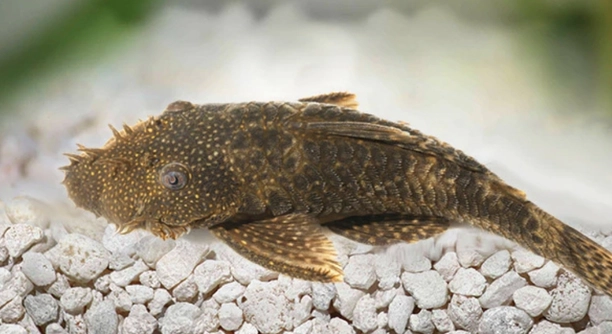
Plecostomus are popular aquarium fish known for their algae-eating abilities. Many aquarium owners wonder if these fascinating fish can change color. In this article, we’ll explore the truth behind this intriguing question and what it means for your pleco.
Plecostomus, or plecos, do not have the ability to change their color in the way chameleons do. However, their color can shift slightly due to factors such as stress, water quality, or lighting. These changes are generally subtle and temporary.
Understanding these factors will help you care for your pleco more effectively and ensure its health in the long term.
Why Do Plecostomus Appear to Change Color?
The idea of plecos changing color often comes from seeing them shift in hue, but the truth is that these fish don’t actually change their color like a chameleon. Instead, they may appear darker or lighter based on their environment and conditions. For example, plecos may look darker when stressed, or in aquariums with less lighting. In some cases, the lighting in your tank could reflect on their bodies, making them seem like they are changing color. Additionally, changes in water quality and temperature can also have a subtle effect on their appearance.
These color changes are usually temporary and not a sign of any permanent shift. The pleco’s natural color is generally a mix of brown and gold, with some having a pattern of spots or stripes. It’s important to maintain stable water conditions and avoid unnecessary stress to prevent frequent changes in appearance.
Plecostomus can also appear lighter or darker based on the substrate and decor of the tank. A tank with darker rocks or wood can make the pleco seem lighter. Similarly, a tank with lighter surfaces may cause the pleco to appear darker. These variations are normal and are a result of the way light interacts with their scales. As long as there are no underlying health issues, these changes are not a cause for concern.
Stress and Environmental Factors
Stress is one of the leading reasons why plecos might look different. When a pleco feels threatened or uncomfortable, it can affect its appearance, making it appear darker or more subdued. Factors such as overcrowding in the tank, aggressive tankmates, or improper water conditions can create an environment where plecos experience stress. If a pleco is constantly stressed, it may struggle to maintain its normal coloration and overall health.
Maintaining stable tank conditions is key to preventing stress. Proper water temperature, pH levels, and adequate filtration are essential. Regular water changes will help keep the environment clean and comfortable for your pleco. Additionally, keeping tankmates that are peaceful and do not harass the pleco is important. Stressful situations can lead to long-term health issues, so creating a calm and healthy habitat is crucial for their well-being.
Plecostomus are sensitive to changes in their environment, and even slight disturbances can have noticeable effects on their appearance. For example, a sudden shift in water temperature or an increase in ammonia levels can cause the fish to become stressed, making it more likely to appear darker or duller. It’s also important to avoid overcrowding your aquarium, as this can increase stress levels and lead to changes in the pleco’s color.
By providing a stable, peaceful environment with clean water, you can help your pleco maintain its usual color and reduce the likelihood of stress-related changes in appearance.
Water Quality and Temperature
Water quality plays a major role in the pleco’s appearance. Poor water conditions can stress your pleco, causing it to appear darker or less vibrant. Regular water changes and proper filtration are necessary to maintain healthy water parameters. Plecos thrive in stable water temperatures, typically between 72°F and 78°F.
When water quality drops, the pleco may become less active and even show signs of illness. This can lead to darker or more muted colors, making it look like the fish is changing its hue. Over time, poor water quality can weaken the fish’s immune system, causing further health problems. Keeping the water clean is essential to maintaining a vibrant and healthy pleco.
If the water temperature is too high or too low, it can cause stress and affect the pleco’s color. Fluctuations in temperature, even by a few degrees, can cause stress, making it harder for the pleco to maintain its typical appearance. Monitoring the temperature regularly and using a reliable heater can prevent issues that might make the pleco appear dull or darker than usual.
The Role of Lighting
Lighting in the tank can significantly impact the pleco’s appearance. Plecos are generally nocturnal and prefer dim lighting, which can make them appear darker. Bright or direct lighting, on the other hand, may cause them to appear lighter, as it reflects off their scales.
It’s important to strike a balance when setting up the lighting in your aquarium. Too much bright light might cause the pleco to appear lighter, while too little light could make it seem darker. This fluctuation is not an indication of a health issue but rather a response to lighting conditions. A dim, ambient light is generally best for plecos, as it mimics their natural habitat.
In addition to their color, lighting affects the pleco’s activity level. Excessive lighting can stress the fish and cause them to hide more often. Maintaining a natural, subdued lighting setup allows plecos to feel comfortable and show their true colors, preventing them from becoming overly stressed or reclusive. Proper lighting encourages a healthier and happier pleco overall.
Age and Maturity
As plecos grow older, their color may change slightly. Younger plecos tend to have brighter, more vibrant hues, while older ones might become darker or more muted. This natural aging process doesn’t indicate a health problem; it’s just a part of their development.
Older plecos also tend to have a more subdued appearance due to the wear and tear on their scales over time. As they grow larger, they might develop a more grayish or brownish tone, but this is a normal change. Keeping their environment stable helps them age gracefully without drastic color changes.
Diet and Nutrition
The diet of a pleco plays an important role in its overall health and appearance. A well-balanced diet that includes algae wafers, vegetables, and occasional protein can help maintain the pleco’s natural color. Malnourished plecos may appear duller due to a lack of essential nutrients.
A lack of proper nutrients can lead to color fading or dullness, making the pleco look unhealthy. To prevent this, ensure the pleco gets a variety of foods that mimic its natural diet. This keeps the fish’s skin healthy, promoting a more vibrant color and better overall well-being.
Tank Environment
The environment where a pleco lives can influence its color, as they thrive in tanks that replicate their natural habitat. A tank with dark substrates, smooth rocks, and plenty of hiding spots will help plecos feel comfortable and show their natural color more vividly.
FAQ
Can plecos change color?
Plecos do not have the ability to change color like chameleons. However, their color can appear to change due to factors such as stress, water quality, lighting, and age. Plecos may look darker when stressed or when conditions in the tank aren’t ideal. Their colors can also shift slightly based on the environment, but these changes are generally temporary and not a true color change.
Why does my pleco look darker than usual?
A pleco may appear darker due to stress, poor water quality, or low lighting. Stressors like overcrowding, aggressive tankmates, or sudden changes in the tank can cause the fish to darken. In some cases, lighting conditions can also make them look darker, especially if the tank has dim lighting or if the pleco is hiding in the shadows.
What causes plecos to appear lighter?
Plecos may appear lighter under brighter lighting or when they are in more open spaces where light can reflect off their scales. In some cases, plecos that are healthier or more active might look lighter as well, but this is simply due to light interacting with their body. Lighter coloration can also be a sign of stress if the fish is too exposed to strong lighting.
How can I help my pleco maintain its color?
To maintain a pleco’s natural color, focus on creating a stable and comfortable environment. This includes keeping water quality high with regular water changes and filtration, ensuring the temperature remains stable, and avoiding overcrowding. Providing a tank setup with subdued lighting and plenty of hiding spots can also help. Offering a balanced diet will also promote healthy skin and coloration.
Is it normal for a pleco’s color to change as it ages?
Yes, as plecos grow older, their color can change slightly. Younger plecos tend to be brighter and more vibrant, but as they age, they may appear darker or more subdued. This is a normal part of their aging process and is not a sign of illness. With proper care, the pleco will continue to thrive as it matures.
What should I do if my pleco’s color looks faded?
If your pleco’s color appears faded, it could be a sign of poor water quality, stress, or malnutrition. Ensure the water in the tank is clean and that all parameters (like pH, ammonia levels, and temperature) are within the appropriate range for plecos. Check for signs of stress, such as hiding or lethargy, and make adjustments to reduce those stressors. Providing a varied and nutrient-rich diet will also help brighten the pleco’s color.
Can I adjust the lighting to help my pleco’s color?
Yes, lighting plays a significant role in how a pleco’s color appears. Using subdued, ambient lighting can help maintain a pleco’s natural color. Too much bright light can cause the fish to appear lighter, while dim lighting can make them appear darker. Plecos are naturally nocturnal and prefer dimmer conditions, so finding a balance in your tank’s lighting will keep your pleco comfortable and healthy.
What kind of diet helps improve a pleco’s color?
A well-balanced diet that includes a variety of foods such as algae wafers, vegetables (like zucchini and spinach), and occasional protein sources (like shrimp or bloodworms) is essential for a healthy pleco. A diet rich in nutrients helps maintain the pleco’s natural color and overall health. Poor nutrition can lead to dull or faded coloration, so it’s important to feed your pleco a diet that mimics what it would eat in the wild.
Do plecos change color when they are stressed?
Yes, plecos can appear darker or more muted when they are stressed. Stress can result from poor water conditions, overcrowding, aggressive tankmates, or sudden changes in their environment. If your pleco is frequently changing color or looks more subdued, it’s important to check the tank’s conditions and try to reduce any stressors. A stable and peaceful environment will help the pleco maintain its natural color.
Can plecos get too much light?
Yes, plecos can get too much light. Overexposure to bright lights can cause stress and affect their color, making them appear lighter or even pale. Plecos are nocturnal and prefer lower lighting conditions, so it’s best to use dim lighting in the tank or provide plenty of hiding spots where they can escape bright lights. If your pleco seems to be avoiding the light, it may be a sign that the lighting is too harsh for them.
Does water temperature affect a pleco’s color?
Yes, water temperature can affect a pleco’s color. If the water is too warm or too cold, it can cause stress, which may lead to darker or duller colors. Plecos generally thrive in water temperatures between 72°F and 78°F (22°C to 26°C). Keeping the water temperature within this range helps ensure the pleco’s health and natural coloration.
Why does my pleco hide all the time?
It’s normal for plecos to hide, especially during the day since they are nocturnal. However, if your pleco is hiding excessively, it could be a sign of stress. Possible causes include aggressive tankmates, bright lighting, or poor water quality. Check the tank environment for any stress factors and make adjustments to help your pleco feel more comfortable.
Final Thoughts
Plecostomus are fascinating fish with unique characteristics, and while they may appear to change color at times, it’s important to understand the reasons behind these changes. The most common causes are stress, water quality, and lighting conditions, which can all influence how a pleco looks. While they don’t have the ability to change color like chameleons, subtle shifts in their appearance are often temporary and related to their environment. Understanding these factors is key to maintaining a healthy and happy pleco.
Providing a stable and clean environment is essential for your pleco’s well-being. Keeping the water quality high, ensuring the temperature remains consistent, and offering proper lighting will help prevent unnecessary stress. Stress is one of the leading factors that can cause color changes in plecos, so minimizing stressors like overcrowding or aggressive tankmates is important. Ensuring your pleco has a peaceful tank with plenty of hiding spots and proper lighting will allow them to feel more secure and comfortable in their home.
Lastly, diet plays an important role in the overall health and appearance of your pleco. A balanced diet, including algae wafers, vegetables, and occasional protein, will help keep your pleco healthy and vibrant. Malnutrition can lead to dull or faded colors, so it’s crucial to feed your pleco a well-rounded diet. Regular care, along with monitoring water conditions, will help maintain the best environment for your pleco to thrive and show its true colors.

Hello,
If you enjoy the content that we create, please consider saying a "Thank You!" by leaving a tip.
Every little bit helps us continue crafting quality advice that supports the health, happiness, and well-being of pets around the world, for pets of all shapes, sizes, and species.
We really appreciate the kindness and support that you show us!