
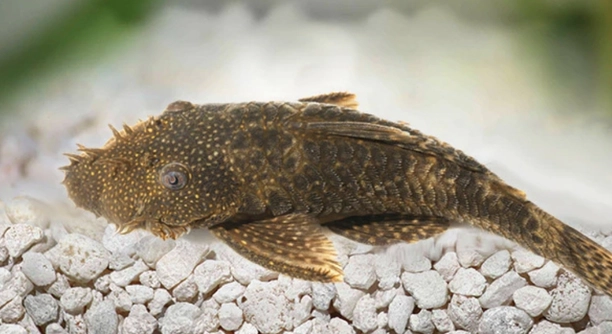
Plecos are popular freshwater fish, known for their ability to clean tanks by eating algae. As a pet owner, it’s essential to understand their specific needs to ensure they thrive. One key factor is water temperature.
Plecos are tropical fish and generally require warmer temperatures to thrive, typically between 74°F and 80°F. While they can tolerate cooler conditions for short periods, prolonged exposure to low temperatures can negatively affect their health and activity.
Understanding the right temperature for your plecos is crucial to maintaining their well-being. Adjusting their environment accordingly can help them live a long, healthy life in your aquarium.
Ideal Temperature Range for Plecos
Plecos are native to warm waters, so maintaining the right temperature is essential for their health. They are most comfortable in temperatures between 74°F and 80°F, where they remain active, feed well, and grow at a steady pace. If the water gets too cold, they can become sluggish and more susceptible to diseases. Keeping the water temperature within this range also supports their metabolism and immune system, ensuring they live a long life in your aquarium.
Even though they can survive in temperatures lower than their ideal range, prolonged exposure can lead to stress and health problems. It’s important to regularly monitor the water temperature to avoid any issues.
A reliable aquarium heater is a good investment for maintaining a stable temperature. You may need to adjust it seasonally if you live in an area where temperatures fluctuate significantly. Consistent warmth helps your plecos thrive, making sure they stay active and healthy.
How Cold Temperatures Affect Plecos
Cold temperatures can have serious consequences for plecos. When the water dips below 70°F, their metabolism slows down, and they may not feed properly. This affects their growth and overall health.
In addition to physical impacts, cold temperatures can lead to stress. Stress weakens the immune system, making plecos more vulnerable to infections and diseases. As a result, their lifespan may shorten. Keeping the water in the ideal range prevents these risks and supports their natural behaviors, like grazing on algae and exploring their environment.
If your plecos are showing signs of lethargy or not eating, it’s a good idea to check the water temperature immediately. Ensuring they have the right warmth will allow them to stay active, healthy, and help your tank maintain its ecosystem. A thermometer placed inside the tank can make it easier to track temperature changes.
Ways to Maintain Warm Water for Plecos
A reliable aquarium heater is the most effective way to maintain a consistent temperature for your plecos. It helps keep the water warm even in cooler environments, ensuring that the temperature remains within their ideal range. Heaters come in various sizes and types, so be sure to choose one suitable for your tank size.
If you’re using a heater, check the temperature regularly with a thermometer. Some heaters have built-in thermostats, but it’s always a good idea to have a separate thermometer to monitor any fluctuations.
It’s also important to place the heater in a part of the tank with good water circulation, as stagnant water can cause temperature inconsistencies. If you live in a region with extreme temperature drops, consider investing in a backup heater to prevent any sudden changes.
The Risks of Cold Water Stress
Cold water can significantly affect your pleco’s health. When the water temperature drops, plecos become less active and may stop eating altogether. This can lead to malnutrition, making them weak and vulnerable to diseases. Over time, if the temperature remains low, it can cause long-term damage.
It’s crucial to address cold water issues quickly by adjusting the heater or taking other corrective measures. If the temperature stays low for too long, it could be fatal. Regular water testing and maintenance of the tank’s environment are key to keeping your plecos healthy.
Ensuring that your plecos are kept in warm, stable conditions will give them the best chance to thrive and maintain their natural behaviors. This also makes them more likely to thrive alongside other tankmates, creating a healthier aquatic environment.
What to Do if the Water Gets Too Cold
If you notice the water temperature has dropped below the ideal range, act quickly. Turn up the heater and check the temperature with a thermometer to ensure the water is heating up properly. If the heater isn’t working, consider replacing it immediately.
If the temperature continues to drop despite the heater being on, it might be due to the room temperature being too low. In this case, try moving the tank to a warmer area or adding insulation around the tank to help retain heat.
Sometimes a backup heater or a more powerful model might be necessary to maintain stable temperatures, especially during colder months.
Keeping Your Plecos Active and Healthy
A stable temperature doesn’t just help plecos stay healthy, but it also keeps them active. When the water is the right temperature, they are more likely to engage in natural behaviors like scavenging for food and exploring their environment.
Maintaining proper temperature levels also ensures that they are digesting their food well and staying strong. Healthy plecos are less stressed and more likely to exhibit normal activity, which makes for a more pleasant aquarium experience overall.
Regularly monitor the water to ensure it’s within the ideal range, and you’ll notice a significant difference in their overall well-being.
How to Tell if Your Plecos Are Cold-Stressed
Cold-stressed plecos exhibit certain signs, such as reduced movement and a lack of appetite. If they’re spending a lot of time in one spot, or if their behavior seems sluggish, it could be a sign that the water temperature is too low for comfort.
FAQ
What temperature is considered too cold for plecos?
Plecos generally thrive in temperatures between 74°F and 80°F. Anything below 70°F is considered too cold for them. Prolonged exposure to lower temperatures can weaken their immune system, leading to health issues and affecting their overall well-being. If you notice your pleco becoming sluggish or refusing food, it’s a sign the water might be too cold for them.
Can plecos survive in cooler temperatures for short periods?
Yes, plecos can survive in cooler temperatures for short periods, but it’s not ideal. They may become less active and stop feeding, which can affect their health in the long run. If the temperature only drops temporarily, they will likely recover once it returns to the appropriate range. However, consistently cold water is stressful for them and should be avoided.
How can I raise the temperature of my tank quickly?
To raise the temperature quickly, turn up your aquarium heater. Make sure the heater is appropriate for the size of your tank. You can also place the tank in a warmer room or use insulating materials around the tank to help retain heat. However, it’s important to raise the temperature gradually to avoid shocking the fish.
Can I use a regular room heater to warm my aquarium?
It’s not recommended to use a room heater to warm your aquarium. While room heaters can raise the room temperature, they won’t provide consistent heat directly in the water. This can lead to uneven temperature distribution, stressing your plecos. A dedicated aquarium heater is the best way to ensure stable temperatures.
Do plecos need a heater in the tank?
Yes, plecos need a heater to maintain a stable temperature in the tank, especially if you’re in an area with cooler temperatures. A heater will help keep the water within the ideal range of 74°F to 80°F. Without a heater, the water may fluctuate too much, which can cause stress and lead to illness.
What if my plecos are not eating due to cold water?
If your plecos stop eating because of cold water, the first step is to raise the temperature of the tank to the proper range. Once the water warms up, they may begin eating again. If they still refuse food, check for other possible issues, such as water quality or signs of illness.
How do I know if my plecos are stressed from cold temperatures?
Cold-stressed plecos often show signs like reduced movement, lethargy, hiding more often, or refusing to eat. If you notice any of these behaviors, check the water temperature immediately. A thermometer can help you monitor the water and adjust the heater if needed.
Can I use a thermostat to control the heater temperature?
Yes, using a thermostat with your heater is a great idea. Many aquarium heaters come with built-in thermostats, but having a separate, adjustable thermostat gives you more control over the temperature. This ensures your plecos stay within their preferred range of warmth, preventing stress from sudden temperature changes.
Is it safe to adjust the temperature quickly?
It’s best to adjust the temperature gradually. Sudden changes can shock your plecos, which may lead to stress or illness. Raise the temperature slowly by a couple of degrees over several hours or a day. This will allow your plecos to adjust without causing harm to their health.
What happens if I don’t maintain the correct temperature for my plecos?
If you don’t maintain the correct temperature, your plecos can become stressed and more prone to illness. Cold water affects their metabolism, appetite, and immune system. Over time, this can lead to stunted growth, lethargy, and a shorter lifespan. Consistent, proper temperature helps keep them healthy and active.
Can plecos live with other fish in colder water?
While plecos can live with other fish, it’s important to ensure all species are kept within the proper temperature range. Some fish may tolerate cooler water, but the pleco will suffer. If you want to keep other cold-water fish with plecos, you may need to adjust the water temperature to suit the needs of all tank inhabitants.
Should I use a backup heater during winter?
It’s a good idea to use a backup heater during winter, especially if you live in an area where temperatures fluctuate dramatically. A backup heater ensures that your plecos won’t be exposed to sudden drops in temperature, which can lead to health problems. Having a second heater on hand can be a lifesaver if your main one fails.
Can plecos tolerate seasonal temperature changes?
Plecos can tolerate minor seasonal changes in temperature, but sudden or extreme shifts can be harmful. If temperatures drop during colder months, it’s essential to use a heater to maintain a stable environment. Regularly check the water temperature to avoid any sudden fluctuations that could stress your plecos.
How do I maintain a stable water temperature year-round?
To maintain a stable temperature year-round, invest in a high-quality aquarium heater with a built-in thermostat. Additionally, use a room heater in the tank’s area during the winter, or insulate the tank to retain heat. Always monitor the water with a thermometer to ensure it stays within the ideal range for your plecos.
Can plecos survive without a heater in warmer climates?
In warmer climates, plecos may not need a heater if the room temperature remains consistently within the ideal range of 74°F to 80°F. However, it’s still important to monitor the water temperature, as temperature fluctuations can still occur. If temperatures drop unexpectedly, a heater will help maintain stability.
Final Thoughts
Maintaining the right temperature for your plecos is essential for their health and well-being. As tropical fish, they thrive in warmer water, typically between 74°F and 80°F. Anything lower can cause stress, make them inactive, and lead to health problems. If the temperature drops too much, plecos can stop eating, become sluggish, or even develop illnesses. For the best results, investing in a reliable heater is key to ensuring they stay in their preferred temperature range, especially during colder months. Monitoring the water regularly with a thermometer is also important to avoid any sudden fluctuations that could cause harm.
While plecos can survive in cooler temperatures for short periods, it’s not ideal for their long-term health. Cold water affects their digestion, immune system, and overall activity level. If your plecos are showing signs of distress, such as lethargy or a lack of appetite, it’s crucial to check the water temperature and adjust it accordingly. Consistent warmth helps them remain active, eat properly, and engage in natural behaviors, such as cleaning the tank and exploring their surroundings. Ensuring that the water stays within the optimal range will allow your plecos to grow and thrive in a healthy environment.
Ultimately, the key to keeping plecos happy and healthy is maintaining a stable and warm water environment. Small fluctuations in temperature can cause stress, so investing in a quality aquarium heater and a thermometer is highly recommended. Keep an eye on your plecos and their behavior—if they’re acting sluggish or seem off, the water temperature might be the issue. By taking these simple steps, you can ensure your plecos lead a long, healthy life in your tank.

Hello,
If you enjoy the content that we create, please consider saying a "Thank You!" by leaving a tip.
Every little bit helps us continue crafting quality advice that supports the health, happiness, and well-being of pets around the world, for pets of all shapes, sizes, and species.
We really appreciate the kindness and support that you show us!