
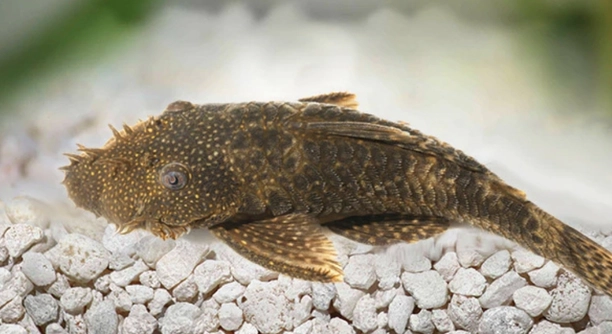
Have you ever worried if your pleco can handle cooler water temperatures during the winter or after a water change?
Most plecos are tropical fish and require warm water to stay healthy. While some species may tolerate brief exposure to cooler temperatures, long-term survival in cold water can lead to stress, illness, or even death.
Knowing the temperature needs of your pleco can help you create a more stable, healthier environment for your fish year-round.
Why Warm Water Matters for Plecos
Plecos are tropical freshwater fish that do best in water temperatures between 74°F and 80°F. This range supports their immune function, digestion, and general well-being. When the water gets too cold, their metabolism slows down, making them less active and more vulnerable to infections and stress. Some people may notice their plecos stop eating or hide more often when the tank temperature drops. These changes are signs that the environment isn’t suitable. Cold water can also affect how well the pleco’s internal organs function over time. Even if the fish doesn’t show immediate signs of illness, long-term exposure to cooler conditions can weaken its overall health. If you’re keeping a pleco in an outdoor pond or an unheated tank, it’s important to monitor seasonal temperature changes and be prepared with a heater if needed. A stable, warm environment supports a longer, healthier life for your pleco.
Plecos are not suited for cold-water tanks and can become ill if their temperature needs are not met.
Keeping your tank within the right temperature range is a simple way to avoid problems later on. Many issues with plecos can be prevented just by ensuring the water stays consistently warm. Monitoring this helps your pleco feel safe and stay active.
What Happens When Plecos Get Too Cold
When plecos are kept in cold water for too long, their health declines quickly. In cooler conditions, they often become sluggish and may stop eating altogether. You might also notice their colors fade, or their fins begin to show damage. These signs are early warnings of more serious issues. Over time, low temperatures can impair immune function, increasing the risk of bacterial and fungal infections. Plecos kept in water that is too cold may develop bloating, difficulty breathing, or even experience organ failure. These problems are harder to treat once they appear, especially if the fish’s body has already weakened. Some species like bristlenose plecos can handle short drops in temperature better than others, but none should be kept in cold water long-term. It’s always better to prevent issues by checking your tank temperature regularly, using a reliable heater, and making sure any water changes don’t lower the temperature too much.
Signs Your Pleco Is Affected by Cold Water
A pleco exposed to cold water may seem less active, eat less, and spend more time hiding. These changes are early signs that something isn’t right and that the water temperature may be too low for comfort.
As the cold exposure continues, you may notice your pleco becoming more sluggish, losing interest in food entirely, and showing faded coloration. Some plecos may lie motionless on the tank bottom or near the filter, trying to stay warm. Fin deterioration and rapid breathing can also occur, indicating stress and potential infections. These signs should not be ignored, as they often get worse with time. If a pleco is consistently showing these symptoms, it’s important to act quickly. Raise the tank temperature gradually and monitor for improvements. Quick adjustments to the environment can help prevent serious health problems and improve your fish’s behavior, appetite, and energy levels.
Temperature-related stress can also weaken the pleco’s immune system, making it more likely to develop secondary infections like fin rot, ich, or mouth fungus. Once a fish becomes sick, recovery is more difficult, especially if its body is already weakened by cold stress. You might see white patches on the skin or notice the fish gasping near the surface. These conditions often require treatment with medications, but the first step is always restoring proper temperature. In many cases, adjusting the water and providing a warmer, consistent environment can help the fish stabilize. Acting quickly helps prevent long-term damage, giving your pleco the best chance at recovering fully and staying healthy going forward.
How to Keep the Water Warm Enough
The easiest way to keep your pleco safe is by using an adjustable aquarium heater. Choose one rated for your tank’s size, and make sure it keeps the water between 74°F and 80°F. Check the temperature regularly with a separate thermometer.
Placement of the heater matters too. Position it where water flows freely, like near the filter output, so warm water circulates evenly. In larger tanks, a second heater on the opposite side may be needed. During winter or if your home is cold, consider using an insulated tank cover or room heater. Avoid placing tanks near drafty windows or cold walls. Always monitor after water changes, as adding cooler water can cause sudden drops. Use warm, treated water to match the tank temperature as closely as possible. Also, avoid turning off heaters at night. Plecos need stable warmth, not fluctuating conditions. A few careful steps go a long way in keeping your pleco safe and active.
Common Mistakes That Lower Water Temperature
Leaving the tank near windows or vents can cause temperature drops, especially at night or during cold weather. Sudden cold drafts or direct contact with chilly surfaces can affect the tank more than you might expect.
Using room-temperature water for large water changes can drop the overall tank temperature too quickly. This stresses plecos and makes them more likely to get sick.
Species That Handle Cooler Water Better
Some pleco species, like bristlenose plecos, can tolerate slightly cooler temperatures for short periods. However, even these fish still need warm water long-term to thrive. Rubber lip and clown plecos are also more adaptable than other types, but temperature stability remains important. Cold conditions should never be the norm for any pleco. If you’re unsure about your pleco’s needs, check the care guidelines for its specific species. Most plecos are tropical and will always do better in a consistently warm setup. Even more “hardy” varieties should not be kept in unheated tanks for extended periods, as their health can still be affected over time.
When to Use a Backup Heater
Use a backup heater if your main one is unreliable or if your tank is in a cold room. It helps maintain consistent warmth.
Can plecos survive in cold water for a short time?
Plecos can survive in cold water for a short time, but it’s not ideal for their long-term health. If exposed to temperatures below their required range of 74°F to 80°F, their immune systems weaken, making them more vulnerable to diseases. They might become sluggish or stop eating, showing signs of stress. The cold also affects their metabolism, slowing it down and putting strain on their organs. While brief exposure to cooler water might not immediately harm them, it is important to return them to a warmer environment as soon as possible to prevent further complications.
How do I know if my pleco is too cold?
If your pleco is too cold, you might notice a few telltale signs. The fish may become less active, spend more time at the bottom of the tank, or hide in dark corners. They may stop eating or be slow to respond to feeding. Additionally, their color may become duller, and their fins could show signs of damage. In more extreme cases, you might observe them gasping for air at the surface, struggling to breathe. If these symptoms appear, check your tank’s temperature immediately. If it’s outside the ideal range, adjust the heater to warm it up gradually.
Can plecos handle fluctuating water temperatures?
Plecos do not tolerate fluctuating water temperatures well. Sudden changes can cause stress, making the fish more susceptible to diseases. Plecos prefer a stable environment, with temperatures staying within their ideal range. Constant fluctuations can weaken their immune system and lead to health issues such as skin lesions, weakened fins, and overall lethargy. To maintain a stable environment, use a quality aquarium heater and thermometer to regularly check the water temperature. Avoid sudden temperature changes when performing water changes or introducing new fish.
Can plecos live in an unheated tank?
It is not recommended to keep plecos in an unheated tank. As tropical fish, they require consistent warmth to thrive. An unheated tank can cause the water temperature to drop, leading to health problems for your pleco. Even if the water stays within a tolerable range, prolonged exposure to cooler conditions can make them vulnerable to illnesses. If you’re unable to maintain a heated environment, it’s better to choose a hardier species of fish that can tolerate colder temperatures, such as goldfish. However, for plecos, it’s essential to maintain a stable temperature to ensure their well-being.
What is the ideal water temperature for plecos?
The ideal water temperature for plecos falls between 74°F and 80°F. This range supports their metabolism, immune function, and overall health. Water temperatures outside this range can cause significant stress and health issues. Temperatures below 74°F can slow down their digestion, making it harder for them to absorb nutrients. On the other hand, water temperatures above 80°F can increase their metabolic rate, which can lead to premature aging or organ damage if maintained for long periods. Always use an aquarium heater to regulate the temperature and keep it stable within the preferred range.
How often should I check the water temperature for plecos?
It is a good practice to check the water temperature in your pleco’s tank at least once a day. Changes in room temperature or equipment malfunction can quickly alter the tank’s temperature, leading to stress or health problems for your fish. A thermometer placed in the tank will help you monitor the temperature consistently. During colder months, check more often to ensure the heater is working properly and that the water temperature remains stable. Regular monitoring is key to preventing temperature-related health issues and ensuring a safe environment for your pleco.
Can plecos live in ponds with cold water?
Plecos are not suited for ponds with cold water, especially in climates where temperatures drop below 74°F. While some species can tolerate lower temperatures for short periods, prolonged exposure to cold water will weaken their immune system and lead to health issues. In outdoor ponds, water temperature can fluctuate drastically, and it is difficult to maintain the warmth plecos need. If you are considering keeping plecos outdoors, you need a heated pond or an indoor tank with a reliable heater to keep the water within the ideal range. Otherwise, it’s better to choose species more suited to outdoor conditions.
Can plecos live with goldfish in cold water tanks?
While goldfish can tolerate cooler temperatures, it is not advisable to keep plecos with them in a cold water tank. Plecos are tropical fish that need warmer water to survive and thrive, while goldfish can manage in temperatures as low as 60°F. The temperature differences between the two species create a situation where neither can live comfortably in the same tank. Goldfish may thrive in cooler temperatures, but plecos will suffer from the cold, leading to stress and illness. It is best to house these two types of fish separately, each in environments that meet their specific needs.
How can I warm up the water for my pleco quickly?
To warm up the water for your pleco safely, use an aquarium heater set to the appropriate temperature range of 74°F to 80°F. Avoid raising the temperature too quickly, as rapid changes can cause shock. If you don’t have a heater, you can perform partial water changes with water that’s slightly warmer than the tank’s current temperature, but be sure not to overdo it. Always check the temperature regularly to avoid overheating, as plecos are sensitive to drastic changes. It’s best to make gradual adjustments and monitor the tank closely until it reaches the ideal temperature.
What is the best heater for a pleco tank?
The best heater for a pleco tank is one that is reliable, adjustable, and appropriate for the size of your tank. Look for a submersible heater with an automatic shut-off feature to prevent overheating. A quality aquarium heater should maintain a consistent temperature, which is vital for plecos. For tanks 20 gallons or smaller, a 50-watt heater should suffice, while larger tanks may need more powerful heaters, such as 100-watt or 200-watt options. It’s important to choose a heater with a thermostat that can keep the water within the ideal range. Always read reviews and choose a trusted brand to ensure the heater works effectively.
Final Thoughts
Maintaining the right water temperature is crucial for the health of your pleco. These tropical fish require a stable, warm environment to thrive. Temperatures between 74°F and 80°F are ideal, and any fluctuations outside this range can cause stress and lead to health problems. Cold water can significantly weaken your pleco’s immune system, making it more vulnerable to diseases. While some species can tolerate lower temperatures for brief periods, it’s important to understand that their long-term well-being depends on consistent warmth. If the water temperature drops, your pleco’s digestion, activity, and overall health may suffer.
To keep your pleco healthy, it is essential to monitor the water temperature regularly. Using a reliable aquarium heater and thermometer will help you maintain a stable environment. Avoid placing the tank near windows, vents, or doors that could expose the fish to drafts or rapid temperature changes. If you notice your pleco acting sluggish or not eating, check the water temperature to see if it’s too cold. Sometimes, simple adjustments like raising the heater setting or performing gradual water changes can help restore the ideal conditions. Being proactive about temperature management can prevent many health issues.
In summary, while plecos are hardy fish, they still require specific care to remain healthy. Keeping their tank in a stable, warm environment is key to their long-term survival. Always be mindful of the temperature fluctuations that can occur naturally in your home or due to equipment failure. A backup heater and regular temperature checks will go a long way in preventing problems. If you’re ever unsure about the best practices for maintaining your pleco’s habitat, researching your specific pleco species can provide additional insight. Ensuring they have a consistent, comfortable environment is the best way to support their health and well-being.

Hello,
If you enjoy the content that we create, please consider saying a "Thank You!" by leaving a tip.
Every little bit helps us continue crafting quality advice that supports the health, happiness, and well-being of pets around the world, for pets of all shapes, sizes, and species.
We really appreciate the kindness and support that you show us!