
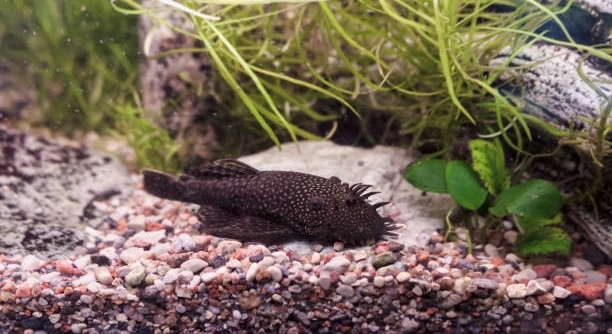
Plecos and Corydoras are two popular fish species commonly kept in home aquariums. Both are known for their peaceful nature and unique characteristics. Understanding whether they can share a tank is important for their health and well-being.
In general, plecos and Corydoras can coexist peacefully in the same tank. Both species are bottom dwellers, which means they occupy similar areas of the aquarium. However, tank size, water conditions, and species compatibility must be considered.
Knowing how these fish interact with one another and how to maintain a healthy environment for them is key to successful tank-sharing. Understanding the right conditions can help prevent any potential issues.
Can Plecos and Corydoras Live Together?
Plecos and Corydoras are both peaceful fish that thrive in aquariums. They have different feeding habits, but both can coexist if the environment is set up correctly. Plecos are larger and might grow bigger than Corydoras, which could make some aquarium owners wonder if they’ll get along. Understanding their natural behaviors and needs is important for ensuring they share a tank peacefully. When considering whether these two species can live together, it’s essential to look at factors like tank size, water conditions, and the type of pleco chosen. Smaller plecos are usually better suited for a shared tank with Corydoras, as they won’t overwhelm the smaller fish.
Choosing the right tank setup will make all the difference in keeping both species happy and healthy.
Plecos tend to be nocturnal, which means they’re less active during the day. Corydoras are also calm and bottom-dwelling, so they typically won’t compete for space. If the tank has enough hiding spots and room for both species to explore, the chances of peaceful cohabitation increase.
Tank Conditions and Requirements
For both species to thrive together, water temperature and quality need to be consistent. Plecos prefer slightly warmer temperatures, while Corydoras do best in slightly cooler water. However, this difference is minimal, so maintaining an ideal middle ground will work. Both fish enjoy well-filtered water, and regular water changes are necessary. Tank size is another important factor. A larger tank will reduce stress and give each species enough space to swim freely without feeling crowded. If you can, aim for a 30-gallon tank or larger to provide enough room for both species to feel comfortable. This will help prevent territorial behaviors from forming.
In addition to proper filtration, the tank should also have a gentle current. Plecos like to have smooth surfaces to graze on, while Corydoras enjoy rummaging through the substrate. A sandy substrate is ideal for them, as it allows Corydoras to dig and forage without injury. Adding plants and hiding spots is also a good way to create a comfortable environment. Both species will appreciate having places to hide or explore, especially if you have multiple plecos or Corydoras in the same tank. With the right care, these fish can live harmoniously together.
Potential Issues to Consider
Even though plecos and Corydoras can generally live together, some issues might arise. Plecos are larger and could accidentally harm smaller fish when they move around the tank. Additionally, plecos have sharp spines that may unintentionally irritate or injure Corydoras.
Another potential issue is food competition. While plecos are algae eaters, they can sometimes overtake the tank’s food supply, leaving Corydoras hungry. This is particularly a concern if the pleco is large or particularly active. To ensure both species are fed properly, you might need to feed them separately. Corydoras are bottom feeders and will often eat leftovers from the pleco. However, if the pleco is aggressive about food, Corydoras could miss out on their share.
Maintaining a feeding schedule and offering both species their favorite foods can reduce the risk of competition. Plecos do well with sinking pellets or wafers, while Corydoras will happily eat similar food, along with some small live or frozen options like brine shrimp or bloodworms. By paying attention to their feeding habits, you can help prevent conflicts over food.
Monitoring Behavior
It’s important to watch how the fish interact, especially in the early days of them living together. Plecos are usually calm but can sometimes become territorial, particularly larger plecos. If you notice aggression, it could be a sign that the pleco is asserting dominance over the space. Corydoras are generally peaceful and won’t fight back, which could lead to stress or injury.
To monitor behavior, spend time observing their activities, particularly during feeding time. If you notice that the pleco is dominating the food or space, you may need to intervene. Moving the fish around or separating them for feeding can make a big difference. If aggression is more consistent, it may be best to separate the species to avoid harm. Ensuring the aquarium has plenty of hiding spots and territory will help reduce the chances of aggression.
Feeding Plecos and Corydoras Together
Feeding both species together can be tricky. Plecos are mainly algae eaters but also consume leftover food. Corydoras, on the other hand, are bottom feeders that benefit from sinking pellets. To avoid competition, feed each species separately to ensure they get enough nutrition.
Try feeding plecos at night when they are more active. This allows Corydoras to get their share during the day. Make sure there are enough food options to meet the needs of both species. If necessary, offer algae wafers for plecos and sinking pellets for Corydoras to maintain a balanced diet.
Tank Size and Setup
A large enough tank is essential for these two species to live peacefully together. Aim for a tank of at least 30 gallons, with plenty of space for both species to explore. Having enough room will reduce stress and prevent territorial behavior. A larger tank also helps maintain stable water conditions.
In addition, having a varied substrate with smooth rocks, plants, and hiding spots is essential. Plecos prefer smooth surfaces to graze on, while Corydoras love to sift through the sand. A well-maintained tank with diverse features can support both species comfortably.
Compatibility with Other Fish
While plecos and Corydoras are typically peaceful, they may not always get along with other species. Plecos can sometimes show aggression towards tank mates, especially if they feel threatened or are crowded. Corydoras are peaceful and usually do well with non-aggressive species.
FAQ
Can plecos and Corydoras live together in a 20-gallon tank?
It’s possible for plecos and Corydoras to live together in a 20-gallon tank, but it’s not ideal. Plecos can grow large, and a 20-gallon tank may not provide enough space for both species to thrive. For peaceful cohabitation, a larger tank, like a 30-gallon or more, would be better. This will ensure there’s enough space for both to move around without feeling crowded. It also helps maintain water quality and reduces stress. If you must keep them in a 20-gallon, consider choosing a smaller pleco species, such as the Bristlenose pleco, which doesn’t grow as large as others.
Do Corydoras need the same water conditions as plecos?
Corydoras and plecos generally have similar water needs, though there are small differences. Corydoras do best in slightly cooler temperatures, between 72-78°F, while plecos prefer slightly warmer water, around 75-80°F. However, this difference is small enough that both species can adapt to a middle range, around 76-78°F. Both types of fish prefer soft, slightly acidic to neutral water. Maintaining proper water parameters through regular water changes and monitoring pH will help create a suitable environment for both.
Will plecos eat Corydoras?
No, plecos do not typically eat Corydoras. Plecos are primarily herbivores and are more interested in algae, plants, and detritus than in eating other fish. However, larger plecos might display aggressive behaviors, especially if they are overcrowded or stressed, so it’s important to monitor their interactions. Corydoras are small and peaceful fish, so as long as the pleco isn’t overly territorial, they should be safe from being eaten. Providing plenty of hiding spaces can reduce stress for Corydoras, which will help minimize any potential conflict with the pleco.
How much space do plecos need compared to Corydoras?
Plecos need significantly more space compared to Corydoras, especially if you are housing a larger species. Plecos can grow quite large, up to 18 inches or more in some cases, and require room to move around comfortably. A 30-gallon tank or larger is recommended for plecos. Corydoras, being smaller and more peaceful, don’t require as much space. A 20-gallon tank is sufficient for a small group of Corydoras, but they will benefit from more space if housed with plecos. When keeping both species together, always opt for the larger tank size to ensure each fish has enough room.
Do Corydoras need to be in schools, and how many should I have?
Yes, Corydoras are schooling fish, and they thrive in groups of at least three to six individuals. A group helps reduce their stress levels and provides them with a sense of security. Keeping only one Corydoras may cause it to become anxious, as they naturally rely on the company of their own kind. In a tank with plecos, ensure that there is enough space for both species and that the Corydoras have enough hiding spots to feel safe while interacting with each other.
How do plecos and Corydoras behave around each other?
Plecos and Corydoras are typically peaceful around each other, especially if the tank is large enough. Plecos are nocturnal and tend to stay to themselves during the day, which gives Corydoras plenty of time to forage and explore. Corydoras are bottom-dwelling fish and usually won’t interfere with plecos. However, plecos can sometimes be territorial, especially larger species, and may dominate the food supply or the best hiding spots. Providing multiple food sources and hiding spots can help prevent any territorial disputes.
Can plecos and Corydoras both live in a tank with shrimp?
Plecos and Corydoras can live in a tank with shrimp, though there are some risks to consider. Plecos are generally peaceful with shrimp, especially smaller species like the Bristlenose, but larger plecos may sometimes see shrimp as food, particularly if they are small enough to be caught. Corydoras, on the other hand, are peaceful towards shrimp and won’t typically pose a threat. If you plan to keep shrimp, ensure they are large enough to avoid becoming prey to the pleco and that the tank has plenty of hiding spaces for the shrimp to retreat to if needed.
What’s the best substrate for plecos and Corydoras?
The best substrate for plecos and Corydoras is fine, soft sand. Both species prefer a soft substrate because it allows them to forage comfortably without harming themselves. Corydoras love to sift through the sand, searching for food, and will benefit from a smooth surface that won’t damage their barbels. Plecos, on the other hand, graze on algae and detritus from the substrate. Avoid sharp gravel or large rocks, as these could injure both species. A fine sand substrate is easy to clean and helps maintain water quality, which is essential for both fish to stay healthy.
What should I feed plecos and Corydoras together?
Plecos and Corydoras have different diets, but there’s overlap in what they eat. Plecos are primarily algae eaters and enjoy grazing on plants, algae, and sinking wafers. Corydoras are bottom feeders and will enjoy sinking pellets, as well as occasional treats like bloodworms or brine shrimp. For both species, feeding sinking pellets or wafers works well. Make sure the pleco has access to algae and vegetable-based foods, while Corydoras can be fed high-quality sinking pellets to ensure they both get a balanced diet. It’s essential to offer a variety of foods to keep both species healthy.
Final Thoughts
Plecos and Corydoras can make great tank mates when kept in the right conditions. Both species are peaceful and enjoy similar water environments, making it possible for them to live together. However, it is essential to consider a few key factors before introducing them into the same tank. Tank size, food availability, and hiding spots all play a major role in ensuring both species feel comfortable and safe in their shared environment. A larger tank is always better, as it reduces the risk of stress and territorial issues, especially for the plecos, which can grow quite large.
While these fish are generally peaceful, they have different feeding habits. Plecos are algae eaters and may require specific food, such as algae wafers, to thrive. Corydoras, being bottom dwellers, enjoy sinking pellets and occasional live or frozen treats. To prevent competition over food, it’s best to feed them separately or at different times of the day. You should also ensure the plecos do not dominate the food supply, as this could leave Corydoras hungry and stressed. By keeping an eye on feeding habits and adjusting accordingly, both species can be well-fed and satisfied in the same tank.
Finally, ensuring your tank setup is ideal for both plecos and Corydoras is key to a peaceful coexistence. A fine, soft sand substrate will allow both species to forage comfortably. Including plenty of hiding spots and plants can help create a safe and secure environment, especially for the more timid Corydoras. Monitoring the behavior of both fish, especially during feeding or when they are adjusting to their new tankmates, is important. If you notice any signs of aggression or stress, you may need to make changes, such as providing more hiding spaces or adjusting the tank’s layout. Overall, with proper care, plecos and Corydoras can peacefully share a tank and thrive together.

Hello,
If you enjoy the content that we create, please consider saying a "Thank You!" by leaving a tip.
Every little bit helps us continue crafting quality advice that supports the health, happiness, and well-being of pets around the world, for pets of all shapes, sizes, and species.
We really appreciate the kindness and support that you show us!