
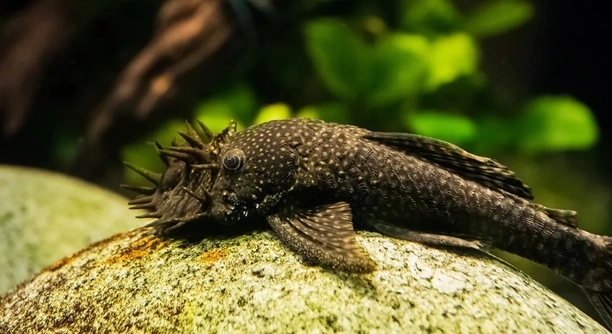
Plecos are popular aquarium fish, known for their algae-eating habits. They are often admired for their unique appearance and peaceful nature. However, questions about their behavior, particularly regarding their recognition of the tank environment, are common among fish keepers.
Plecos do have the ability to recognize their tank environment. Their behavior shows familiarity with objects and landmarks in their tank. Plecos rely on environmental cues, such as the position of objects and tank decorations, to navigate and feel secure.
This recognition impacts their interactions and behavior, providing insights into how they adapt to their surroundings. Understanding their ability to navigate can help improve their care in home aquariums.
How Plecos Navigate Their Tank
Plecos rely on environmental cues to navigate and recognize their tank. They use visual markers, such as the position of decorations and plants, to understand where they are. This helps them find food and return to their favorite hiding spots. Plecos are also sensitive to changes in the environment, which allows them to adjust to new objects or tank conditions. It’s clear that they develop a mental map of their habitat, which helps them feel comfortable and secure.
Understanding how they recognize their environment shows that plecos are more intelligent than they may seem. Their ability to find their way around the tank with ease means they can adapt well to changes. Whether it’s a new filter or a change in the tank’s layout, plecos seem to adjust quickly without stress. This adaptability is key to their well-being in an aquarium setup.
Plecos also exhibit behaviors that demonstrate their recognition of their surroundings. For instance, they often explore their tank and seem to remember where the food is placed. Their ability to navigate obstacles and find their favorite spots shows how they use these environmental cues to thrive in their space. These behaviors are a clear indication that plecos build a mental map of their tank and use it for survival and comfort.
The Importance of Tank Setup
A well-organized tank is essential for your pleco. Without it, they may feel disoriented or stressed. Proper placement of decorations helps them feel safe.
A pleco’s ability to recognize its tank environment is directly influenced by how well the tank is set up. If there are too many changes, it could cause confusion. It’s important to maintain a stable environment for their health and comfort.
How Changes in the Tank Affect Plecos
Plecos are sensitive to changes in their tank environment. When objects or decorations are moved, it can disrupt their sense of security. They may become stressed or disoriented as they rely on the layout to navigate and feel safe.
Moving items around too frequently can also lead to changes in their behavior. Plecos might spend more time hiding or appear less active. While some changes are necessary for tank maintenance, it’s important to make them gradually. By introducing changes slowly, plecos can adjust better and reduce the chances of stress.
Plecos also rely on stable water conditions to help them navigate their environment. Alterations in water temperature, pH, or filtration can create uncertainty for them. Maintaining consistent tank conditions is essential for their well-being, allowing them to feel at ease in their space.
Environmental Enrichment for Plecos
Adding enrichment to your pleco’s environment can encourage natural behaviors. Hiding spots, plants, and driftwood provide both shelter and entertainment. This helps plecos stay engaged and feel secure.
Plecos enjoy having places to explore and rest. Tank decorations like caves or ledges can mimic natural environments, making them feel more at home. Enrichment is key to reducing stress and encouraging healthy behaviors like grazing or interacting with their surroundings. However, it’s important to balance decoration and free swimming space to prevent overcrowding the tank.
Having a variety of textures and surfaces in the tank is also important for plecos. They are bottom dwellers and need rough surfaces like driftwood or rocks to graze on. This helps them maintain a healthy diet and keeps them occupied.
Plecos and Tank Decorations
Tank decorations provide plecos with a sense of familiarity. They often use them as landmarks to navigate their environment. Changes in the placement of these objects can cause confusion.
If you move decorations too often, plecos may take longer to adjust. They rely on these items to create a mental map of their environment. Consistent placement helps plecos feel secure and less stressed.
Plecos’ Response to New Objects
Plecos are curious and will inspect new objects in their tank. However, this may cause them to act more cautiously at first. It’s normal for plecos to take time to adjust.
While they may explore new items, it’s important to monitor their behavior. Sudden changes in the tank can affect their comfort. Plecos might hide more often if they feel uneasy.
Plecos and Water Quality
Water quality plays a crucial role in a pleco’s comfort. Changes in temperature, pH, or filtration can disrupt their ability to navigate their environment. Consistency in water conditions is key.
Ensuring stable water quality allows plecos to focus on exploring rather than adjusting to their surroundings. Proper filtration and regular water changes are essential.
FAQ
Can plecos recognize their owners?
Plecos are not known to form strong bonds with their owners in the way that some other pets might. However, they can become familiar with the regular feeding routine and may associate their owners with food. Plecos tend to approach the tank when they see movement or hear sounds, particularly if they’ve learned that feeding time is near. They are not as social as some other fish, but over time, they can recognize the person who provides for them.
Do plecos need to be in groups?
No, plecos are solitary creatures by nature. In fact, having more than one pleco in a tank can sometimes cause stress, especially if there isn’t enough space. Most plecos prefer to have their own territory within the tank. While some species of plecos might tolerate living with other plecos, they generally don’t require companionship for their well-being. Ensuring enough hiding spots and space can help keep them comfortable.
How can I help plecos feel more comfortable in their tank?
Creating a secure environment is essential for plecos. They need plenty of hiding spots, such as caves or driftwood, where they can retreat if they feel stressed. The tank should have a stable temperature and good water quality. It’s also beneficial to avoid moving decorations frequently so they can build a mental map of their environment. Keeping the tank relatively quiet and free from sudden disturbances also helps them feel at ease.
Do plecos need a lot of space?
Yes, plecos require a larger tank due to their size and active nature. A single pleco should ideally be housed in a tank of at least 30 gallons. Some species can grow quite large, so it’s essential to plan for their future size when setting up the tank. Adequate space not only prevents overcrowding but also allows plecos to exhibit their natural behaviors, like grazing and exploring, without feeling confined.
Why does my pleco stay hidden all the time?
Plecos are nocturnal creatures, so it’s normal for them to hide during the day. If they are constantly hidden, it could indicate stress, poor water quality, or discomfort. Check the tank’s water parameters to ensure everything is within the right range. If you’ve recently added new decorations or changed the environment, give them time to adjust. If the pleco continues to hide even at night, consider reviewing its tank setup and overall care.
How do I know if my pleco is healthy?
A healthy pleco will be active at night, swimming or foraging for food. They should have clear, intact skin and fins without visible signs of damage or disease. Pay attention to their appetite; a healthy pleco will eagerly consume food like algae, vegetables, or sinking pellets. It’s also important to monitor their behavior. If a pleco starts to exhibit lethargy, loss of appetite, or unusual swimming patterns, it could be a sign of illness or stress, and further investigation is needed.
Can plecos live with other fish?
Plecos are generally peaceful but can become territorial, especially as they grow larger. They can coexist with other peaceful species, provided there’s enough space and hiding spots. It’s important to avoid aggressive tank mates that might stress or harm the pleco. When introducing new fish to a pleco’s tank, make sure they are compatible in size and temperament.
Do plecos require specific water conditions?
Yes, plecos thrive in stable water conditions. They prefer water with a pH between 6.5 and 7.5, and the temperature should be kept between 75°F and 80°F. Proper filtration is crucial, as plecos are messy eaters and can contribute to a buildup of waste in the tank. Regular water changes (about 25-30% weekly) are necessary to maintain water quality and prevent health problems. Keep an eye on ammonia and nitrite levels, which should always be at zero.
What do plecos eat?
Plecos are primarily herbivores and will graze on algae in the tank. However, they also benefit from supplemental food like blanched vegetables (zucchini, cucumber, or spinach) and sinking pellets. In the wild, they feed on algae and decaying plant matter, but in captivity, it’s important to provide them with a varied diet to ensure they get all the nutrients they need. Avoid feeding them too much protein, as it can lead to digestive issues.
How long do plecos live?
Plecos are relatively long-lived fish, with a lifespan of 10 to 15 years in captivity when provided with proper care. The exact lifespan can vary depending on the species and the quality of care they receive. Maintaining good water quality, a proper diet, and a stable environment all contribute to the longevity of a pleco.
Why is my pleco swimming at the surface?
If a pleco is swimming at the surface, it may be a sign of poor water quality, particularly low oxygen levels. Ensure that the tank is properly aerated with a good filtration system. If your pleco is gasping at the surface, this could indicate a need for more oxygen or a change in water parameters. It’s also important to monitor for any signs of illness, such as abnormal swimming or lack of appetite, which could suggest stress or disease.
Do plecos need a heater?
Yes, plecos are tropical fish and require a heater to maintain a consistent water temperature. The water temperature should be kept between 75°F and 80°F for optimal health. Fluctuating temperatures can cause stress and affect their immune system, making them more susceptible to disease. Use a reliable aquarium heater and thermometer to ensure the temperature remains steady.
How can I tell if my pleco is stressed?
Stressed plecos may exhibit signs such as hiding more than usual, refusing food, or swimming erratically. Stress can be caused by poor water quality, overcrowding, aggressive tank mates, or sudden changes in the environment. Pay attention to their behavior, and make sure the tank conditions remain stable. If the stress continues, it may be necessary to remove the stressor or make adjustments to the tank.
Can plecos clean the tank by themselves?
Plecos are often known for their algae-eating habits, and they can help reduce algae buildup in the tank. However, they cannot clean the entire tank. They focus on cleaning surfaces like rocks, plants, and the sides of the tank. Regular maintenance, such as water changes and substrate cleaning, is still necessary to keep the tank clean. Plecos should be viewed as part of the tank’s cleanup crew, but they cannot fully replace manual tank maintenance.
Final Thoughts
Plecos are fascinating creatures, each with unique behaviors and needs that require careful attention. While they are often praised for their algae-eating abilities, it’s important to remember that they need more than just a clean tank. Proper tank size, water quality, and a balanced diet are essential for their health and well-being. Providing the right environment allows plecos to thrive and feel comfortable in their surroundings. With consistent care, they can live for many years and become a valued addition to any aquarium.
Understanding how plecos interact with their tank environment is key to ensuring they are happy and stress-free. These fish are territorial and tend to seek out hiding places, so offering plenty of spaces where they can feel secure is important. They are sensitive to sudden changes in their surroundings, whether it’s new objects or fluctuations in water quality. Creating a stable environment will help them adjust and feel safe. Regular water checks and maintenance are crucial to keeping their habitat suitable for them. A well-maintained tank promotes both physical health and mental comfort for plecos.
In the end, plecos are low-maintenance in terms of interaction, but they still require a thoughtful approach to care. They are not as socially engaging as some other fish, but they provide beauty and function by helping to manage algae in the tank. By observing their behavior and ensuring their needs are met, you can enjoy watching them thrive. While plecos may not bond with their owners like other pets, the simple pleasure of observing them in their natural state is enough to appreciate their role in the aquarium.

Hello,
If you enjoy the content that we create, please consider saying a "Thank You!" by leaving a tip.
Every little bit helps us continue crafting quality advice that supports the health, happiness, and well-being of pets around the world, for pets of all shapes, sizes, and species.
We really appreciate the kindness and support that you show us!