
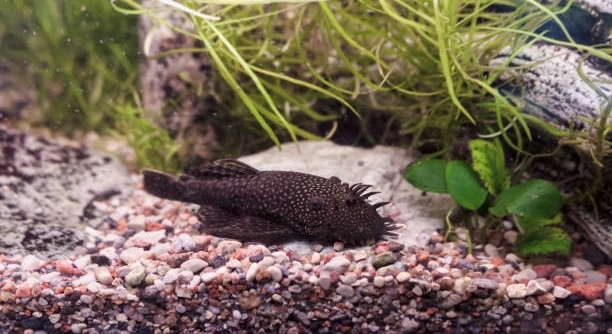
Have you ever set up a tank for your pleco only to wonder if the shallow water level might cause problems later?
Plecos generally do not thrive in shallow water tanks. They require adequate depth and space to accommodate their size, movement, and respiratory needs. Shallow environments may limit oxygen levels and reduce the stability of water parameters.
Tank depth plays a role in supporting healthy behavior, proper breathing, and overall comfort for your pleco as it matures.
Why Shallow Water Isn’t Ideal for Plecos
Plecos are bottom-dwelling fish that need space and consistent water quality. Shallow tanks often lack the depth needed for stable temperature and oxygen levels. These fish also grow quite large, and their movements require room to swim comfortably along the tank bottom and walls. A shallow tank limits vertical space, which can create stress and contribute to poor health over time. Without proper water volume, waste accumulates faster, leading to ammonia spikes that can quickly affect their health. A deeper tank helps maintain cleaner water and reduces the frequency of drastic parameter changes. It also allows for better filtration setups, which plecos need due to their waste output.
In shallow tanks, oxygen levels may drop faster, especially without strong surface agitation or aeration. This can create breathing difficulties for plecos, particularly larger ones.
Providing a deeper tank helps meet their natural behaviors, supports better water quality, and improves their overall well-being.
What Tank Depth Works Best
Plecos generally do better in tanks that offer at least 18 inches of water depth.
For common species like the bristlenose or clown pleco, a tank that holds 30 gallons or more is a good starting point. Larger species like the common pleco require tanks that hold 75 gallons or more with at least 20 inches of depth. The increased depth not only offers swimming space but also supports a more balanced environment. Water parameters stay more consistent in larger volumes, making it easier to maintain ideal conditions. Deeper tanks give plecos better opportunities to explore their environment, especially when paired with driftwood and hiding spots. They also help reduce aggression or stress caused by confined spaces. If you’re planning to keep more than one pleco or add other tank mates, depth becomes even more important. A well-planned tank supports both physical health and natural behaviors, ensuring your pleco thrives long-term.
Risks of Keeping Plecos in Shallow Tanks
Shallow tanks increase the risk of poor oxygenation and temperature swings. These conditions affect a pleco’s health and can lead to stress, loss of appetite, or weakened immune response. Limited swimming space may also result in abnormal behavior or reduced activity.
A shallow tank tends to have less surface area and volume, which can make oxygen exchange less efficient. Plecos rely on dissolved oxygen, especially larger ones that need more to breathe comfortably. Without good water movement or aeration, they may spend more time at the surface or near filters trying to access oxygen. These tanks also heat and cool faster, making temperature stability harder to maintain. This fluctuation can trigger stress responses and weaken your pleco’s ability to fight illness. Sudden parameter changes are harder to buffer in smaller volumes, and that can lead to dangerous ammonia or nitrate spikes within short timeframes.
Waste buildup happens more quickly in a shallow tank. Plecos produce a lot of waste, and without proper volume and depth, toxins accumulate faster than the filter can handle. This leads to ammonia issues and reduces the tank’s overall stability. Over time, these conditions make it harder for your pleco to thrive and stay healthy.
Filtration and Maintenance in Shallow Tanks
Shallow tanks often struggle with keeping water clean due to lower volume and faster buildup of waste. Even strong filters can be overwhelmed without enough water depth to help dilute toxins and distribute flow evenly.
Using a powerful filter rated for a larger tank can help control waste, but maintenance becomes more frequent in a shallow setup. Water changes may need to happen more often to keep parameters in check. With less water volume, small changes in waste or leftover food can have a bigger impact. Uneven flow distribution is also common in shallow tanks, meaning some areas may collect more debris or stay stagnant. This reduces overall efficiency, and your pleco might avoid those areas, leading to limited activity. Regular cleaning, filter maintenance, and close monitoring of ammonia and nitrate levels become essential when working with limited depth. For long-term care, deeper tanks allow more flexibility and stability, reducing the need for constant adjustments.
Behavior Changes in Shallow Tanks
Plecos in shallow tanks may become less active or hide more often. The limited space can make them feel unsafe or stressed, especially if there’s not enough cover or if the tank conditions shift too quickly.
Stress from shallow environments can also lead to reduced appetite or slower growth. These signs often show up gradually but can affect overall health.
Ideal Conditions for Pleco Comfort
Plecos do best in tanks with stable temperature, moderate water flow, and plenty of hiding spots like driftwood and caves. A deeper tank helps with all of these. The extra volume supports consistent parameters and better oxygen levels, especially when paired with good filtration. Proper lighting and a calm environment also help them feel secure. Most plecos are nocturnal or low-light active, so avoiding bright lighting and loud surroundings improves comfort. Having smooth surfaces to rest on and graze helps maintain their natural behavior. Combining tank depth with thoughtful design creates a more suitable space that reduces stress and promotes healthy activity.
Final Thoughts on Shallow Tanks
While shallow tanks may work for a short time, they do not meet the long-term needs of most plecos.
FAQ
Can plecos live in 10-gallon shallow tanks?
A 10-gallon tank is not suitable for most plecos. Even small species like bristlenose plecos grow up to 5 inches and need more room. A tank this size fills up with waste quickly, and water conditions can become unstable. The lack of depth also limits their natural movement and behavior. Over time, stress and poor water quality may lead to illness or shortened lifespan. A minimum of 20 to 30 gallons is more appropriate for smaller species, while larger plecos require even more space. Depth should be at least 18 inches for a healthier environment.
What happens if I keep a pleco in a shallow tank temporarily?
Short-term housing in a shallow tank may be possible, but it requires strict maintenance. You’ll need to monitor water quality daily, perform frequent water changes, and ensure strong filtration. The fish may show signs of stress, such as hiding more or becoming less active. If kept in this setup too long, it can lead to health problems like stunted growth, ammonia burns, or infections. Try to upgrade the tank as soon as possible. Temporary setups are not ideal, especially for larger or fast-growing plecos that outgrow small tanks quickly.
Are there any plecos that do okay in shallow water?
Smaller pleco species like the clown pleco or pitbull pleco can tolerate tanks with less depth, but they still require adequate space and stable water conditions. A shallow tank must have good surface agitation to prevent oxygen issues. Even these smaller types need hiding spots and enough room to move comfortably. While they’re more adaptable, shallow tanks should still offer around 20 gallons or more to maintain stability. These setups must be closely managed to avoid the rapid decline of water quality. No pleco species truly thrives in very shallow environments.
Why does tank depth matter for plecos?
Tank depth helps regulate oxygen levels, temperature stability, and waste distribution. Deeper water gives plecos a more natural space to move, feed, and rest. It also reduces the risk of sudden parameter changes. Shallow tanks often heat up and cool down quickly, which can stress the fish. Deeper setups allow filters to work more effectively and give plecos more room to avoid strong currents. Stability is key for their well-being. A deeper tank also supports better aquascaping, offering more structure and hiding spaces. These elements contribute to both physical and mental health in plecos.
Can adding more plants help in shallow tanks?
Live plants can help improve water quality by absorbing nitrates and providing some oxygen. However, they are not a complete solution. They don’t remove solid waste or handle the heavy bio-load plecos produce. In a shallow tank, plants may also struggle if lighting and flow aren’t right. While plants can reduce stress and give cover, they won’t replace the need for depth, strong filtration, and regular maintenance. If you do add plants, choose hardy ones like Java fern or Anubias that tolerate low light and can be attached to driftwood or rocks.
How often should I clean a shallow tank with a pleco?
In shallow tanks, cleaning should be done more frequently—often twice per week or more. Plecos generate a lot of waste, and without enough water volume, toxins can spike quickly. Remove uneaten food daily and vacuum the substrate regularly. Filter maintenance is also critical to keep things running smoothly. Ammonia and nitrate levels should be checked often, and water changes should be at least 25–50%, depending on the tank size and stocking. Consistency in maintenance is essential to avoid dangerous swings in water conditions. Shallow tanks leave little room for error.
Final Thoughts
Keeping plecos in shallow tanks may seem convenient, especially if space or budget is limited, but it does not meet their long-term needs. These fish need room to move, graze, and rest in stable conditions. A shallow tank often makes this difficult. The smaller volume can lead to quick shifts in water temperature, oxygen levels, and waste buildup. Even for smaller species, shallow tanks make it harder to maintain consistent water quality, which is essential for pleco health. Over time, poor living conditions can cause stress, illness, and shorter lifespans.
While some plecos might tolerate shallow setups for short periods, this should not be a permanent solution. Their size, behavior, and care requirements all point toward the need for larger, deeper tanks. A proper tank gives them the chance to grow at a healthy rate and behave naturally. It also allows for better use of filters, more room for decor like driftwood and caves, and more stable conditions overall. Even peaceful tankmates may cause stress in small spaces, so the extra room helps maintain balance. A deeper tank simply offers a more suitable space for long-term care.
For anyone serious about keeping plecos, planning for the right setup from the start is important. Choosing the right tank size, setting up proper filtration, and maintaining good water quality will go a long way in supporting their health. This doesn’t mean the setup has to be expensive or complicated. Even a basic layout with clean water, good hiding spots, and consistent care will make a big difference. Shallow tanks might work briefly, but they’re not ideal for plecos in the long run. Making a few adjustments can help your pleco feel more comfortable and live a healthier life.

Hello,
If you enjoy the content that we create, please consider saying a "Thank You!" by leaving a tip.
Every little bit helps us continue crafting quality advice that supports the health, happiness, and well-being of pets around the world, for pets of all shapes, sizes, and species.
We really appreciate the kindness and support that you show us!