
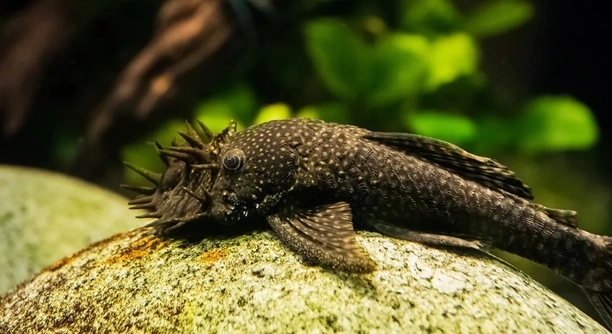
Plecos are popular freshwater fish, but many aquarium owners are unsure about whether they can thrive in brackish water. Understanding their habitat needs is key to keeping them healthy. This article will explore if brackish water is suitable for them.
Plecos are primarily freshwater fish and are not naturally adapted to brackish water. While some species may tolerate slightly saline conditions, it is not ideal for most plecos. Long-term exposure to brackish water can lead to health problems for them.
Many factors affect plecos’ survival in different water conditions. We will break down the important details and help you understand the best environment for your pleco.
What Is Brackish Water?
Brackish water is a mixture of freshwater and saltwater. It typically has a salinity level between 0.5 and 30 parts per thousand. This type of water is commonly found in coastal areas where freshwater rivers meet the ocean. The salinity varies depending on tides and rainfall. Some fish species naturally live in brackish water, as they are adapted to survive in these conditions. However, this type of water isn’t the same as standard freshwater or saltwater. The challenge is maintaining the correct balance of salinity and other water parameters, which can be tricky for aquarium setups.
For plecos, brackish water can be problematic, as they prefer freshwater environments. They are not built to handle the salts present in brackish water for extended periods. If you’re considering adding a pleco to a brackish tank, it’s important to understand their specific needs to avoid harming them.
If you want to keep a pleco in an aquarium, it’s best to stick to freshwater. Plecos thrive in stable environments, where the water conditions are consistent. Salt in the water can stress them out, leading to potential health issues. It’s always good to check the water’s salinity level before introducing any species that might not be suited for brackish conditions.
Can Plecos Tolerate Brackish Water?
Though plecos are typically freshwater fish, they may tolerate brackish water for short periods. However, it’s important to note that they are not adapted to thrive in such conditions long-term. The stress caused by even minor salt levels can weaken their immune system and make them more vulnerable to diseases.
For some species, the tolerance to brackish conditions may vary, but overall, it’s better to avoid introducing plecos to brackish water environments. These fish are not designed to handle the varying salinity levels, and forcing them into an unsuitable habitat may reduce their lifespan.
In the wild, plecos are found in rivers and lakes where salinity is not a concern. Their natural environment is free from the stress that comes with varying salt levels. Therefore, maintaining proper water conditions in an aquarium with low or no salt is ideal for their long-term health. If you want to keep plecos healthy, it’s best to focus on replicating their natural habitat, avoiding brackish setups altogether.
Why Plecos Should Not Live in Brackish Water
Plecos thrive in freshwater environments and are not built to handle brackish water for extended periods. Their bodies aren’t equipped to process salt efficiently, and prolonged exposure can lead to health problems. It’s best to provide them with the proper conditions they need to live comfortably.
In brackish water, plecos can experience increased stress, weakened immune systems, and potentially shorter lifespans. Their gills and kidneys are not designed to filter out salt, which can lead to organ damage. If kept in brackish water for too long, plecos may become lethargic or develop skin infections. The added salt in the water puts unnecessary strain on their bodies, affecting their overall health.
Plecos rely on freshwater conditions to maintain proper hydration and overall well-being. Freshwater allows them to regulate their salt balance naturally. Salt in the water disrupts this process, leading to dehydration and difficulty absorbing nutrients. This is one of the primary reasons plecos should only be kept in freshwater environments, where they feel safe and thrive.
What Happens When Plecos Are Exposed to Salt
Exposure to salt in water causes plecos to experience various health issues. While they can tolerate small amounts of salt for short periods, it’s important not to rely on this as a long-term solution. Prolonged exposure causes physical stress, which can weaken their immune system. Over time, this leads to health complications, such as skin lesions and respiratory problems.
Salt in the water can also affect the pleco’s ability to digest food properly. They may lose their appetite or become less active, which reduces their overall quality of life. Even mild exposure to salt can be enough to cause these issues. This is why it’s crucial to ensure that plecos live in environments where the water’s salinity is minimal. Freshwater tanks are optimal because they help maintain the balance plecos need to thrive and remain healthy.
How to Set Up a Healthy Freshwater Tank for Plecos
Setting up a proper freshwater tank is key to keeping your pleco healthy. Ensure that the water is free from salt and other harsh chemicals. Maintain a stable temperature, pH, and water hardness to mimic their natural habitat. Regular water changes will help keep their environment clean and safe.
Use a reliable filtration system to keep the water clear. Plecos produce a lot of waste, so proper filtration is crucial to prevent harmful toxins from building up. A good filter will help maintain water quality and provide your pleco with the clean environment it needs to thrive.
Aquatic plants and hiding spots are also important. Plecos enjoy exploring and need places to hide when they feel stressed or threatened. Adding plants and rocks creates a more natural environment, providing both shelter and a place for the pleco to forage.
Temperature and pH Levels for Plecos
Plecos prefer warm water, typically between 74°F and 80°F (23°C and 27°C). Keeping the temperature consistent is important, as fluctuations can stress your fish. Make sure to monitor the water temperature regularly to ensure it stays within the proper range for optimal health.
The ideal pH level for plecos is between 6.5 and 7.5. This is slightly acidic to neutral, which aligns with their natural freshwater habitats. Maintaining the pH within this range will help keep your pleco comfortable and prevent any stress-related health issues. Regular testing of pH levels is essential for a stable tank.
Plecos and Tankmates
When selecting tankmates for your pleco, avoid species that are too aggressive or territorial. Plecos are peaceful and may get bullied by more dominant fish. Small or non-aggressive fish such as tetras or guppies make good companions. Always consider the size and temperament of any potential tankmates before adding them.
FAQ
Can plecos survive in saltwater?
Plecos are freshwater fish and cannot survive in saltwater. Their bodies are not adapted to process high salt levels, and prolonged exposure can cause severe health problems, including organ failure and dehydration. Keeping them in saltwater will likely result in a shortened lifespan.
Can plecos live in brackish water temporarily?
While plecos can tolerate a small amount of salt for a short period, it is not recommended to keep them in brackish water long-term. Extended exposure to brackish conditions will weaken their immune system, and they will become stressed. Even brief exposure to brackish water can be harmful to their health.
What happens if I put a pleco in brackish water?
Putting a pleco in brackish water can lead to physical stress, reduced appetite, skin issues, and even death over time. Plecos rely on freshwater to maintain proper hydration, and salt in the water can disrupt this balance. It’s important to avoid salt in their water to prevent these health issues.
Can plecos adapt to brackish water?
Plecos are not naturally equipped to adapt to brackish water. While some fish species can adjust to brackish environments, plecos are freshwater species and cannot handle the varying salinity levels for long periods. Prolonged exposure to salt will eventually cause severe health problems.
What is the best water type for plecos?
Plecos do best in freshwater environments. Their natural habitat consists of freshwater rivers and lakes, where they are free from salt and other harsh chemicals. Maintaining a stable, clean freshwater tank is the best way to ensure your pleco remains healthy and happy.
What water conditions do plecos need?
Plecos prefer water with a temperature between 74°F and 80°F (23°C and 27°C). The water should be slightly acidic to neutral, with a pH range of 6.5 to 7.5. Regular water changes and a filtration system are essential for keeping the tank clean. Keep the water hardness at moderate levels to suit plecos.
Can plecos live with other fish?
Yes, plecos can live with other peaceful fish. They are non-aggressive and do well in community tanks. However, avoid keeping them with territorial or overly aggressive fish, as plecos may become stressed or bullied. Small fish like tetras or guppies are great companions for plecos.
Do plecos need a big tank?
Yes, plecos require a relatively large tank. Depending on the species, they can grow quite large, and they need space to swim and explore. A tank of at least 30 gallons is ideal for a single pleco, and larger tanks are better if you plan to keep multiple fish or add other species.
How often should I clean a pleco tank?
Cleaning frequency depends on the tank’s size, filtration, and the number of fish. For a pleco, it’s important to clean the tank at least once every two weeks. Remove any uneaten food, clean the substrate, and change 20-30% of the water. More frequent cleaning may be necessary if you have multiple fish or poor water circulation.
Do plecos need hiding spots?
Yes, plecos love having hiding spots. In the wild, they often hide in caves or crevices. In an aquarium, provide rocks, plants, or caves where they can retreat when they feel stressed. This will help them feel safe and reduce anxiety, promoting overall well-being.
Can plecos eat algae in a tank?
Plecos are known for their algae-eating habits, but they shouldn’t be relied upon as the sole method of algae control. While they can help keep algae in check, you should also maintain a proper cleaning routine and ensure the water conditions are right to prevent excessive algae growth.
How long do plecos live?
The lifespan of a pleco depends on the species and the quality of care provided. In general, plecos can live anywhere from 10 to 15 years if kept in the right environment. Ensuring stable water conditions, proper diet, and good tank maintenance can help maximize their lifespan.
Do plecos eat plants?
While plecos are primarily herbivores, they do not usually damage plants in the tank. They prefer algae, driftwood, and plant matter like zucchini or cucumber. However, some plecos, especially larger species, may nibble on softer plants if they don’t have enough food to satisfy their diet.
Can plecos be kept in small tanks?
Plecos need plenty of space to grow, and small tanks are not suitable for them long-term. Although baby plecos can live in smaller tanks, they quickly outgrow them. A 30-gallon tank is a minimum for most pleco species, with larger tanks being ideal to ensure they have room to thrive.
Do plecos eat fish food?
Yes, plecos can eat fish food, but their diet should include more than just commercial pellets. They enjoy a variety of foods, such as algae wafers, fresh vegetables like zucchini and cucumber, and occasionally meaty foods like shrimp or bloodworms. Offering a varied diet is important for their health.
Can plecos tolerate hard water?
Plecos can tolerate moderately hard water, but they prefer softer water. If your water is too hard, it’s important to adjust the hardness level to match their needs. Water that is too hard can cause stress and lead to health issues over time, so it’s best to monitor and adjust the water hardness as needed.
Do plecos need a filter?
Yes, plecos require a good filtration system. They produce a lot of waste, which can quickly degrade water quality. A filter helps keep the water clean and free from harmful toxins, making it essential for the overall health of your pleco. Ensure the filter is strong enough to handle the bioload.
Final Thoughts
Plecos are fascinating fish that can be great additions to freshwater aquariums. However, it’s important to understand that they are best suited for environments where the water is free from salt, such as a freshwater tank. While they can tolerate small amounts of salt for short periods, brackish water is not ideal for them over time. Exposing plecos to saltwater or brackish conditions can cause stress, weaken their immune system, and ultimately lead to serious health problems. Their natural habitat is freshwater, and this is where they thrive best.
Setting up a proper tank for your pleco involves more than just ensuring there is no salt in the water. It’s essential to maintain stable water temperature, pH, and hardness levels. Plecos do best in warm water with a temperature range of 74°F to 80°F (23°C to 27°C). They also need a slightly acidic to neutral pH, ideally between 6.5 and 7.5. Keeping the water clean with regular water changes, a good filtration system, and adding hiding spots or plants can help create a stress-free environment where your pleco can feel secure and healthy. This will also help them live a long and happy life in your aquarium.
If you’re considering other fish species to keep with your pleco, it’s important to select tankmates that won’t stress them out. Plecos are peaceful and non-aggressive, so it’s best to avoid pairing them with territorial or overly aggressive fish. A well-planned community tank with peaceful species will help your pleco stay content. By ensuring the proper water conditions and creating a suitable environment for your pleco, you will be able to enjoy their presence and keep them healthy for years to come.

Hello,
If you enjoy the content that we create, please consider saying a "Thank You!" by leaving a tip.
Every little bit helps us continue crafting quality advice that supports the health, happiness, and well-being of pets around the world, for pets of all shapes, sizes, and species.
We really appreciate the kindness and support that you show us!