
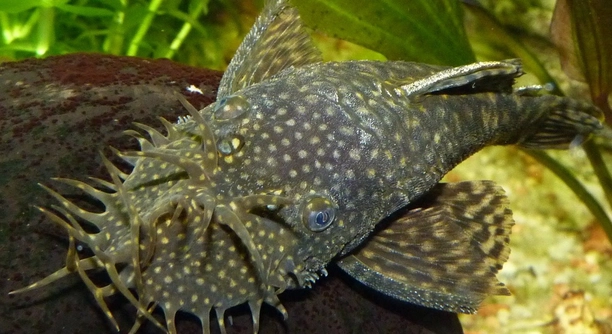
If you have a freshwater tank, you may be wondering whether plecos and tetras can live together. Both are popular aquarium fish that come in various colors and sizes, making them favorites among hobbyists.
Plecos and tetras can live together, as long as the tank is large enough and the species are compatible. Plecos are bottom dwellers, and tetras typically stay in the middle or top layers of the tank. They generally do not pose a threat to each other.
Proper tank conditions and monitoring are key to ensuring a peaceful coexistence. Factors like water temperature, tank size, and the specific types of plecos and tetras you choose can make a significant difference.
Tank Size and Space Requirements
Plecos and tetras can peacefully coexist if they have enough space to move around. Plecos, especially the larger species, need plenty of room to grow. Tetras, being smaller, also require space to swim and avoid stress. A tank of at least 30 gallons is recommended to accommodate both species comfortably. If your tank is too small, the fish might feel cramped, leading to aggressive behavior or stress. It’s important to consider the adult size of both the pleco and the tetras before setting up your tank.
A larger tank allows the pleco to graze on algae and search for food, while tetras can swim freely in the upper and middle sections. This setup reduces the likelihood of competition for space and resources.
Ensure that your tank has plenty of hiding spots and plants for both species. Plecos enjoy hiding during the day, and tetras like having places to retreat when they feel threatened. A well-planted tank also helps maintain water quality, benefiting all the fish inside.
Water Conditions
Plecos and tetras prefer similar water conditions, though small differences in needs can exist. Generally, both thrive in slightly acidic to neutral water (pH 6.5 to 7.5). Maintaining a consistent water temperature between 72°F and 78°F suits both species.
For a peaceful environment, regularly check the water’s hardness and cleanliness. Since plecos are bottom feeders, they can stir up debris, which tetras may not appreciate. To ensure that the water stays clean, use a good filtration system. The filter will help manage the waste from both the pleco and tetras, ensuring the water quality remains stable.
Also, ensure the water isn’t too soft or too hard, as it could cause stress to either species. Monitoring these factors will help maintain a stable, healthy tank for all inhabitants, reducing the risk of aggression or health problems.
Behavior and Interaction
Plecos and tetras have generally peaceful temperaments, but it’s important to consider the specific species you choose. Most plecos are calm, solitary fish that do not bother other tank mates. Tetras are small, non-aggressive fish that prefer swimming in schools, which gives them confidence.
Although plecos may occasionally rummage through plants or the substrate, they are not typically a threat to tetras. Tetras, in turn, are likely to avoid the pleco, sticking to the upper layers of the tank. However, if you keep too few tetras, they may feel insecure, leading to stress.
Monitoring their behavior is key. If you notice any signs of aggression or stress, adjusting the tank setup or increasing the number of tetras in the school can help. Adding more plants or decorations to create separation can also prevent territorial issues.
Feeding and Diet
Plecos are primarily herbivores and need a diet that includes algae wafers, vegetables like zucchini and cucumber, and occasional protein-rich foods. Tetras, on the other hand, are omnivores and enjoy a varied diet, including small live or frozen foods, as well as flakes or pellets.
To prevent competition for food, it’s important to feed the fish at different times. Plecos can be fed after lights out, as they are nocturnal and tend to forage at night. Tetras should be fed during the day, when they are more active. This way, each species gets its share of food without conflict.
Avoid overfeeding, as uneaten food can quickly pollute the tank. Make sure to remove any leftovers to maintain water quality. It’s also essential to supplement their diet with algae, as plecos rely on this for both nourishment and health.
Tank Decorations and Hiding Spots
Adding decorations and hiding spots is essential for creating a comfortable environment for both species. Plecos, being nocturnal, need places to hide during the day. A well-planted tank with rocks or driftwood will provide both hiding spaces and grazing areas.
Tetras also benefit from a tank with plants and decorations, as these offer them security and places to swim through. Unlike plecos, tetras prefer to stay near the middle or top layers of the tank, so tall plants and open spaces will help them feel safe.
When arranging decorations, make sure they don’t overcrowd the tank. Both species should have enough space to move around freely without feeling cramped or stressed. Adding more plants can also improve water quality, benefiting all fish in the tank.
Potential Problems to Watch For
While plecos and tetras can live together, it’s important to watch for any signs of stress or aggression. Overcrowded tanks, poor water conditions, or incompatible species can lead to problems. Monitor the behavior of both species regularly.
If you notice any aggressive behavior from either fish, such as fin nipping from tetras or territorial disputes, you may need to adjust the tank environment. Sometimes, adding more hiding spots or rearranging decorations can help reduce stress and prevent conflict. Always ensure the tank has enough space for both species to thrive.
Choosing the Right Species
Not all plecos and tetras are compatible, so choosing the right species is important. Some plecos grow very large and might accidentally damage smaller tetras with their size, while others might be more peaceful.
Tetras like neon tetras or ember tetras tend to work well with plecos. Choosing species that occupy different levels of the tank and have calm temperaments helps create a peaceful environment. Always research the species’ habits and care requirements before introducing them to the same tank.
FAQ
Can plecos live with all types of tetras?
Not all tetras are suitable tank mates for plecos. While smaller tetras like neon or ember tetras are generally peaceful and can cohabit with plecos, larger, more aggressive tetra species may not be as compatible. It’s important to choose tetras that are non-aggressive and won’t compete for space or food with plecos. Additionally, consider the size of the pleco species—larger plecos may unintentionally harm smaller tetras with their size. Researching the specific species of both plecos and tetras before combining them is always a good idea.
What is the best tank size for plecos and tetras together?
A tank size of at least 30 gallons is recommended for a peaceful pleco and tetra setup. Plecos, especially the larger species, require a lot of space to move around and graze. Tetras, being smaller, also need sufficient room to swim freely and avoid stress. A tank that is too small can cause overcrowding, leading to increased aggression and poor water quality. The bigger the tank, the more comfortable and stress-free the fish will be.
Do plecos eat the same food as tetras?
Plecos and tetras have different dietary needs. Plecos are primarily herbivores, feeding on algae, vegetables, and algae wafers. Tetras, on the other hand, are omnivores and require a more varied diet, including live or frozen foods, as well as flakes or pellets. Although their diets differ, they can both coexist as long as their specific nutritional needs are met. It’s important to feed them separately to avoid competition for food. Plecos can be fed at night when they are more active, while tetras should be fed during the day.
How do I prevent plecos from eating all the food?
To prevent plecos from eating all the food, it’s a good idea to feed them at night when they are most active. Tetras, being daytime feeders, will eat their share of the food before the pleco has a chance to finish off everything. Another solution is to provide food specifically designed for plecos, such as algae wafers, which will give them something to focus on while allowing the tetras to feed as well. Be sure to remove any uneaten food from the tank after a few hours to maintain water quality.
Can plecos harm tetras?
Typically, plecos are peaceful and will not harm tetras, as they are bottom dwellers and prefer to stay out of the way of other fish. However, there are a few potential risks. Large plecos, due to their size, might unintentionally harm small tetras when moving around. Some plecos also have sharp spines on their fins, which could injure smaller fish if they get too close. To prevent this, ensure there are enough hiding spots and space for the tetras to avoid the pleco.
Do tetras nip plecos?
Tetras are generally peaceful, but in certain situations, some species may nip at the pleco’s fins. This is more likely to happen if the tetras are feeling threatened or stressed due to overcrowding, insufficient food, or a lack of hiding places. To reduce the likelihood of fin nipping, ensure that the tank is adequately sized, the fish are well-fed, and there are plenty of hiding spots and plants. Keeping tetras in schools can also help prevent such behavior, as they feel more secure in numbers.
Can plecos live in tanks with other bottom dwellers like catfish?
Plecos can live with other bottom dwellers like catfish, but it’s important to choose species that don’t compete for the same resources. Some catfish, such as the Corydoras species, are peaceful and small enough to coexist with plecos. However, larger or more territorial bottom dwellers might have issues with plecos, especially if they both try to claim the same hiding spots. Providing multiple hiding places and ensuring that each species has enough space can help prevent territorial disputes.
How do I know if my pleco and tetras are stressed?
Stress in fish can manifest in several ways. For plecos and tetras, you might notice changes in their behavior, such as hiding more than usual or swimming erratically. Tetras may become less active or lose their vibrant coloration, while plecos might refuse food or become overly territorial. Other signs of stress include increased fin clamping or rapid gill movement. It’s important to address potential stress factors, such as poor water quality, overcrowding, or aggressive tank mates, to keep both species healthy.
Are plecos hard to care for?
Plecos are generally easy to care for as long as their basic needs are met. They require a clean, stable environment with good water quality, a varied diet, and enough space to grow. Plecos also need hiding spots where they can rest during the day. While they are relatively low-maintenance, it’s important to ensure that the tank is large enough to accommodate them and that they have access to algae or supplemental foods like veggies and wafers. Regular water changes are necessary to keep the tank healthy for plecos and their tank mates.
Can plecos live with shrimp or snails?
Plecos can live with shrimp and snails in the same tank, though caution is needed. Some species of plecos may eat smaller shrimp, especially if they are opportunistic feeders. Snails, on the other hand, usually have a better chance of coexisting with plecos, as they don’t pose a threat to them. However, larger plecos might accidentally harm snails while moving around the tank. If you plan to keep shrimp or snails, choose larger pleco species that are less likely to bother them, and provide plenty of hiding spots.
Final Thoughts
When it comes to keeping plecos and tetras together, they can make great tank mates if the conditions are right. Plecos are peaceful bottom dwellers, while tetras tend to swim in the middle and top layers. This natural division of space reduces the chances of them fighting over territory. However, the most important factor for success is providing enough space for both species. A tank that’s too small can lead to overcrowding and stress, which may cause aggression or poor health for your fish. Keeping a tank size of at least 30 gallons allows both species to thrive and feel secure.
Water quality is another key aspect. Both plecos and tetras need clean, stable water to stay healthy. Keeping the water temperature between 72°F and 78°F and maintaining a neutral pH of 6.5 to 7.5 ensures that both species are comfortable. Regular water changes and a good filtration system are essential. Plecos, being bottom dwellers, can stir up debris, so maintaining water quality becomes even more important. It’s also necessary to check the water’s hardness, as both fish species have specific preferences. Monitoring the tank conditions frequently can prevent any unwanted issues that might harm your fish.
Feeding is also an essential part of keeping plecos and tetras in the same tank. Since plecos are primarily herbivores, they rely on algae and vegetables, while tetras need a more varied diet. To avoid food competition, consider feeding the plecos at night when they are more active, and feed tetras during the day. Overfeeding can quickly deteriorate water quality, so it’s important to remove any uneaten food. As long as you maintain proper feeding schedules and ensure that both species get the right nutrients, they can live peacefully together. By paying attention to tank size, water conditions, and diet, you can create a harmonious environment where both plecos and tetras can thrive.

Hello,
If you enjoy the content that we create, please consider saying a "Thank You!" by leaving a tip.
Every little bit helps us continue crafting quality advice that supports the health, happiness, and well-being of pets around the world, for pets of all shapes, sizes, and species.
We really appreciate the kindness and support that you show us!