
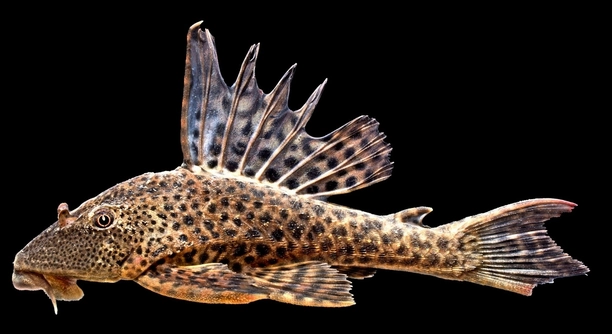
Plecos are popular aquarium fish known for their peaceful nature and helpful algae-eating habits. However, many aquarium owners wonder about their ability to leave the tank. This concern is important to address to ensure your plecos stay safe.
Plecos are not known to jump out of their tanks under normal conditions. However, in rare cases, if the tank environment is stressful, or if there is a lack of space, a pleco may attempt to leap.
Understanding why this happens can help you prevent accidents and keep your plecos safe in their home. Knowing the factors involved can help you set up a safer environment for these fascinating fish.
Why Do Plecos Try to Jump?
Plecos are generally calm fish, but they may attempt to jump out of their tanks for various reasons. One common cause is poor water conditions. When water quality is low, plecos might feel stressed, which can lead them to escape. Poor water filtration or irregular water changes can create an unpleasant environment. When plecos feel unsafe or uncomfortable, they may try to find a better spot, even if it means jumping out of their tank. Additionally, high levels of ammonia or a lack of oxygen in the water can contribute to this behavior.
If your pleco is in a tank with limited space, it might also feel cramped. Larger plecos need more room to swim freely. Small tanks can lead to stress, making the pleco more likely to leap out. Properly sized aquariums are essential to keeping your plecos comfortable and safe. Always ensure that the water conditions are optimal for them to reduce any chance of jumping.
Keeping a well-maintained tank with a good filtration system can help prevent your pleco from wanting to jump. Ensuring the right tank size and proper care will also make a big difference in your pleco’s well-being.
Preventing Plecos from Jumping
To avoid a jumping pleco, proper tank setup and maintenance are key. Make sure to invest in a secure lid that prevents escapes.
Making sure your tank has a secure lid and proper water conditions is the best way to prevent your pleco from jumping. Regular water changes, proper filtration, and a well-sized tank can make your pleco feel safe and comfortable. A tight-fitting lid prevents any chances of jumping, especially when plecos are stressed or curious. Adding plants and other hiding spots in the tank can also make your pleco feel more secure.
Maintaining ideal water parameters is vital to keeping your pleco happy. High-quality filtration ensures that the water stays clean, reducing the chance of stress. Regularly check the water’s ammonia, nitrite, and nitrate levels. Keeping these chemicals within the proper range can keep your pleco calm and prevent it from trying to escape. Offering plenty of space to swim freely will also help reduce stress and minimize the likelihood of jumping. A safe, well-maintained environment will allow your pleco to thrive without the urge to leave the tank.
Signs Your Pleco May Be Stressed
Stress in plecos can lead to abnormal behavior, including jumping. Signs of stress include erratic swimming, hiding excessively, or rapid gill movement. If the pleco appears lethargic or seems to avoid the light, it’s likely stressed. Keeping an eye out for these signals can help prevent problems.
Stress can be caused by various factors such as overcrowding, poor water quality, and incompatible tank mates. If your pleco constantly hides or seems overly active in searching for an escape route, it may indicate that the tank environment is not ideal. Overcrowding can lead to a lack of space, increasing anxiety. A pleco’s behavior often gives clear signals about their stress level, and addressing the root cause can help them feel more comfortable.
If you notice your pleco becoming aggressive towards other fish or spending too much time at the water’s surface gasping for air, these are clear indicators that something is wrong. It could be the water’s oxygen level, high levels of toxins, or too little space. Monitoring your pleco’s habits is the best way to catch stress early and provide the right environment to alleviate it.
Importance of Proper Tank Size
Tank size plays a crucial role in preventing stress and reducing the chance of plecos jumping. A cramped tank can lead to discomfort and anxiety.
Plecos can grow quite large depending on the species, so it’s important to ensure the tank provides ample space for swimming. A tank that is too small will restrict movement and cause your pleco to feel crowded. A common rule is that for every inch of pleco, you should have at least 10 gallons of water. It’s essential to research the specific type of pleco you own to know the appropriate tank size.
Having the right amount of space allows plecos to exhibit natural behaviors and reduces stress, which helps prevent jumping. A larger tank provides not just swimming space, but room for hiding spots and plants that contribute to the pleco’s sense of security. With a spacious tank, your pleco will feel less inclined to escape and more comfortable in their environment.
Tank Setup and Layout
The way you set up your pleco’s tank can impact their comfort and reduce the risk of jumping. Providing hiding spots, plants, and proper decorations will help plecos feel secure. A well-planned tank layout allows plecos to explore and settle in, which can prevent stress.
Adding natural features like rocks, caves, or driftwood not only makes the environment more interesting but also gives plecos places to hide. Plecos, especially larger ones, need areas where they can retreat if they feel threatened or stressed. The tank should also have enough open space for swimming without overcrowding. A well-structured environment helps keep your pleco calm and less likely to try to escape.
Water Quality and Temperature
Water quality is one of the most important aspects of keeping a pleco happy and healthy. Clean, well-maintained water is essential for their well-being. The temperature should also be stable, as plecos are sensitive to sudden changes.
Poor water conditions, such as high ammonia or nitrite levels, can cause stress and lead to undesirable behaviors. Regular water changes, good filtration, and monitoring water parameters ensure the pleco’s environment remains optimal. Temperature should remain consistent, usually between 72°F and 82°F, depending on the species. Fluctuations or extreme changes can make plecos uneasy, increasing the risk of jumping.
Correct Tank Mates for Plecos
Plecos can live with a variety of fish, but choosing the right tank mates is essential. Aggressive or overly active fish can cause stress, pushing plecos to find a way out. It’s important to consider the temperament of other fish when choosing tank mates for your pleco.
FAQ
Can plecos jump out of the tank?
Plecos can jump out of their tanks, but it’s not a common behavior. They may attempt to jump if they’re stressed or feel threatened. Poor water conditions, overcrowding, or an insufficient tank size are often factors that lead to this behavior. However, it’s not something plecos typically do under normal, healthy conditions. Keeping the tank well-maintained and ensuring it is large enough for the pleco can prevent this issue.
What size tank do plecos need?
Plecos need a large tank to thrive, especially as they grow. The general rule is that for every inch of pleco, you need at least 10 gallons of water. For example, a 6-inch pleco will need a 60-gallon tank. It’s important to remember that plecos grow quickly, so plan ahead to provide them with enough space. A larger tank helps prevent stress and gives them room to swim and hide, which reduces the chances of them jumping out.
Why is my pleco acting strange?
If your pleco is acting out of the ordinary, it could be due to several factors. Changes in water quality, temperature, or tank mates can cause stress. If your pleco is hiding too much or swimming erratically, it might be reacting to poor water conditions or a lack of space. Another common cause is aggression from other fish in the tank. Keep an eye on your pleco’s behavior and check the water quality regularly to identify the cause of any unusual behavior.
What can I do to stop my pleco from jumping?
To prevent your pleco from jumping, ensure the tank is well-maintained, spacious, and free from stressors. Install a secure lid to keep your pleco inside the tank. It’s also important to make sure the water quality is optimal. Regular water changes, good filtration, and maintaining a consistent temperature can reduce stress. Additionally, having plenty of hiding spots and plants in the tank will help your pleco feel more secure and less likely to jump out.
Do plecos need to be alone in the tank?
While plecos can generally live with other peaceful fish, it’s important to choose compatible tank mates. Plecos are not aggressive but can become stressed if kept with overly aggressive or active fish. Avoid pairing plecos with species that might harass them or outcompete them for food. Peaceful, non-aggressive fish like tetras or guppies are often good companions. If you notice your pleco becoming overly stressed by tank mates, consider separating them or adjusting the tank’s layout.
How do I know if my pleco is healthy?
A healthy pleco will swim around the tank, interact with its environment, and eat regularly. It should have clear, undamaged skin with no visible wounds or lesions. Healthy plecos also exhibit normal breathing and will often be active during the night, as they are nocturnal. If your pleco starts showing signs like lethargy, faded colors, or loss of appetite, it might be sick or stressed. Check water quality and ensure the tank is suitable for your pleco’s needs.
What is the best food for plecos?
Plecos are primarily herbivores, so their diet should consist of plant-based foods like algae wafers, spinach, zucchini, and other vegetables. While plecos may also enjoy some protein, such as shrimp or fish, the bulk of their diet should be plant matter. Providing a variety of foods will keep your pleco healthy and satisfied. Avoid overfeeding, as this can lead to poor water quality and health issues for the pleco.
Can plecos live with other species of plecos?
Plecos can live with other plecos, but it depends on the species. Some plecos are territorial and may fight with other plecos, especially in smaller tanks. If you plan to keep multiple plecos, ensure there is enough space for them to establish their own territory. Providing plenty of hiding spots and structures like driftwood or rocks can help ease any tension. Generally, larger tanks are required to house multiple plecos successfully.
Why is my pleco always at the top of the tank?
If your pleco is frequently at the top of the tank, it could indicate that the water quality is poor, or there isn’t enough oxygen in the water. Plecos may swim near the surface if they are struggling to breathe due to low oxygen levels. Check your filtration system and ensure the water is well-aerated. Sometimes, it may also be a sign of stress or discomfort. Make sure the tank is large enough and that the pleco has plenty of space to move.
How do I care for a pleco properly?
Caring for a pleco requires maintaining clean, well-oxygenated water, providing plenty of space, and offering a suitable diet. Regular water changes, proper filtration, and maintaining the right temperature will ensure your pleco stays healthy. It’s also essential to check the tank for any signs of stress, such as erratic swimming or excessive hiding. Providing a mix of vegetables, algae wafers, and occasional protein can keep your pleco well-fed. Keep an eye on your pleco’s behavior and health, and make adjustments to the tank as needed.
Can plecos live without a filter?
While plecos can survive without a filter for short periods, it is not ideal for their long-term health. Filters help maintain water quality by removing waste and excess food. Without a filter, harmful toxins like ammonia and nitrites can build up, leading to stress or even death for your pleco. If you don’t have a filter, you’ll need to do more frequent water changes to keep the tank clean. It’s always best to have a filter to provide a stable environment for your pleco.
Final Thoughts
Taking care of a pleco is a rewarding experience, but it does require attention to their needs. Ensuring they have the right tank size, clean water, and proper care can make a big difference in their health and happiness. While plecos are generally calm and peaceful, they can sometimes act out if their environment isn’t up to their standards. This can include jumping out of the tank, which is not a common behavior but can occur when they are stressed.
Stress in plecos can be caused by factors like poor water quality, overcrowded tanks, or aggressive tank mates. Keeping an eye on your pleco’s behavior can help you spot early signs of stress, such as hiding more than usual or swimming in circles. It’s important to create a safe and secure environment for your pleco with plenty of space and hiding spots. Providing a well-maintained tank with good water quality and a stable temperature will go a long way in preventing unwanted behaviors like jumping.
In the end, the key to preventing plecos from jumping is understanding their needs and providing the best environment possible. By keeping their tank clean, offering the right food, and ensuring they have enough space, you can reduce the chances of stress. A comfortable pleco is less likely to feel the need to escape. With the right setup and care, your pleco can live a long, healthy life in your tank, free from the risk of jumping out.

Hello,
If you enjoy the content that we create, please consider saying a "Thank You!" by leaving a tip.
Every little bit helps us continue crafting quality advice that supports the health, happiness, and well-being of pets around the world, for pets of all shapes, sizes, and species.
We really appreciate the kindness and support that you show us!