
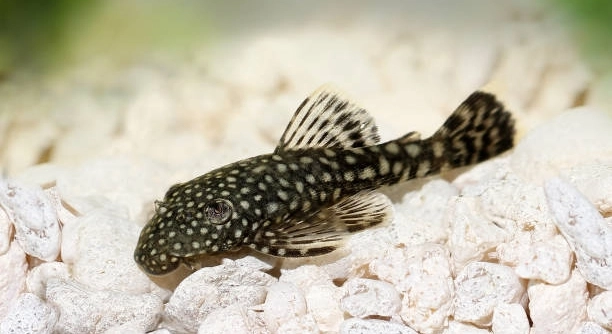
Are your plecos struggling to keep still near your aquarium’s strong water flow? You may be wondering if high flow filters are affecting their comfort or health in any way. Let’s take a closer look.
Plecos can generally handle high flow filters, especially species that originate from fast-moving rivers. Their body shape and suction-cup mouths help them stay attached to surfaces. However, excessive current may still cause stress, depending on the tank setup.
Knowing how to adjust flow strength and provide resting areas can make a big difference for your pleco’s well-being and overall behavior.
Why Flow Matters for Plecos
Plecos are built for flowing water, but not all setups are the same. In the wild, many species come from rivers with strong currents, which helps explain their sturdy bodies and ability to cling to rocks and surfaces. However, in an aquarium, the layout and type of filter matter. High flow filters can be useful for keeping water clean and oxygenated, but too much current in the wrong place can overwhelm or stress a pleco. A balanced tank provides both movement and calm areas. Driftwood, large rocks, and plants help create these low-flow zones. Observing your pleco’s behavior can tell you a lot—if it constantly clings to one quiet spot or struggles to stay in place, it might be time to make changes. Maintaining steady oxygen and a good filtration system is important, but not at the cost of your pleco’s comfort.
Some plecos are more tolerant of current than others, so species matters.
The best approach is to design your tank to match the pleco’s natural habitat. Keep water flowing along one main path, and leave hiding spots and resting areas out of the direct flow. Sponge filters or flow deflectors can help manage movement without reducing filtration quality. A mix of surfaces like smooth stones, driftwood, and solid decor will let your pleco find its own preferred spot. Watch for signs of stress such as erratic swimming, clinging near the surface, or hiding excessively. When the flow is too strong, plecos may also reduce their feeding or movement altogether. Keeping a consistent water temperature and good oxygen levels also contributes to their comfort. A setup that mimics their native environment will help them thrive without constant stress from high water movement. It’s not just about strength—it’s about placement, direction, and consistency.
Creating a Comfortable Setup
Use rocks and driftwood to make low-flow zones within the tank. These areas allow plecos to rest and feel secure.
A high flow filter doesn’t have to mean a stressful environment. You can use a filter with strong output and still keep your pleco comfortable. One method is to place the filter output toward one end of the tank. This directs most of the movement in a single direction, allowing the opposite side to remain calmer. Try positioning decorations strategically to break up the current and create soft areas. You might also use a spray bar or sponge filter to slow the flow in specific zones. Make sure your pleco has places to retreat to if the current becomes tiring. Tank size also matters—a larger tank allows for more natural flow variation. Proper lighting, consistent water changes, and regular monitoring will keep your tank clean while making it a better home. Your pleco’s behavior will tell you if you’ve found the right balance.
Signs the Flow Is Too Strong
If your pleco stays hidden most of the day, avoids open areas, or clings tightly to one surface, the flow may be too strong. Decreased activity, irregular swimming, or skipped feedings can also indicate discomfort due to high water movement.
Watch for signs like constant suctioning in one place, swimming against the current without rest, or avoiding food that drifts quickly in the flow. These behaviors show your pleco is struggling to stay comfortable. Another indicator is hiding more than usual or refusing to explore areas with stronger currents. Even if the water quality is excellent, too much movement can create stress. Plecos need stability and areas where they can eat and rest without effort. If the fish seems more alert and active when the filter is off during maintenance, that’s also a clear clue that adjustments may be needed. Placement and flow direction often make a big difference.
Some plecos will even lose color or appear pale when stressed by fast-moving water. A pleco that used to be active but now stays in corners or behind decorations may be reacting to a flow that’s too intense. Watch its breathing, too—rapid gill movement is often a sign of stress. Uneven flow that bounces around the tank or creates unpredictable turbulence can make your pleco uncomfortable. If you’re seeing these changes, try shifting the filter output or adding more hiding places. A calmer environment lets your pleco move more naturally, rest when needed, and explore more often. Adjustments don’t have to reduce filtration—just guide the water in a way that mimics natural riverbanks with both current and shelter.
Species Differences in Flow Tolerance
Some plecos naturally prefer stronger water movement, while others feel more at ease in calmer setups. Their origins matter—river-dwelling types are better adapted to current than those from still waters or muddy streams.
For example, species like the Rubber Lip Pleco and the Hillstream Loach (which is often mistaken for a pleco) are better suited for fast-flowing setups. On the other hand, the Bristlenose Pleco and Clown Pleco tend to do better in moderate to low current environments. Understanding your pleco’s background helps you decide how to set up the tank. Younger plecos or smaller species may have a harder time dealing with constant strong flow, while larger ones can manage better with their stronger suction. Always research the specific type you have, as their needs can vary widely. The more closely you match your tank to their natural habitat, the more comfortable and healthy your pleco will be.
Adjusting Flow Without Changing Filters
You can reduce the current by angling the filter output toward a wall or decor. This helps slow the water movement across the tank without lowering the filtration quality or needing to replace equipment.
Another option is adding a sponge pre-filter to the intake or placing filter media at the output. Both methods soften the flow and make the environment more stable for plecos that prefer calmer water.
Best Tank Layout for Mixed Flow
A good setup combines open space with areas blocked from strong flow. Place the filter output on one side and direct it along the back wall. Add rocks, driftwood, and tall plants near the front and corners to slow down the current. This layout allows plecos to choose what they prefer—rest or movement—based on how they feel throughout the day. It also keeps filtration efficient and water oxygenated. Using substrate mounds or caves can further help create gentle zones. Even with a strong filter, a well-planned layout can offer your pleco a more natural and balanced home environment.
Feeding in High Flow Tanks
Feeding time in high-flow tanks can be tricky. Use sinking pellets and feed in low-flow zones to keep food from drifting away.
FAQ
Can plecos live in tanks with strong current?
Yes, many plecos can live in tanks with strong currents, but it depends on the species. Some plecos, like the Rubber Lip Pleco and Hillstream Loach, thrive in fast-moving water, while others, such as the Bristlenose Pleco, prefer calm environments. It’s essential to match the tank setup to your pleco’s natural habitat for the best comfort.
What should I do if my pleco seems stressed by the current?
If your pleco seems stressed, consider reducing the water flow by adjusting the filter output or adding baffles. Adding hiding spots or planting areas where the current is gentler can help. If your pleco spends more time hiding or clinging to surfaces, it might be reacting to high water movement. Try adjusting the flow or adding more decorations to help ease the stress.
How can I reduce the current without changing the filter?
You can reduce the current without changing the filter by positioning the filter output at an angle or directing it toward a wall. Adding a sponge pre-filter to the intake can also help manage water flow. Another option is using a spray bar or positioning rocks and plants in a way that blocks or softens the flow.
Is a sponge filter better for plecos?
Sponge filters can be a good option for plecos, especially for species that prefer calmer water. They provide filtration without creating strong currents, and they’re gentle enough for sensitive fish. However, sponge filters might not offer the same level of mechanical filtration as stronger filters. If you opt for a sponge filter, make sure to have a secondary method of water movement for oxygenation and waste removal.
How can I tell if my pleco is healthy in a high-flow tank?
A healthy pleco in a high-flow tank will show normal behavior, such as swimming actively, eating regularly, and moving around the tank. It will not spend excessive time clinging to surfaces or hiding. Healthy plecos will also have vibrant coloring. If your pleco seems lethargic, refuses to eat, or stays in one spot for extended periods, the current might be too strong for it.
Can plecos adapt to higher current over time?
Some plecos can adapt to stronger currents over time, especially if they are species that naturally live in faster-moving water. However, this depends on the pleco’s size, species, and overall health. If your pleco seems uncomfortable, it’s best not to force it to adapt to a high-flow environment, as prolonged stress can lead to health issues.
How do I create resting areas for plecos in a high-flow tank?
To create resting areas, place large rocks, driftwood, or decorations in corners and along the back wall of the tank. These objects will block the flow and provide a place where the pleco can rest comfortably. Adding plants or sponge filters can also create calm zones for plecos to escape stronger currents. Make sure the resting areas are accessible and provide plenty of space for the pleco to move around without struggling against the current.
Should I adjust the flow during feeding time?
Yes, adjusting the flow during feeding time can help ensure that food stays in the right areas. Strong currents can cause pellets or food to drift away, making it hard for plecos to catch them. By turning down the filter output during feeding, you can make it easier for your pleco to find and eat the food. Once the pleco has finished eating, you can return the filter flow to its regular strength.
Are plecos more likely to get injured in strong currents?
Injuries from strong currents are not common, but stress from constant swimming against the current can weaken a pleco’s immune system and make it more susceptible to illness. If the flow is too strong, your pleco may also struggle to find resting spots or avoid obstacles, which could increase the risk of injury. It’s crucial to maintain a balanced flow to prevent any physical or stress-related health issues.
Can I use a canister filter with strong output for plecos?
Yes, you can use a canister filter with a strong output, but it’s important to manage the flow. Canister filters are highly effective for filtration, but they can create strong currents that might stress your pleco. To make it more pleco-friendly, you can install a spray bar to disperse the flow more evenly or use a flow control valve to adjust the water movement.
How do I know if the water flow is too strong for my pleco?
If your pleco is constantly struggling to swim against the current or clinging to surfaces, it could be a sign that the flow is too strong. Additionally, if the pleco is hiding more than usual or avoiding feeding, these are clear indicators that the current may be overwhelming. Observe your pleco’s behavior closely, and if it seems stressed or uncomfortable, consider adjusting the water flow.
Can plecos live in a tank with a powerhead filter?
Plecos can live in a tank with a powerhead filter, but you’ll need to adjust the flow to prevent the current from becoming too strong. Powerhead filters are powerful and efficient, but they can create high water movement that might stress your pleco. Use a diffuser or a flow control valve to soften the current and create calm areas where your pleco can rest.
Final Thoughts
When keeping plecos in a tank with high flow filters, it’s essential to consider their specific needs. Some plecos, like the Rubber Lip and Hillstream Loach, are naturally accustomed to high-flow environments and can handle stronger currents. However, others, such as the Bristlenose Pleco, prefer calmer waters and may struggle with fast-moving water. The key is understanding the species of pleco you have and ensuring the environment is suitable for their comfort and well-being.
You can modify the flow in the tank to suit your pleco’s needs without changing the filter itself. Simple adjustments, like angling the filter output or adding decorations, can reduce the strength of the current in certain areas. Creating resting zones using rocks, plants, or driftwood provides plecos with places to hide from strong currents, allowing them to feel secure and reduce stress. Additionally, maintaining clean water and proper oxygenation is vital to ensure that even in a high-flow tank, your pleco stays healthy.
In the end, the most important factor is finding the right balance between filtration and water movement for your specific pleco. High-flow tanks can be effective for some plecos, but others need a gentler environment. With the proper tank setup and adjustments, you can create an ideal habitat that supports your pleco’s needs while keeping the water clean and oxygenated. Understanding their preferences and adjusting the flow accordingly ensures that your pleco remains happy and healthy in its home.

Hello,
If you enjoy the content that we create, please consider saying a "Thank You!" by leaving a tip.
Every little bit helps us continue crafting quality advice that supports the health, happiness, and well-being of pets around the world, for pets of all shapes, sizes, and species.
We really appreciate the kindness and support that you show us!