
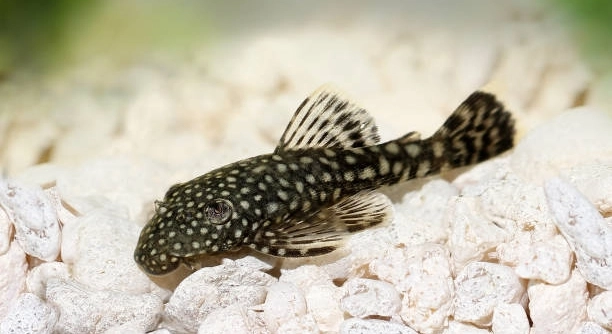
Plecos are popular freshwater fish known for their algae-eating habits and peaceful nature. As aquarium enthusiasts, it’s essential to understand their needs beyond feeding and tank maintenance, especially when it comes to their exposure to light.
Plecos can get sunburned from excessive tank lighting. Their skin is sensitive to UV rays, and prolonged exposure to intense artificial light can cause damage, leading to redness or peeling. Proper tank lighting is crucial to their well-being.
Understanding how to care for your pleco in terms of lighting will help maintain its health. Keeping the tank environment balanced is key to ensuring your fish thrives.
The Importance of Proper Tank Lighting
Plecos, like many aquarium fish, require proper lighting to thrive. However, excessive exposure to tank lights can be harmful to their skin. The lighting should mimic natural conditions to support their health. Many plecos come from shaded, low-light environments in the wild, so it’s essential to avoid overly bright or harsh lights. Providing them with appropriate lighting that resembles their natural habitat helps reduce stress and promotes a sense of security. Over time, prolonged exposure to high-intensity tank lights can lead to sunburn-like symptoms, such as redness or skin peeling. It’s crucial to regulate lighting duration and intensity to prevent this.
Many aquarium owners may overlook the impact of lighting on their fish. Yet, tank lights can directly affect the skin and overall health of plecos. Ensuring they receive the right amount of light is key to their well-being. Additionally, avoid placing your tank in direct sunlight or near a window where the light can intensify.
Proper tank lighting also plays a role in regulating the pleco’s daily cycle. A balance of light and darkness supports their natural rhythm, allowing for peaceful rest periods. It’s important to stick to a regular lighting schedule to mimic the night-day cycle of their environment. With the right setup, plecos will feel more comfortable and less stressed, promoting healthier behavior and growth. Avoiding long periods of direct exposure to artificial lights will also prevent burns and reduce unnecessary harm to your fish.
How to Prevent Sunburn in Plecos
Ensuring that plecos do not suffer from sunburn involves setting up the tank carefully. A timer for the light can help regulate exposure.
In addition to controlling light duration, positioning tank lights away from direct sunlight will help prevent overheating. It’s beneficial to also use softer LED lighting, as it’s less likely to cause damage to the pleco’s skin.
It’s also helpful to monitor your pleco’s condition regularly. If you notice any signs of skin damage, such as peeling or redness, it may be a result of too much exposure to light. It’s essential to adjust your setup immediately. Reducing the lighting intensity and duration is an immediate solution. You can also consider adding some plant cover in the tank to create shaded areas for your pleco. This offers them a refuge from the light and provides a more natural environment. Making small adjustments like these can help prevent issues related to lighting exposure.
Signs of Sunburn in Plecos
Sunburn in plecos can show up as noticeable changes in their skin. You might see redness, peeling, or irritation. In severe cases, the skin can start to break down, leading to lesions. These symptoms indicate the pleco has been exposed to too much light. If these signs appear, it’s important to take immediate action to reduce lighting intensity.
Sunburn can cause discomfort for plecos, and if left unchecked, it may lead to further health issues. It’s essential to regularly check your pleco for signs of damage, especially if you’ve recently adjusted the lighting. If you notice these signs, it’s best to act quickly by reducing light exposure. In some cases, providing your pleco with a shaded area in the tank will help them recover. Using a gentle filter to reduce direct light exposure and adjusting tank positioning can also prevent further harm.
In some instances, plecos may become stressed or lethargic when exposed to too much light. This can be a direct result of sunburn, as their skin is sensitive and can become irritated. While plecos are hardy fish, constant stress from improper lighting can weaken their immune system and make them more susceptible to other health issues. Therefore, monitoring light exposure is critical to preventing sunburn and maintaining your pleco’s health.
Adjusting Tank Light for Plecos
Adjusting the lighting in the tank is crucial to keeping plecos safe from sunburn. A simple step is to use a timer for lights, ensuring they are not on for excessive periods.
Also, adjusting the distance between the light source and the tank can help. Moving the lights further from the water’s surface reduces the intensity of the light hitting the pleco. This small change can make a significant difference in the tank’s environment. Additionally, using a dimmer or choosing low-wattage lights ensures that the intensity is appropriate for your pleco’s needs. You can even position the tank away from direct sunlight to avoid any additional heat or light exposure.
Another effective solution is incorporating tank plants or décor that naturally create shaded areas. This allows your pleco to move to a more comfortable, lower-light environment when necessary. Providing different areas of light and dark gives them the opportunity to seek relief from excessive lighting. With these adjustments, you can help prevent sunburn while also ensuring your pleco’s tank remains a peaceful and healthy space.
The Role of UV Lighting
UV lighting can benefit some aquarium fish, but plecos are not one of them. They don’t require UV light to thrive, and it may harm them over time. Excessive UV exposure can increase the risk of sunburn or skin irritation.
For plecos, regular tank lighting is sufficient. You can still provide some indirect lighting to mimic their natural habitat, but avoid UV bulbs that emit intense light. This helps prevent skin damage and keeps your pleco comfortable. If you want to use UV lighting for other tank species, make sure the pleco is in a shaded area to avoid direct exposure.
Tank Setup to Reduce Light Stress
To reduce light stress for plecos, focus on creating shaded areas with plants, rocks, or decorations. These can provide your pleco with safe spots to rest and avoid overexposure to the light.
By adjusting the tank setup, you create a more natural environment where plecos can seek comfort. Adding floating plants also gives them more control over light exposure. This setup is beneficial not only for preventing sunburn but also for improving your pleco’s overall well-being.
Use of Timer for Lighting
Using a timer for your tank light is an easy solution to prevent overexposure. Set it to mimic the natural day-night cycle, typically around 10 to 12 hours of light per day.
This method ensures your pleco isn’t exposed to artificial light for too long, reducing the risk of skin damage. Regular schedules also help maintain a stable environment, which plecos prefer.
FAQ
Can plecos be exposed to direct sunlight?
Plecos should not be exposed to direct sunlight for long periods. While natural light can provide some benefits, prolonged exposure can raise the tank temperature and cause skin damage. Direct sunlight can also promote algae growth, making it harder to maintain a clean tank. To keep your pleco safe, position the tank away from windows or areas where sunlight directly hits the water for extended periods.
How long can plecos tolerate artificial lighting?
Plecos can tolerate artificial lighting as long as it’s regulated properly. A typical lighting schedule should last 10 to 12 hours per day, mimicking natural daylight cycles. It’s important to avoid keeping lights on 24/7, as this disrupts their natural rhythms and may cause stress. Use a timer to control the lighting duration and ensure it doesn’t exceed recommended times.
What kind of tank light is best for plecos?
A regular aquarium light is best for plecos. LED lights are a good choice because they are energy-efficient and produce less heat, which helps maintain stable water temperatures. Ensure that the light isn’t too intense or harsh. Avoid using UV lighting unless necessary, as it can harm your pleco’s skin.
How do I know if my pleco has sunburn?
Signs of sunburn in plecos include red or peeling skin, lesions, and increased lethargy. If your pleco is showing these symptoms, it’s a sign that it has been exposed to excessive lighting or direct sunlight. Adjust the tank lighting immediately, and provide shaded areas for the pleco to recover. Reducing the intensity and duration of the light is crucial to prevent further damage.
Can plecos live without lighting?
While plecos don’t need lighting for survival, they do need it to regulate their daily cycles. A low level of ambient light helps plecos maintain their natural sleep patterns. However, too much light can be harmful, so a balanced lighting schedule is necessary for their health and well-being.
Can plecos get sunburn in low-light tanks?
Plecos are unlikely to get sunburn in low-light tanks because they thrive in environments with minimal direct light. As long as the lighting is not intense and is within a reasonable duration, your pleco will be fine. If you notice any skin damage, it could be due to sudden changes in light or improper tank conditions, so check your setup accordingly.
What is the best way to reduce light stress for plecos?
To reduce light stress, ensure that your pleco has access to shaded areas in the tank. Use plants, rocks, or tank decorations to create places where your pleco can retreat from bright lighting. A timer for the lights helps maintain a regular schedule, while keeping the lighting intensity moderate reduces stress on your pleco.
Should I use a light for my pleco at night?
No, it’s unnecessary to use light for plecos at night. They thrive in natural day-night cycles, and providing complete darkness at night helps them rest. Keeping the tank dark for a few hours each night will mimic their natural environment and promote better sleep. Overexposure to light can stress them out, so it’s best to let them rest in a dark environment.
Can plecos handle different types of tank lights?
Plecos can handle different types of tank lights, but it’s important to choose one that suits their needs. LED lights are ideal because they provide gentle, consistent illumination. Fluorescent lights can also be used but may require adjustments to avoid excessive heat or brightness. Always keep the lighting intensity at a level that plecos are comfortable with, and adjust based on the tank’s needs.
How often should I change the lighting in my pleco’s tank?
You don’t need to change the lighting frequently as long as the current setup is appropriate. However, you should clean the light fixtures regularly to ensure they are working efficiently. If you notice any signs of algae growth or if the light begins to dim, consider replacing the bulbs to maintain proper light levels. Regular maintenance ensures the lighting remains safe and effective for your pleco’s health.
Are there any long-term effects of sunburn in plecos?
Long-term effects of sunburn in plecos can include skin damage, weakened immune systems, and increased susceptibility to infections. Prolonged exposure to excessive light can lead to chronic stress, which negatively impacts overall health. If your pleco suffers from sunburn, it’s essential to take immediate action by adjusting the tank environment to prevent further damage. Proper care and a balanced lighting schedule will prevent long-term consequences.
Can plecos recover from sunburn?
Yes, plecos can recover from sunburn if the proper care is provided. Reducing light exposure and providing shaded areas in the tank helps them heal. Recovery may take some time, depending on the severity of the sunburn. During this time, ensure that the pleco is not stressed further, and give them a calm, shaded environment to rest. With proper care, the pleco’s skin should heal, and they will return to normal health.
What should I do if my pleco has sunburn?
If your pleco has sunburn, immediately reduce the intensity of the tank lights and avoid direct sunlight. Create shaded areas using tank plants, rocks, or decorations, and use a timer for lighting to limit exposure. If the skin damage is severe, you may need to move the pleco to a separate tank with more controlled lighting conditions. Regular monitoring and adjustments will help prevent further harm.
Can plecos handle tank lights that change colors?
Plecos can tolerate tank lights that change colors as long as the intensity remains at a safe level. However, rapidly changing colors or overly bright lights can stress your pleco. Stick to calm, steady lighting that mimics natural daylight. Color-changing lights should be used cautiously, ensuring that they don’t cause discomfort for your pleco. Always prioritize their comfort over aesthetic lighting.
How can I create a natural light environment for my pleco?
Creating a natural light environment involves mimicking the conditions they would experience in the wild. Use low-intensity LED lights to replicate the gentle light from the environment they come from. Provide shaded areas with plants or tank decorations where your pleco can retreat if the light becomes too intense. Set a timer to ensure the light schedule follows natural patterns, with periods of complete darkness during the night.
Final Thoughts
Understanding the lighting needs of your pleco is essential to ensure they thrive in their tank environment. While plecos do not require direct sunlight or intense artificial lighting, providing a balanced and controlled light cycle is important for their well-being. Too much light, whether natural or artificial, can lead to skin irritation, stress, and other health issues. By adjusting the lighting, you can prevent these problems and create a more comfortable habitat for your pleco.
A good practice is to maintain a regular lighting schedule that mimics natural day and night cycles. Keeping the lights on for 10 to 12 hours a day is generally sufficient. Use a timer to regulate this, ensuring the pleco is not exposed to light too long. Avoid using UV lights or harsh artificial lighting unless necessary. Additionally, creating shaded areas within the tank using plants or rocks gives your pleco a place to retreat from bright light, offering them a more natural environment.
In conclusion, light plays a significant role in your pleco’s overall health. With the right lighting setup and regular adjustments, you can prevent potential damage and ensure your pleco feels secure in its home. Monitoring their behavior and skin health is also crucial. If you notice any signs of stress or sunburn, it’s important to address them promptly. With these simple steps, your pleco can enjoy a healthy, balanced, and safe environment.

Hello,
If you enjoy the content that we create, please consider saying a "Thank You!" by leaving a tip.
Every little bit helps us continue crafting quality advice that supports the health, happiness, and well-being of pets around the world, for pets of all shapes, sizes, and species.
We really appreciate the kindness and support that you show us!