
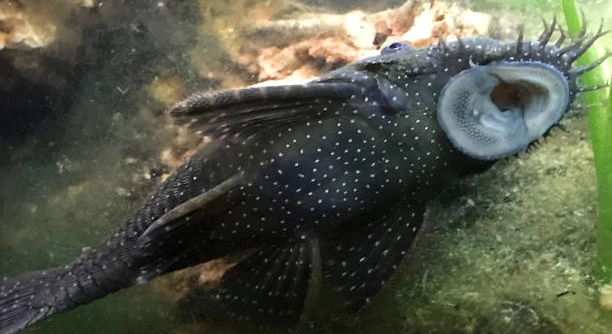
Do you ever find yourself noticing your pleco spending a lot of time near the top of the tank or hanging around the glass lid? Their behavior might leave you wondering what exactly they’re planning.
Plecos are capable of climbing out of an aquarium if given the opportunity, especially when the tank lacks a secure lid or proper water conditions. Their strong suction abilities and need for exploration make escape attempts possible.
Understanding what drives this behavior can help you create a safer and healthier environment for your pleco, while also preventing future escapes.
Why Plecos Try to Escape
Plecos are bottom-dwelling fish, but they can be surprisingly active and strong. In some cases, they try to climb out of the aquarium. This usually happens when something in their environment is off. Poor water quality, lack of space, or low oxygen levels can make them uncomfortable. When that happens, they search for a better spot—sometimes outside the tank. A missing or loose lid makes it easier for them to escape. These fish are also nocturnal, so escape attempts often happen at night. Even if the tank looks fine, subtle changes in water parameters can be enough to make a pleco restless. While not all plecos will try to leave their tanks, the risk is higher with certain types, especially larger or wild-caught ones. It’s important to notice any unusual activity or behavior. Acting early helps avoid accidents and keeps your pleco safe and healthy in its home.
Make sure your aquarium has a tight-fitting lid and steady water parameters to reduce escape risks.
If your pleco keeps acting restless near the top, it could be a sign of something wrong in the tank. Check the water quality and look for changes in behavior. Some plecos are more active than others, so learn what’s normal for yours.
Common Reasons Behind Escapes
Poor water conditions are one of the biggest reasons plecos try to leave the tank.
Ammonia spikes, low oxygen levels, and sudden changes in temperature can make the tank stressful. Plecos are sensitive to their environment, even if they don’t show it right away. A dirty or overcrowded tank can also cause issues. They need space to move, places to hide, and proper food. If those needs aren’t met, they may start looking for another place—like outside the tank. Sometimes, they simply find a way out while exploring. They have strong suction mouths and can climb glass or decorations that lead to the surface. Openings near filters, heaters, or loose lids give them a way out. This behavior isn’t about being curious, but about survival. That’s why it’s important to monitor tank conditions often. Weekly water checks, regular filter maintenance, and avoiding overcrowding are simple ways to prevent stress. When plecos are comfortable, they stay in the tank, just as they should.
How to Prevent Escapes
A secure lid is one of the easiest and most effective ways to stop plecos from climbing out. Make sure it fits tightly and has no gaps near filters, cords, or other openings.
Keeping the tank environment stable is just as important. Clean the water regularly and avoid sudden changes in temperature or pH. Make sure there’s enough oxygen in the water, especially if the tank is heavily stocked. Adding air stones or increasing surface movement can help. Include hiding spots like caves or driftwood to give your pleco a place to rest and feel safe. A stressed fish is more likely to act out. Also, try not to move things around too often. Plecos like routine, and sudden changes may cause them to panic or roam. Monitor their behavior at night when they’re most active. A calm, healthy pleco won’t try to leave its tank.
If you’re still noticing strange behavior, double-check the tank size. Plecos grow fast and need more space than most people expect. Small tanks can make them uncomfortable, and that leads to restlessness. A larger tank with the right setup gives them room to grow and stay calm. Don’t forget, a proper environment keeps them happy and less likely to escape.
Tank Setup Tips That Make a Difference
A proper tank setup helps lower stress and keeps your pleco from wandering. Avoid sharp decorations, and focus on smooth rocks and wood. These provide comfort and reduce injury. Always check for escape routes during cleaning or equipment changes.
Your pleco’s comfort depends on more than water quality. Tank layout plays a big role. Use low lighting or shaded areas since plecos are nocturnal and prefer dim environments. Add driftwood—not just for decoration, but because many plecos feed on the surface of the wood. Choose a soft substrate like sand or smooth gravel to avoid injury. Avoid placing decorations close to the surface, as they can give plecos a boost to climb out. If you use a hang-on-back filter, make sure the gap around the intake is sealed. A few simple setup changes can make a big difference. Focus on their natural habits, and they’ll stay right where they belong.
Signs Your Pleco Might Try to Escape
If your pleco keeps swimming near the top or around the tank edges, it could be looking for a way out. Watch for frequent, sudden movements, especially at night, when they are most active and more likely to explore escape routes.
A pleco that’s stressed may also stop eating or hide more than usual. Rapid gill movement or rubbing against objects can mean water quality issues. These are early signs that something isn’t right, and fixing the problem quickly can prevent an escape attempt.
What to Do If Your Pleco Escapes
If your pleco climbs out, act fast. Gently pick it up using wet hands or a soft net to avoid damaging its skin. Place it back in the tank immediately. Make sure the water is clean and oxygenated, and monitor it closely for the next 24–48 hours. Plecos can survive short periods out of water if they stay moist, but time is critical. After placing it back in the tank, double-check all openings and lids to stop it from happening again. It’s also a good idea to test the water to make sure poor conditions didn’t cause the escape.
Final Thoughts on Pleco Safety
Catching signs early and setting up your tank properly can stop most escape attempts. Keeping your pleco safe starts with knowing what they need and staying consistent.
FAQ
Can plecos really survive out of water for a while?
Yes, plecos can survive out of water for short periods, often up to 30 minutes or a little longer, depending on the conditions. They can breathe air to a certain extent and have tough skin that holds moisture. However, this doesn’t mean they’re safe outside the tank. The longer they’re out, the higher the risk of serious harm or death. They may also injure themselves trying to move around on dry surfaces. If you find your pleco outside the tank, return it to water right away and monitor its behavior over the next day or two.
Why do plecos go near the top of the tank so often?
When plecos spend too much time near the top, it usually means something isn’t right in the tank. Low oxygen levels are a common cause. Poor water quality, especially ammonia or nitrite spikes, can also push them to the surface. Some plecos may do it out of habit or natural behavior, especially at night when they’re more active. Still, if this becomes a regular thing, it’s a sign you should test the water and check your filtration. Keeping oxygen levels steady and the water clean usually brings them back to their normal habits.
Do all types of plecos try to escape?
Not all plecos are known to escape, but some are more likely to than others. Wild-caught plecos and certain species like the Common Pleco or Sailfin Pleco are bigger and more active, increasing the chances of escape. Smaller species like Bristlenose tend to be less restless but are still capable of climbing if conditions aren’t right. Each pleco is different. Knowing your fish’s normal habits helps you spot when something’s off. Even if your pleco has never tried to escape before, it’s still important to secure the tank just in case something causes it to try.
How do I make sure my aquarium lid is escape-proof?
Use a tight-fitting lid that locks into place or sits flush across the top of the tank. Avoid leaving gaps around cords, filter openings, or tubing. If your filter is hanging on the back, check the space around it and cover it if needed. You can use plastic wrap or mesh to block small gaps if a full lid isn’t an option. Double-check everything after maintenance or water changes. Plecos are strong and can wedge themselves through small spaces. Making sure there are no openings is one of the easiest ways to keep them safe.
What’s the best tank size to prevent stress and escape attempts?
Many people underestimate how large plecos can get. A Common Pleco can reach 18–24 inches, which means it needs at least a 75-gallon tank, if not more. Smaller species like Bristlenose need around 30 gallons. A tank that’s too small can lead to stress, which increases the risk of strange behavior, including trying to escape. When in doubt, go bigger. More space allows for better water quality, more hiding spots, and a more stable environment. If your pleco seems restless, cramped conditions might be the reason.
Is jumping the same as climbing when it comes to plecos escaping?
No, it’s not the same. Plecos don’t typically jump like some other fish do, but they are strong and can use their sucker mouth to climb tank walls, decor, and equipment. If there’s a way up and out, they can take it. They’re more likely to climb slowly and slip through an opening than leap out. That’s why checking for climbable paths and sealing gaps is important. Some people mistake escape behavior for jumping, but it’s usually a slow, steady climb that ends with them sliding out of the tank.
Can stress really cause a pleco to escape?
Yes, stress is one of the biggest triggers. Poor water conditions, lack of hiding spaces, constant light, loud noise, or even sudden changes in the tank can cause stress. When a pleco feels uncomfortable, it will search for a safer space, even if that means trying to leave the tank. Recognizing signs of stress—like hiding too much, losing color, or being overly active at odd hours—can help you respond before things escalate. Creating a calm, stable setup goes a long way in preventing escape behaviors.
Is it okay to handle a pleco with bare hands if it escapes?
It’s best to wet your hands before touching a pleco. Their skin is sensitive, and dry hands can damage their slime coat, which protects them from infections. If possible, use a soft fish net. But if you have to use your hands, do so gently and with care. Keep the pleco moist and return it to the water quickly. Once it’s back in the tank, keep an eye out for signs of injury or stress over the next day or two. Most plecos recover just fine if helped quickly and gently.
Final Thoughts
Plecos are strong, active fish that sometimes do things owners don’t expect. One of those things is trying to climb out of the aquarium. This behavior can be surprising, but it often means that something in the tank isn’t right. Poor water quality, a small tank, or low oxygen levels are common reasons. A pleco might also try to escape if there aren’t enough hiding places or if the tank lid is loose. While not all plecos will attempt to leave the tank, it’s important to understand that it can happen. Knowing the signs and acting early can help prevent problems.
A secure tank setup makes a big difference. Use a tight lid, check all openings, and avoid decorations that lead to the water’s surface. Keeping the water clean and stable is just as important. Regular water tests, filter maintenance, and proper feeding routines support your pleco’s health and comfort. The tank should also match the size and needs of the pleco you have. Some species grow very large and need more space than most people realize. When plecos are kept in a safe, well-maintained tank, they usually stay calm and don’t show escape behaviors.
Watching your pleco closely is key. Changes in behavior—like swimming near the top, hiding more, or acting restless—can tell you when something is off. These signs are small but important. Responding early keeps your pleco safe and prevents risky situations. If your pleco ever escapes, act fast, handle it gently, and fix the problem that caused it. While the idea of a fish climbing out might seem unusual, it’s something that can be managed with a little awareness and care. A secure, peaceful tank helps your pleco stay happy—and stay where it belongs.

Hello,
If you enjoy the content that we create, please consider saying a "Thank You!" by leaving a tip.
Every little bit helps us continue crafting quality advice that supports the health, happiness, and well-being of pets around the world, for pets of all shapes, sizes, and species.
We really appreciate the kindness and support that you show us!