
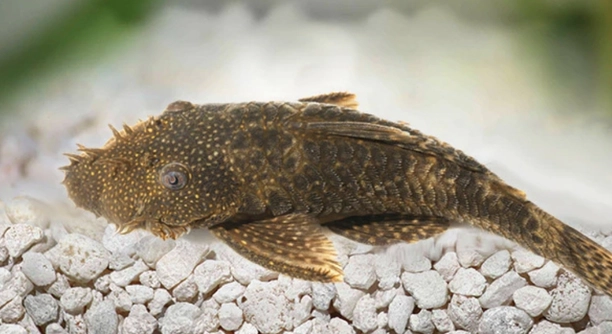
Plecos are popular aquarium fish known for their peaceful nature and algae-eating habits. But, as they age, you might start noticing some changes in their behavior. It’s important to understand how these shifts affect their interactions with other fish.
As plecos mature, they can sometimes become more territorial and aggressive, especially in smaller or crowded tanks. This behavior is generally linked to their need for space, food, or to assert dominance over other tankmates.
Understanding why plecos may act aggressively as they grow will help you maintain harmony in your tank. Proper tank conditions can make a significant difference in their behavior and overall well-being.
What Happens to Plecos as They Age?
As plecos age, their behavior can start to change in noticeable ways. When they are young, they are generally calm and peaceful, content with their environment. However, as they grow larger, they may develop more aggressive tendencies. This can be due to several factors, such as changes in their territorial instincts or the need for more space to swim freely. Adult plecos may also become more protective of their space or food. These changes are natural, but they can sometimes create conflicts with other tank mates, especially in smaller tanks. If you notice your pleco becoming more dominant, it could be a sign that they are simply maturing.
Plecos typically become territorial when they mature. Their aggression is usually not aimed at humans, but at other fish that may invade their space. Ensuring they have enough room in the tank is essential to reducing these issues.
When keeping a pleco, it’s essential to be aware of their evolving needs. A larger tank with plenty of hiding spots, such as caves or plants, can help. This offers them space and privacy, which are crucial as they grow. Also, be mindful of tankmates. Some fish species are better suited to share a tank with plecos, while others may provoke aggression. In any case, ensuring that your pleco feels safe and has enough room to swim comfortably can help minimize any aggressive behaviors.
Why Do Plecos Become Aggressive?
A pleco’s aggression often stems from their need to feel secure. As they get older, they may develop a stronger sense of territoriality. Without enough space or hiding spots, they can become stressed. This stress leads to defensive actions.
Providing a larger tank for your pleco helps alleviate many issues related to territoriality. A spacious environment offers a calm space for them to navigate and claim their territory without feeling overcrowded. Adding decorations such as rocks and plants will allow plecos to have personal hiding spots, minimizing the risk of conflicts with other tank mates. It is also helpful to avoid keeping too many other fish that may compete for food or space. By focusing on creating a peaceful and roomy tank, you are setting your pleco up for a happier and less aggressive life.
Tank Size and Space Considerations
Plecos need a lot of room to thrive, especially as they grow. Without enough space, they may start to feel stressed, leading to aggressive behaviors. It’s recommended to keep plecos in tanks that are at least 75 gallons for larger species.
As plecos grow, they need more space to swim freely. A small tank can limit their movement, making them more territorial. In cramped conditions, plecos may fight for space, food, or shelter, increasing their stress levels. It’s important to choose a tank size that allows them to grow comfortably. Larger tanks with plenty of open space will reduce the chance of aggression.
Providing a spacious tank with hiding spots is key. Plecos need areas to retreat to, especially when they feel threatened. This helps reduce territorial disputes and provides them with a sense of security. The right size tank not only prevents aggression but also improves the pleco’s overall health and well-being. Be mindful of tankmates as well, as other fish might also contribute to stress in smaller tanks.
Tank Mates and Compatibility
When selecting tankmates for your pleco, it’s important to pick species that won’t trigger aggression. Plecos are peaceful, but certain fish can stress them out, leading to territorial disputes. Avoid overly active or aggressive fish.
Tankmates should be selected with care, as some fish might compete for food or space, increasing stress for your pleco. Choose species that are peaceful and don’t invade the pleco’s space. Avoid fast swimmers or overly territorial fish. Some fish that do well with plecos include peaceful tetras, guppies, and certain types of catfish. It’s also important to avoid keeping plecos with smaller or fragile fish, as they may inadvertently be bullied.
Always keep in mind that plecos, especially as they mature, prefer peace. Incompatible tankmates can cause them to become stressed and aggressive. To reduce any issues, monitor the interactions between your pleco and its tankmates. If any signs of aggression appear, such as chasing or fighting, consider rehoming more aggressive fish or rearranging the tank setup to reduce stress.
Feeding Habits and Aggression
A pleco’s feeding habits can play a role in its aggression. If there isn’t enough food or if other fish are competing, plecos may become more aggressive. Ensure there is plenty of food available for all tankmates to reduce stress.
When plecos don’t have enough food, they may become territorial, guarding their food source from other fish. It’s important to feed them a balanced diet that includes algae, vegetables, and occasional protein. If the pleco is underfed or has to compete for food, they might act out aggressively. Consider feeding them at different times to avoid competition.
To minimize feeding-related aggression, provide enough food to satisfy all tankmates. Offering a variety of foods ensures that the pleco gets the nutrition it needs without feeling threatened by other fish. Keeping feeding times calm and controlled helps prevent stress and aggression in your pleco.
Pleco’s Physical Changes
As plecos age, their physical appearance changes, and these changes can affect their behavior. They become larger, and their fins and bodies may look bulkier, leading to more space requirements and a shift in their behavior.
The physical growth of plecos is often accompanied by a shift in behavior. Larger plecos may become more dominant and territorial, especially when they reach their full size. As they grow, their need for food and space also increases. Without proper care, they might become more aggressive toward other fish. Understanding these physical changes can help you manage their behavior and maintain a peaceful tank.
Stress Management
Stress is a major factor that leads to aggression in plecos. Poor tank conditions, overcrowding, or incompatible tankmates can all cause stress. Proper care and attention can help keep stress levels low and prevent aggression.
Maintaining a clean, stable environment is essential for stress management. Plecos, like many fish, thrive in stable water conditions, including consistent temperature, pH, and water quality. Regular water changes and good filtration help to keep the tank environment healthy. Ensuring that your pleco feels safe and comfortable can go a long way in preventing stress-related aggression.
FAQ
Can plecos become aggressive as they grow?
Yes, plecos can become more aggressive as they mature, especially if they feel their space or food is being threatened. As plecos grow larger, they can develop territorial behaviors. This is more likely if the tank is overcrowded or there are not enough hiding spots. Plecos are generally peaceful when young, but their natural instincts may lead to more aggression as they age. Providing enough space and hiding spots, as well as proper tankmates, can help reduce aggression.
How can I prevent aggression in my pleco?
To prevent aggression, ensure your pleco has enough space and that it isn’t overcrowded. A larger tank with plenty of hiding spots is essential. You should also choose peaceful tankmates that won’t compete for food or territory. Make sure to feed your pleco regularly and provide a balanced diet to prevent food-related stress. Monitoring the tank’s environment for changes in water quality and temperature can also help prevent aggression linked to stress.
Can plecos live with other fish?
Yes, plecos can live with other fish, but it’s important to choose compatible species. They generally do well with peaceful fish that don’t compete for the same resources. Avoid aggressive or fast-swimming fish, as they may stress out the pleco. Fish like tetras, guppies, and other peaceful bottom dwellers make good tankmates. Larger or more territorial fish may not be ideal, as they could provoke your pleco’s aggressive behavior.
What size tank do plecos need?
The size of the tank depends on the type of pleco you have. For smaller species, a tank of 30-40 gallons may be sufficient, but larger species can require up to 75 gallons or more. A bigger tank helps prevent territorial aggression by providing plenty of space for your pleco to move around. If you’re keeping multiple plecos or other tankmates, you should opt for an even larger tank to ensure everyone has their space.
Do plecos need to be alone in the tank?
While plecos can live with other fish, some species might prefer to be alone, especially as they age. If your pleco is showing signs of aggression toward other fish, it might be better to keep it in a species-specific tank. However, in larger tanks with peaceful tankmates, plecos can coexist just fine. Watch for signs of stress or aggression to determine if a solitary environment would be better for your pleco.
How can I tell if my pleco is stressed?
Signs of stress in plecos include changes in behavior, such as hiding more frequently, swimming erratically, or staying in one spot for long periods. A stressed pleco might also stop eating or display unusual body postures. Stress can be caused by poor water conditions, lack of space, incompatible tankmates, or environmental changes. If you notice these signs, it’s important to assess the tank conditions and make necessary adjustments.
Do plecos eat other fish?
Plecos are primarily herbivores and do not generally eat other fish. However, they may nibble on other fish’s slime coat if they are stressed, hungry, or if there is a lack of sufficient food in the tank. Plecos are known for eating algae, vegetables, and sinking pellets, but if they are not getting enough nutrition, they might become more aggressive and exhibit unusual behavior. Ensuring they have a balanced diet can help avoid this problem.
Why is my pleco hiding all the time?
Plecos may hide when they are feeling stressed, threatened, or if they are trying to find a more suitable space. They are nocturnal creatures and may feel more comfortable at night, coming out to feed. If your pleco is hiding during the day, check the water quality, temperature, and tank setup. Too much light, overcrowding, or incompatible tankmates can cause them to seek shelter. Make sure they have plenty of hiding spots to feel safe.
How do I keep my pleco healthy?
To keep your pleco healthy, provide a clean and stable tank environment with the right water conditions. Regular water changes, proper filtration, and maintaining a consistent temperature are all important for their well-being. A varied diet of algae wafers, vegetables, and occasional protein will keep them nourished. Monitor their behavior regularly to ensure they are not stressed, and make sure the tank is appropriately sized to allow for growth and movement.
Can plecos live in freshwater tanks?
Yes, plecos are freshwater fish and do best in freshwater tanks. They are commonly found in South American rivers and streams. Freshwater plecos thrive in clean water with a pH level of 6.5-7.5 and a temperature between 74-80°F. Ensure that the water conditions are stable, as drastic changes in pH or temperature can lead to stress and health problems.
Do plecos need a filter?
Yes, plecos produce a significant amount of waste, so a good filtration system is crucial for maintaining water quality. Plecos also contribute to the biological filtration process by consuming algae and organic matter, but they still require an external filter to ensure the water remains clean. A filter helps remove excess nutrients and waste, preventing the buildup of harmful toxins that could stress your pleco.
How long do plecos live?
Plecos can live for a long time, often up to 10-15 years or more, depending on the species and the quality of care they receive. Providing them with proper nutrition, water conditions, and space will help ensure they live a long and healthy life. The larger the pleco, the longer it may live, but it is crucial to keep up with tank maintenance and monitor their health regularly.
Final Thoughts
Plecos are generally peaceful fish, but as they grow older, their behavior can change. They may become more territorial and assertive, especially if they feel their space or food is threatened. This is a natural part of their growth and development. If you notice your pleco becoming more aggressive, it’s important to take steps to reduce stress and ensure a healthy, balanced environment. Offering enough space, proper tankmates, and a consistent feeding routine can go a long way in minimizing these behaviors.
Providing the right tank conditions is crucial for keeping your pleco happy. A larger tank with hiding spots and stable water quality will help reduce aggression and stress. Plecos need room to swim freely, and if they are in a cramped space, they might become territorial and act out. Avoid overcrowding the tank and make sure the water temperature, pH, and filtration are all appropriate for the species you have. The right environment not only helps keep aggression in check but also ensures the long-term health of your pleco.
In conclusion, understanding the changes that plecos go through as they age and adjusting their care accordingly can help you maintain a peaceful tank. While plecos may become more assertive with age, this behavior can usually be managed with proper care and attention. By ensuring they have enough space, compatible tankmates, and a balanced diet, you can prevent most issues related to aggression. Regular monitoring and maintenance of the tank environment will also help reduce stress and promote overall well-being for your pleco.

Hello,
If you enjoy the content that we create, please consider saying a "Thank You!" by leaving a tip.
Every little bit helps us continue crafting quality advice that supports the health, happiness, and well-being of pets around the world, for pets of all shapes, sizes, and species.
We really appreciate the kindness and support that you show us!