
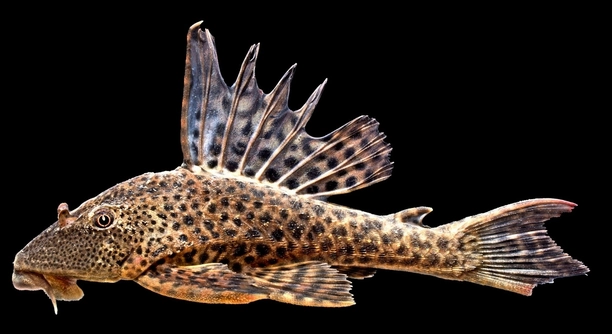
Plecos are popular freshwater fish known for their ability to help clean tanks by eating algae. Many fishkeepers consider their size and care requirements when choosing a tank, particularly its shape and size.
While tall narrow tanks may offer limited swimming space for plecos, they can still house them if the tank is large enough. However, it’s crucial to ensure the pleco has enough room to grow and thrive, as these fish can reach significant sizes.
There are a few things to consider when choosing the right tank for your pleco, including tank dimensions and filtration. Keep reading to learn more about these factors.
Tank Shape and Size Considerations for Plecos
When deciding if a tall narrow tank is suitable for a pleco, size matters most. Plecos are known for their large size and active nature. A narrow tank restricts the swimming space and can cause stress if the pleco doesn’t have enough room to move. It’s essential to prioritize tank volume over height when considering their needs. While plecos don’t need a massive length, a wider tank will provide better space for swimming, and the pleco will feel more comfortable.
A tank that is too narrow may also make it difficult to maintain proper water quality. Plecos, being bottom-dwelling fish, need space to sift through the substrate, and a narrow tank reduces this area. The width and depth of the tank should be large enough to allow plecos to exhibit their natural behavior and provide them with a healthier, less stressful environment.
The pleco’s growth rate can be significantly affected by cramped spaces, leading to stunted growth. A tank that doesn’t provide enough room for swimming and foraging will result in a less active fish, which could impact its health.
Proper Filtration for Tall Narrow Tanks
Filtration is another key factor when considering whether a pleco can thrive in a tall narrow tank. Due to their size and dietary habits, plecos produce a large amount of waste. A powerful filtration system is necessary to maintain water quality.
Without proper filtration, the waste can build up quickly, leading to harmful conditions. The tank’s dimensions may limit water flow, so it’s important to use an efficient filter that circulates water well in all areas of the tank. A strong filter that keeps the water clean will help maintain a healthy environment, even in narrow tanks. If the water flow isn’t adequate, plecos may also experience stress and weakened immune systems.
By providing a filtration system suited to your tank size, you ensure your pleco remains healthy and active. A well-maintained tank will prevent buildup of harmful substances and keep your fish in optimal conditions.
Pleco Tank Setup and Decor
When setting up a tall narrow tank for a pleco, consider adding decorations that give the fish plenty of hiding spots. Driftwood, caves, and large rocks are ideal. These provide essential spaces for plecos to feel secure and reduce stress.
Ensure the decor does not take up too much swimming space, especially in a narrow tank. Plecos enjoy exploring their surroundings, and a tank with too much clutter can limit their activity. A few well-placed pieces of driftwood and caves allow the pleco to explore, rest, and clean itself. Keep in mind that plecos often graze on algae, so the decorations should be easy to maintain and won’t trap too much debris.
An important factor is also the substrate. A fine, smooth substrate is preferable since plecos often sift through the bottom to find food. Avoid using sharp gravel that could damage their delicate underbelly. A clean, stable environment is essential to promote good health.
Water Parameters for Plecos in Narrow Tanks
Plecos are sensitive to water quality, so it’s important to maintain stable parameters in a narrow tank. Regular water changes are crucial to keep ammonia, nitrate, and nitrite levels in check.
For plecos, the water temperature should range between 74°F to 80°F (23°C to 27°C). A stable pH between 6.5 and 7.5 is ideal. These fish are relatively hardy but can still suffer if water conditions fluctuate too much. Narrow tanks may have less water volume, which can cause rapid shifts in water quality, so frequent monitoring is necessary.
Consider adding a thermometer and testing kits to keep a close eye on the water conditions. Regular water testing ensures that the pleco remains in a healthy, stable environment.
Pleco Diet in Narrow Tanks
Plecos need a well-rounded diet that includes both plant and protein sources. In narrow tanks, it’s important to ensure they have access to enough food without overfeeding, as waste can accumulate quickly in a smaller environment.
Offering a variety of sinking pellets, algae wafers, and fresh vegetables like zucchini or cucumber will meet their dietary needs. Plecos also enjoy occasional protein sources such as bloodworms or shrimp. Always monitor how much food you are providing to prevent waste buildup, which could affect water quality.
Pleco Compatibility in Tall Narrow Tanks
Although plecos are generally peaceful, tankmates should be chosen carefully in a narrow tank. Due to limited space, aggressive species could stress the pleco.
It’s best to house plecos with other peaceful, bottom-dwelling fish, or small species that don’t compete for space. Avoid overly territorial or aggressive fish like cichlids. Proper tank size and compatible tankmates will ensure the pleco’s health and reduce stress.
Regular Maintenance for Narrow Tanks
Maintenance is key to keeping a pleco healthy in a narrow tank. Frequent water changes, at least 25-30% weekly, are necessary to maintain water quality.
Cleaning the tank substrate and removing excess debris also ensures a clean environment. Regularly check the filtration system to ensure it’s working properly and replacing media as needed.
FAQ
Can plecos live in small, narrow tanks?
Plecos are better suited for larger tanks with ample swimming space. Narrow tanks can be restrictive for them, potentially causing stress and limiting movement. While they may survive in smaller setups, it’s not ideal for their long-term well-being. A tank with more width is highly recommended to support their natural behavior and growth.
How big of a tank does a pleco need?
A standard pleco will need at least a 75-gallon tank to thrive. However, larger species like the common pleco may require even more space, up to 100 gallons or more. The size of the tank is crucial for their comfort and health, as they can grow quite large over time.
Can I keep multiple plecos in a narrow tank?
It’s not recommended to keep multiple plecos in a narrow tank due to limited space. Plecos are territorial, especially as they grow larger. In a cramped environment, they may become aggressive with one another. If you want to keep more than one, ensure the tank is large enough to allow them to have their own space.
How do I ensure my pleco has enough food in a narrow tank?
In a narrow tank, it’s important to monitor how much food is provided to avoid excess waste. Plecos typically enjoy algae, sinking pellets, and fresh vegetables like zucchini. Keep track of their eating habits and avoid overfeeding to maintain water quality. Supplement their diet with protein-rich food occasionally, but always remove uneaten food after a few hours.
What type of filter should I use for a pleco in a narrow tank?
Because plecos produce a significant amount of waste, a strong filter is essential. Look for a filter that provides adequate filtration and can handle the tank’s volume. In a narrow tank, it’s even more crucial to ensure proper water flow. A filter rated for a larger tank or one with adjustable flow is ideal to keep the water clean without disturbing the pleco.
Do plecos need hiding places in a narrow tank?
Yes, plecos enjoy having hiding places where they can feel safe and secure. In a narrow tank, the choice of decor becomes even more important. Driftwood, caves, and large rocks provide excellent hiding spots without taking up too much swimming space. Ensure that there are a few strategic places where your pleco can rest and feel at ease.
Can I house other fish with my pleco in a narrow tank?
Plecos can be kept with peaceful, non-aggressive fish in a narrow tank, but space is limited. Smaller, peaceful species are best suited as tankmates. Avoid housing plecos with aggressive or territorial fish, as they may become stressed or compete for space. Keep in mind that plecos are bottom-dwellers, so it’s good to choose fish that won’t crowd the lower levels of the tank.
How often should I clean a pleco’s tank?
Cleaning is essential for maintaining a healthy environment for your pleco. In a narrow tank, waste can build up more quickly, so regular maintenance is even more important. Perform partial water changes weekly, removing 25-30% of the water. You should also clean the substrate and check the filter monthly to ensure it’s working effectively.
Can plecos live in tanks with strong water currents?
While plecos prefer slower water flow, some species can tolerate moderate currents. However, in a narrow tank, water movement can feel more intense due to the limited space. If the current is too strong, your pleco may become stressed. You can adjust the filter flow or place rocks and plants to help reduce the current in certain areas of the tank.
Are plecos good for beginners in narrow tanks?
Plecos can be a good choice for beginners, but they require specific care. In a narrow tank, it’s essential to ensure they have enough room to grow and that water quality is maintained. If you’re new to fishkeeping, start with a tank that’s large enough to accommodate their needs and provide the necessary equipment for water filtration.
What is the best substrate for plecos in narrow tanks?
Plecos prefer a soft substrate, such as fine gravel or sand. This allows them to sift through the bottom without causing harm to their delicate underbelly. Avoid using sharp, large gravel that could injure your pleco. Ensure the substrate is easy to clean to prevent debris buildup, which can affect water quality.
Do plecos require special lighting in narrow tanks?
Plecos don’t require specific lighting, but it’s important to provide a day-night cycle. Bright lights may stress them, especially in a smaller tank. A dimmer, natural light is ideal. Additionally, the lighting should not encourage excessive algae growth. Keep the light on for 10-12 hours a day, ensuring the pleco has a restful environment.
Final Thoughts
While plecos can adapt to various tank sizes, a narrow tank is not the best environment for them in the long run. These fish are naturally large and active, needing plenty of space to swim and explore. In a narrow tank, plecos may feel cramped, and their growth can be stunted. A larger tank with enough width allows plecos to live comfortably, maintain healthy growth, and engage in natural behaviors. If you do choose to keep a pleco in a smaller setup, be sure to monitor the fish closely and adjust the environment as needed.
Water quality is another critical aspect to consider when housing plecos in any tank, especially a narrow one. These fish produce a lot of waste, and in a small tank, waste can accumulate quickly. Without proper filtration and frequent water changes, the water can become polluted, leading to health problems for the pleco. Regular maintenance is essential to keep the water clean and the fish healthy. Testing the water parameters and ensuring the temperature, pH, and hardness are within the right ranges will also go a long way in supporting your pleco’s well-being.
Ultimately, keeping a pleco in a narrow tank requires careful planning and attention. While it is possible for them to survive in these conditions, they thrive best in larger environments. Be sure to provide ample hiding spots, a proper diet, and monitor water quality regularly. If you’re committed to caring for a pleco, consider upgrading to a larger tank to give it the best chance at a healthy and happy life. With the right setup and maintenance, plecos can live long, healthy lives, even in smaller tanks, as long as their needs are met.

Hello,
If you enjoy the content that we create, please consider saying a "Thank You!" by leaving a tip.
Every little bit helps us continue crafting quality advice that supports the health, happiness, and well-being of pets around the world, for pets of all shapes, sizes, and species.
We really appreciate the kindness and support that you show us!