
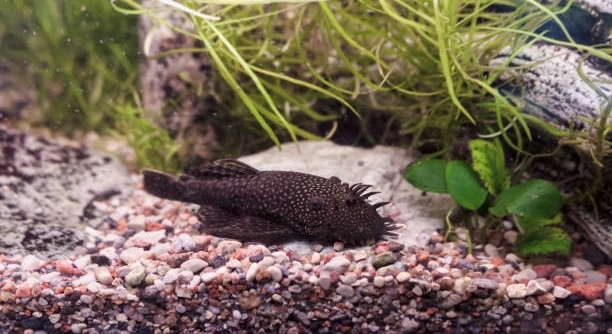
Some fish owners are curious about the compatibility of plecos and snails in the same tank. These two creatures may seem like peaceful neighbors, but understanding their needs is key to determining if they can coexist peacefully.
Plecos and snails can live together in most aquariums without issue, provided the tank is large enough and both species have appropriate space and food. Plecos are generally peaceful, but they can sometimes disturb snails while foraging or during feeding.
Their interactions can depend on their environment and individual behavior. Understanding their compatibility can help ensure both thrive in your aquarium.
Pleco and Snail Compatibility: Understanding Their Needs
Plecos are known for their peaceful nature, but they can be a bit clumsy when foraging, potentially disturbing snails. Snails, on the other hand, are slow-moving and need stable environments to thrive. When considering keeping both in the same tank, it is essential to take into account their behaviors, tank size, and habitat requirements. Plecos often rummage through the substrate for food, which can lead to accidental harm for snails, especially if the pleco is large. Ensuring they both have their own space and enough food to go around will help reduce conflicts.
To minimize disturbances, place rocks and plants where plecos can forage without interfering with the snails’ movement. Regular water changes and proper filtration are important to keep both species healthy.
Adequate space is crucial. A tank that’s at least 30 gallons can comfortably house plecos and snails, provided the tank has hiding spots and a well-established filtration system. Snails prefer calm waters, so a gentle filter and a peaceful tank environment are essential for them to thrive.
Feeding Plecos and Snails
Feeding plecos and snails in the same tank requires careful attention to their dietary needs. Plecos are omnivores and often enjoy algae, sinking wafers, and vegetables like zucchini or cucumber. Snails, on the other hand, feed on algae and detritus but will also eat vegetables and any leftover food that sinks to the bottom. It’s important to ensure that both species receive enough food without overfeeding, as excess food can lead to water quality issues.
Both plecos and snails are grazers and will appreciate a tank that provides natural food sources. However, it’s vital to keep their diets balanced. Plecos may need supplemental feeding with algae wafers or blanched vegetables, while snails will enjoy algae growth but also need a calcium supplement to support their shells. If there’s not enough algae or detritus for the snails, supplementing their diet is necessary to prevent malnutrition.
A well-maintained tank with sufficient food for both will reduce competition and ensure that each species receives proper nutrition.
Tank Size and Space Requirements
Plecos and snails need ample space to thrive. A larger tank, ideally 30 gallons or more, helps provide a balanced environment. Plecos, especially as they grow, require plenty of room to swim and forage. Snails benefit from having sufficient space to explore, as they can easily become stressed in cramped quarters.
The key to a peaceful tank is offering enough hiding spots and separate areas for both species. Rocks, plants, and driftwood can provide essential cover for snails, while plecos need open areas to roam. Avoid overcrowding, as it can lead to competition for space and food, which may cause stress.
In a 30-gallon tank, both plecos and snails can coexist comfortably. The pleco’s need for space to swim and forage is met, and the snails can explore their environment without feeling threatened. Having enough room ensures that both species have the freedom to interact or retreat when necessary.
Water Quality and Filtration
Water quality plays a significant role in the health of both plecos and snails. Snails, in particular, are sensitive to poor water conditions, which can lead to shell damage and other health problems. Regular water changes and proper filtration help maintain a clean and stable environment for both species.
Plecos can tolerate a range of water conditions, but they still need clean water to avoid stress and illness. A powerful filtration system ensures that excess food, waste, and debris don’t accumulate, which can affect the health of both the plecos and the snails. Be sure to monitor the water parameters regularly.
Maintaining proper water quality is crucial for a thriving aquarium. Consistent water changes and good filtration are essential to keeping plecos and snails healthy. Regular checks of the water temperature, pH, and ammonia levels will help ensure both species are living in a safe and clean environment.
Pleco Behavior and Snail Safety
Plecos are generally peaceful but can be a bit rough around the edges. While they’re unlikely to intentionally harm snails, their foraging behavior can cause damage if they disturb or crush smaller snails. Snails may also struggle with plecos’ occasional territorial nature.
To prevent harm, provide snails with plenty of hiding spots where they can escape the pleco’s path. Plecos often spend most of their time at the bottom of the tank, so placing snails in elevated areas can help keep them safe. Creating a balanced environment where both can thrive is key.
Choosing the Right Snails
Not all snails are ideal tankmates for plecos. Some species, such as the large mystery snail, are better equipped to handle the pleco’s activity. Smaller snails may be at risk of being disturbed or harmed by the pleco’s larger size and aggressive feeding.
Tank Decor and Layout
A well-planned tank layout can minimize interaction between plecos and snails. Ensure there’s enough vertical and horizontal space for snails to navigate, as plecos tend to stay near the bottom. Adding plenty of plants, rocks, and driftwood gives snails places to hide and reduces the risk of interference.
FAQ
Can plecos eat snails?
Plecos generally do not eat snails, as they prefer plant matter, algae, and sinking pellets. However, if the pleco is particularly large or aggressive, it might attempt to nibble on a snail. This is rare but can happen, especially if the snail is weakened or dying. Keeping the tank well-maintained and providing ample food for both species reduces the risk of such behavior.
Are snails good for a pleco tank?
Yes, snails can be beneficial in a pleco tank. They help with algae control, and their slow-moving nature makes them easy for plecos to coexist with. However, they need to be selected carefully. Some snails are better suited to tank life with plecos than others, as smaller snails may be harmed by the pleco’s movements. Larger snails are a safer choice.
What type of snails are best for pleco tanks?
Mystery snails and Nerite snails are among the best choices for a pleco tank. These snails are hardy and can coexist with plecos without getting harmed. They are also excellent at cleaning algae, which helps maintain the tank’s cleanliness. Avoid smaller, delicate snails like pond snails, as they may be crushed or disturbed by plecos.
Do plecos need snails to thrive?
Plecos do not need snails to thrive. They can live happily in a tank without snails, as they have their own algae-eating capabilities and enjoy sinking pellets or blanched vegetables. Snails, however, can be beneficial to the tank’s ecosystem by cleaning up excess food and debris, which plecos sometimes miss.
How do I prevent plecos from harming snails?
To prevent harm, ensure that snails have plenty of hiding spots where they can retreat from plecos when needed. Placing snails on decorations, rocks, or plants that plecos don’t frequently visit can also help. Additionally, avoid overfeeding, which might lead to competition for food and stress among the species.
Can plecos and snails live in a small tank together?
In smaller tanks, it’s more challenging to house plecos and snails together, as plecos, especially as they grow, need more space. A tank less than 20 gallons may not offer enough room for both species to coexist peacefully. For a successful setup, a larger tank with plenty of hiding places and proper filtration is ideal.
What should I feed plecos and snails?
Plecos are omnivores and thrive on a diet of algae, sinking pellets, and blanched vegetables like zucchini and cucumber. Snails are herbivores that enjoy algae, detritus, and leftover food. To keep both species healthy, provide them with varied food sources and ensure any leftovers are removed promptly to maintain water quality.
Do plecos eat algae that snails rely on?
Plecos do eat algae, but they don’t typically consume all of it. They are usually more focused on sinking food like pellets. Snails also eat algae, but they’re generally not in competition with plecos unless the tank is too small. Providing both species with ample food ensures neither goes hungry.
Do plecos and snails have compatible temperaments?
In most cases, plecos and snails have compatible temperaments. Plecos are typically peaceful, though their large size and feeding habits can unintentionally disturb snails. Snails are calm creatures that do not pose a threat to plecos. Proper tank setup and space can help maintain harmony.
How can I improve tank conditions for both plecos and snails?
To improve tank conditions for both plecos and snails, maintain stable water parameters with regular water changes and a reliable filtration system. Provide plenty of hiding spots for the snails and ensure the plecos have enough space to forage. A well-balanced diet for both species is also essential for their health and well-being.
Can plecos and snails breed in the same tank?
Yes, plecos and snails can breed in the same tank, though they have different breeding requirements. Plecos will breed in caves or on flat surfaces, while snails may lay eggs on glass or plant leaves. If you wish to breed both species, ensure the tank is set up to meet their needs.
What size tank do I need for plecos and snails?
A minimum tank size of 30 gallons is recommended for keeping plecos and snails together. This size provides enough space for both species to thrive. Plecos, especially larger varieties, require room to swim and forage. Snails need space to explore and avoid being disturbed by the pleco’s movements.
Can plecos harm baby snails?
While plecos are not likely to actively hunt or harm baby snails, they may accidentally disturb or crush them during their feeding or foraging. Ensuring that the baby snails have enough hiding spots and are placed in areas where plecos don’t frequent will help protect them.
Final Thoughts
When keeping plecos and snails together, it’s important to remember that both species have specific needs. Plecos, being bottom dwellers, require ample space to move freely, especially as they grow larger. They are peaceful by nature but may accidentally disturb snails due to their size and feeding habits. Snails, on the other hand, need a safe environment with plenty of hiding spots where they can retreat from any potential disturbances. By creating a well-balanced tank with enough room for both species, you can provide a peaceful habitat where they can coexist without causing harm to each other.
Water quality is another key factor when housing plecos and snails together. Both species are sensitive to poor water conditions, so maintaining clean water with proper filtration is essential. Regular water changes, monitoring of temperature, and ensuring proper pH levels are important steps to take. This helps avoid any health issues related to water quality and ensures a stable environment for both. Furthermore, choosing the right snail species is crucial for a successful tank setup. Larger, hardier snails like mystery snails or Nerite snails are more likely to thrive alongside plecos, whereas smaller snails might be more vulnerable to being disturbed or crushed by the pleco.
Overall, with careful planning and attention to their needs, plecos and snails can live together peacefully. Providing adequate space, maintaining clean water, and selecting compatible species are key factors to ensure both thrive in the same tank. The tank layout should include plenty of hiding spots for snails, and it’s important to avoid overfeeding to reduce competition for food. By understanding their behaviors and creating a suitable environment, you can enjoy the beauty and benefits of having both plecos and snails in your aquarium.

Hello,
If you enjoy the content that we create, please consider saying a "Thank You!" by leaving a tip.
Every little bit helps us continue crafting quality advice that supports the health, happiness, and well-being of pets around the world, for pets of all shapes, sizes, and species.
We really appreciate the kindness and support that you show us!