
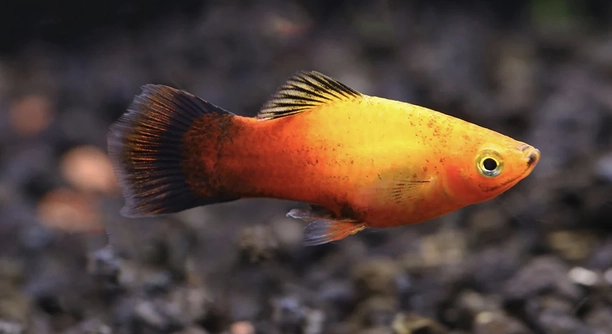
Do you ever find yourself watching your platies swim differently and wonder if something might be off in their tank environment?
Platies can sense changes in water quality through their behavior and appearance. When the tank is dirty, they may become sluggish, hide more often, or show faded colors and clamped fins as a stress response.
Noticing these signs early can help you maintain a healthier tank and keep your platies thriving in their freshwater home.
Signs Your Platy Might Be Reacting to Dirty Water
Platies are usually active, colorful fish that swim freely around the tank. When the water quality drops, their behavior often changes. You might notice they stay near the surface or hide more than usual. Their bright colors may appear dull, and they could develop clamped fins, which means their fins are held tightly against their bodies. These are early signs of stress. If left unaddressed, poor water quality can also cause appetite loss or labored breathing. Even if the tank looks clean, invisible issues like ammonia or nitrite buildup can affect your fish. Regular observation helps you spot these subtle shifts.
Stress from dirty water doesn’t always appear immediately. Sometimes it builds slowly, showing up as changes in social behavior or reduced energy.
Cleaning the tank regularly and testing water parameters like pH, ammonia, and nitrates can help prevent these problems. A stable, clean environment supports their natural behavior and color.
What Causes the Tank to Become Dirty
Overfeeding is a common reason for water quality to decline quickly. Leftover food decays and releases waste into the water.
Fish waste, plant decay, and uneaten food all break down and release harmful substances. Even if your filter is working, it may not be enough to manage all of it, especially in smaller tanks or overstocked environments. Skipping water changes allows these substances to build up over time. Poor tank circulation also plays a part, as stagnant water zones can develop and trap waste. Filters need regular maintenance too; clogged filters lose efficiency and stop cleaning the water properly. Live plants can help absorb some waste but are not a full solution. Gravel or substrate can also trap leftover food, so vacuuming it during cleaning is important. Understanding the sources of waste helps you manage them effectively and reduce the risk of poor water conditions for your platies.
How to Keep the Tank Clean for Your Platies
Clean your tank weekly by removing 20–30% of the water and replacing it with fresh, dechlorinated water. Use a gravel vacuum to remove waste from the bottom and clean the filter monthly.
Avoid overfeeding by giving only what your platies can eat in two minutes, once or twice daily. Leftover food breaks down and affects water quality fast. Rinse filter media in tank water during cleaning, never tap water, to preserve beneficial bacteria. Keep a water test kit on hand and check ammonia, nitrite, nitrate, and pH weekly. Add live plants if possible—they help absorb excess nutrients. Also, make sure the tank isn’t overcrowded. Too many fish create more waste than your filter can handle. Use a timer for lights to control algae growth, and wipe down glass if needed. Staying consistent with tank care keeps your platies healthy and active.
A good routine makes all the difference. Cleaning doesn’t take long once you get used to it. Schedule a specific day for water changes so it becomes a habit. If the tank looks cloudy or the water smells bad, act quickly before it affects your fish. A clear, clean tank creates a stable home where your platies can thrive. They’ll swim more freely, show brighter colors, and stay curious about their surroundings. Watching them stay healthy feels rewarding. Simple weekly care prevents most issues and saves you time in the long run. Keep notes if needed to track your routine and spot patterns in water changes or behavior shifts.
Can Dirty Water Make Platies Sick?
Dirty water can lead to stress, fin rot, and weakened immune systems in platies. It creates the perfect environment for harmful bacteria, which may cause infections, skin damage, or breathing issues over time.
Ammonia and nitrite spikes are especially dangerous. Even short exposure can irritate gills and lead to long-term health problems.
How Often Should You Test Water Quality?
Test your tank water once a week to keep conditions stable. Use liquid test kits for more accurate results than strips. Focus on ammonia, nitrite, nitrate, and pH levels. If you’ve recently added new fish or noticed behavior changes, test again midweek. This helps you catch imbalances early. After a water change, test to confirm the water is safe. Sudden changes in levels may mean it’s time to clean the filter or reduce feeding. Keeping track of your readings in a notebook or app can help you spot patterns and adjust your care routine before problems start.
What If the Water Looks Clear?
Even clear water can be unhealthy. Harmful chemicals like ammonia or nitrites aren’t always visible but can still harm your platies.
FAQ
Can platies survive in dirty water?
Platies are hardy, but dirty water puts stress on their immune system and shortens their lifespan. They might survive for a while, but constant exposure to toxins like ammonia or nitrite can lead to illness. Clear signs like clamped fins, hiding, and lack of appetite are often overlooked. Over time, even low levels of harmful substances can cause long-term health issues such as internal infections or damaged gills. A dirty tank may also promote the growth of harmful bacteria and parasites. Survival doesn’t mean they’re healthy—clean water helps them thrive, not just get by.
How can I tell if my platy is stressed from dirty water?
You may notice changes in behavior like hiding, slow swimming, or gasping near the surface. Stress often appears as dull colors, clamped fins, or twitching movements. Sometimes they’ll eat less or isolate from others. Their immune system weakens, making them more likely to catch infections. A sudden increase in aggression or lethargy is also a red flag. Even if the water looks clean, always check water parameters to rule out hidden issues. Platies are active and curious by nature, so any drop in energy or interaction usually means something is wrong in the environment.
What is the safest way to clean a platy tank?
The safest method is to replace 20–30% of the water weekly with fresh, dechlorinated water. Use a gravel vacuum to remove waste without disturbing too much of the tank. Avoid deep cleaning all decorations or filter media at once, as this removes helpful bacteria. Instead, rinse the filter sponge gently in used tank water. Scrub algae off the glass with a clean sponge or scraper, and never use soap or chemicals inside the tank. Make sure the new water matches the tank’s temperature. Gradual cleaning keeps things stable and avoids stressing your platies.
Can platies tell the difference after a water change?
Yes, platies often act more active and colorful after a proper water change. Clean water improves oxygen levels and removes waste, making the environment feel safer. You may notice them swimming more freely or interacting with other fish again. Their natural behaviors return as stress levels drop. Water changes refresh the tank, removing invisible substances that irritate their gills or skin. Even though they don’t understand what’s happening, they respond positively to the cleaner conditions. It’s one of the easiest ways to boost their well-being and help them feel more comfortable.
Should I remove my platies while cleaning the tank?
You don’t need to remove your platies for regular water changes or gravel vacuuming. Moving them can cause stress and sometimes lead to injury. They usually swim out of the way while you clean. Only remove them if you’re doing a full tank reset or treating for a serious illness. Keeping them in the tank avoids unnecessary handling and keeps their environment stable. If you do have to move them, use a soft mesh net and handle them gently. Always match the temperature and condition of the temporary water to reduce stress.
Is it okay to skip a week of cleaning?
Missing one week now and then won’t destroy the tank, but regular cleaning is important to maintain good water quality. Waste builds up quickly, especially in smaller or heavily stocked tanks. Skipping a cleaning allows ammonia, nitrites, and nitrates to rise, which may start to affect your platies. You might not see symptoms right away, but over time, their health declines. If you miss a cleaning, try to make up for it within the next few days. Keeping a routine helps prevent stress, disease, and unexpected problems in the tank.
What’s the best filter type for a platy tank?
A sponge filter works well for smaller tanks and fry because it offers gentle flow and keeps beneficial bacteria. For larger tanks, hang-on-back filters or internal filters provide stronger water movement and better mechanical filtration. Always match your filter size to your tank size. Make sure the flow isn’t too strong, as platies prefer moderate currents. Clean the filter monthly by rinsing it in tank water to avoid killing helpful bacteria. A well-maintained filter keeps the tank cleaner and supports stable conditions. Choosing the right one depends on tank size and how many fish you have.
Can tap water harm my platies?
Yes, untreated tap water contains chlorine or chloramine, which are harmful to fish. Always use a water conditioner when adding tap water to the tank. These treatments remove the chemicals and make the water safe. Even if your water looks clear, it can still irritate gills and damage the fish internally if not treated. Also, some tap water has a pH or hardness level that might need adjusting, depending on where you live. Regular testing helps you know what adjustments to make, if any, before adding new water to the tank.
Final Thoughts
Keeping your platy tank clean is one of the easiest ways to support their health and happiness. These small fish are sensitive to changes in water quality, even if they seem active or look healthy at first. Dirty water may not always look cloudy, but harmful substances can still build up over time. Things like leftover food, waste, or poor filtration slowly affect the water balance, making it harder for your platies to breathe and stay active. Regular cleaning and testing can help you avoid these hidden issues. Even basic steps like removing some water each week and using a good filter make a big difference.
Paying attention to your platies’ behavior can give you useful clues. If they hide more, eat less, or show dull colors, it could mean something is wrong with the water. These early signs are easy to miss if you’re not checking regularly. Once you build a cleaning habit and test your water weekly, it becomes easier to notice when something is off. Platies don’t need fancy equipment or constant attention, but they do need a clean, balanced tank. A bit of weekly care saves time and prevents stress, illness, or sudden changes in your tank’s environment.
In the end, your platies depend on you to create a safe space where they can swim, explore, and grow. A clean tank supports their immune system, helps them show their natural colors, and encourages healthy behavior. Once your routine is in place, maintenance becomes simple and fast. It’s also rewarding to watch your fish stay active and curious, knowing they feel comfortable in their space. Clean water is the foundation of good fish care. By keeping the tank conditions stable and watching for early warning signs, you’ll make sure your platies live a longer, healthier life.

Hello,
If you enjoy the content that we create, please consider saying a "Thank You!" by leaving a tip.
Every little bit helps us continue crafting quality advice that supports the health, happiness, and well-being of pets around the world, for pets of all shapes, sizes, and species.
We really appreciate the kindness and support that you show us!