
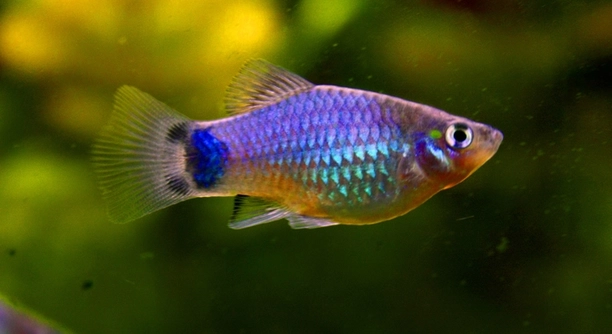
Many fish enthusiasts enjoy keeping platies for their bright colors and peaceful nature. Sometimes, people wonder about the best way to care for them, especially in short-term situations. Understanding how platies fare overnight in a bowl is important for their well-being.
Platies cannot safely survive overnight in a bowl without proper filtration and aeration. Bowls typically lack the necessary oxygen and stable environment that platies require, which can lead to stress or death in such conditions.
Knowing how to provide a suitable environment ensures the health of your platies and prevents unnecessary harm during short-term care.
Why Bowls Are Not Suitable for Platies Overnight
Keeping platies in a bowl overnight can be harmful due to several key reasons. Bowls generally have limited space, which restricts water circulation and oxygen levels. Without proper filtration, waste products like ammonia build up quickly, creating a toxic environment. Platies need clean, oxygen-rich water to stay healthy, and bowls do not provide this. Additionally, bowls tend to have unstable temperatures, which can stress the fish and weaken their immune system. Even a short stay in such conditions can cause discomfort or illness. It is better to use a properly equipped tank with a filter and heater to maintain a stable environment for platies. These conditions mimic their natural habitat better and support their well-being.
In summary, bowls lack the essential equipment to maintain water quality and oxygen levels, making them unsuitable for platies even for a single night.
The small size and poor water quality in bowls are harmful for platies. Using a tank with filtration helps keep them healthy and comfortable over time. If a bowl is the only option briefly, changing the water frequently and adding an air stone can reduce risks but is not ideal for long-term care.
How to Care for Platies if a Bowl Is the Only Option
Using a bowl temporarily requires careful attention to avoid harming platies. Frequent water changes are necessary to keep the water clean and reduce toxins. Adding an air stone or small pump can help increase oxygen levels. Keeping the bowl out of direct sunlight helps prevent temperature fluctuations. Avoid overcrowding by limiting the number of fish in the bowl to reduce waste buildup. Feeding should be minimal to avoid excess food decomposing in the water. Monitoring the water temperature with a thermometer ensures it stays within a safe range, usually between 70 and 80 degrees Fahrenheit. These steps can help reduce stress on the fish if a proper tank is unavailable temporarily.
Even with these precautions, a bowl is not a substitute for a proper aquarium setup. A tank with a filter, heater, and enough space is necessary for platies to thrive. Regular maintenance, including cleaning and water testing, supports a healthy environment. Investing in an appropriate aquarium ensures the long-term health and happiness of platies, preventing avoidable suffering. Proper care reflects respect for the needs of these small but sensitive fish.
Common Mistakes When Keeping Platies in Bowls
Many people underestimate how delicate platies are when kept in bowls. They often forget about oxygen levels and water quality. Overfeeding is also a common mistake, which pollutes the water quickly. These errors lead to unhealthy fish and shortened lifespans.
Neglecting regular water changes is another frequent issue. Without filtration, toxins build up fast. People sometimes leave bowls in direct sunlight, causing temperature swings that stress the fish. Overcrowding is also common, with too many platies in small spaces. This increases waste and reduces oxygen, making survival difficult.
Even though bowls might seem convenient, they require constant care and monitoring to avoid these problems. Without attention, platies suffer from poor health and stress, which could have been prevented by proper setup and maintenance.
Alternatives to Bowls for Platies
A small aquarium with a filter and heater is the best alternative to a bowl. This setup provides a stable environment, maintaining oxygen levels and water temperature. Even a 5-gallon tank is better than a bowl for platies.
Filtered tanks help remove waste and harmful chemicals, reducing the risk of disease. A heater keeps the water temperature steady, which is important for tropical fish like platies. Adding live plants can improve water quality by absorbing nitrates. Proper lighting also supports fish health. Setting up an aquarium may require more effort but offers a safer, more comfortable home for platies. This investment in their habitat significantly improves their lifespan and well-being.
Feeding Platies in a Bowl
Feeding platies in a bowl requires caution. Overfeeding causes water pollution, which harms fish health quickly. Only give small amounts of food that the fish can eat within a few minutes.
Uneaten food should be removed promptly to prevent water quality issues. Feeding once a day is enough in a bowl environment to avoid waste buildup.
Signs of Stress in Platies
Platies in poor conditions may show signs of stress like lethargy, loss of appetite, or faded colors. They might also gasp at the water surface due to low oxygen levels. Recognizing these signs early can help prevent serious health problems.
Preparing Your Bowl for Temporary Use
Before placing platies in a bowl, clean it thoroughly to remove any residues. Use dechlorinated water and adjust the temperature to match the fish’s needs. Adding an air stone can improve oxygen supply, which is essential for short-term care.
Monitoring Water Conditions
Regularly test water for ammonia, nitrites, and pH levels to ensure a safe environment. Changes in these levels can indicate problems that need immediate attention to protect the fish.
Can Platies Survive in a Bowl Overnight?
Platies generally cannot survive comfortably in a bowl overnight without proper care. Bowls lack filtration and aeration, leading to low oxygen and poor water quality. Without enough oxygen and stable conditions, platies may become stressed or even die. If a bowl is the only option, frequent water changes and adding an air stone are necessary but still risky.
How Often Should I Change the Water if Using a Bowl Temporarily?
Water should be changed at least once every few hours if keeping platies in a bowl temporarily. This helps remove harmful waste and maintain oxygen levels. Using water treated with a dechlorinator and at the right temperature prevents additional stress on the fish. Regular partial water changes are essential because bowls do not have filtration systems.
Is It Okay to Keep Platies in a Bowl for a Few Hours During Cleaning?
Keeping platies in a bowl for a few hours during tank cleaning is acceptable if the bowl is properly prepared. Use clean, dechlorinated water at the right temperature and add an air stone if possible. Make sure the bowl is kept in a stable environment away from direct sunlight and drafts to avoid temperature swings.
What Are the Risks of Keeping Platies in a Bowl Long-Term?
Long-term housing in a bowl can cause oxygen depletion, toxic waste buildup, and temperature instability. Platies need space, clean water, and oxygen, which bowls cannot provide. These conditions can lead to chronic stress, illness, and a shorter lifespan. A proper tank with filtration and heating is necessary for their health.
Can I Add Plants to a Bowl to Help My Platies?
Adding live plants can help improve oxygen levels and absorb some waste, but it is not enough to make a bowl a healthy long-term environment. Plants require light and nutrients, and without filtration, waste can still accumulate quickly. Plants alone cannot replace the benefits of a filtered aquarium.
How Much Space Do Platies Need?
Platies need at least 5 gallons of water per fish to swim freely and maintain good water quality. Small bowls usually do not provide enough space, leading to overcrowding and stress. Proper tank size supports their natural behavior and reduces disease risks.
What Equipment Is Essential for Keeping Platies Healthy?
A filter to clean waste, a heater to maintain stable temperatures between 70-80°F, and an air stone for oxygenation are essential. Lighting supports plants and fish health but should not cause overheating. These tools create a balanced environment necessary for platies to thrive.
How Can I Tell If My Platy Is Stressed?
Signs of stress include faded color, lethargy, gasping at the surface, and reduced appetite. Stress weakens the immune system and makes platies vulnerable to illness. Poor water quality, overcrowding, or improper temperature are common causes of stress.
Is It Safe to Transport Platies in a Bowl?
Transporting platies in a bowl for a short time is possible but not ideal. Use clean, temperature-controlled water and cover the bowl to prevent spills. Avoid shaking or sudden movements to reduce stress. For longer trips, a properly sized container with oxygen supply is better.
Can Platies Survive Without a Heater?
Platies are tropical fish that need warm, stable water temperatures. Without a heater, temperature fluctuations can cause stress and illness. In warm climates, room temperature might suffice briefly, but a heater is recommended for consistent care.
What Should I Do If I Accidentally Leave Platies in a Bowl Overnight?
If platies are left in a bowl overnight, check water quality and oxygen levels immediately. Perform a partial water change and add aeration if possible. Move the fish to a proper tank as soon as you can to reduce stress and risk of health problems.
How Important Is Water Testing for Platies?
Regular water testing for ammonia, nitrites, nitrates, and pH is critical. These parameters indicate water quality and the fish’s environment safety. Poor water conditions can cause illness and death, so testing helps catch problems early for timely correction.
Are There Any Temporary Solutions Besides Bowls?
If a proper tank is unavailable, using a large container with aeration and partial filtration is better than a bowl. A cooler or plastic tub can serve as temporary housing with frequent water changes and careful monitoring of temperature and oxygen.
What Is the Best Way to Acclimate Platies to a New Environment?
Acclimate platies slowly by floating their transport bag in the new tank water for 15-20 minutes. Gradually add tank water into the bag to adjust the fish to the new water parameters. This reduces stress and helps them adapt safely.
How Does Overfeeding Affect Platies in Small Containers?
Overfeeding leads to leftover food decaying in the water, causing ammonia spikes and poor water quality. In small containers like bowls, this effect is magnified and can quickly harm platies. Feeding small amounts once daily reduces this risk.
Can I Use Tap Water Directly for My Platy’s Bowl?
Tap water often contains chlorine or chloramine, which are harmful to fish. Always treat tap water with a water conditioner before use. This removes harmful chemicals and makes the water safe for platies.
What Is the Ideal pH Range for Platies?
Platies thrive in a pH range between 6.8 and 8.0. Maintaining stable pH within this range supports their health and activity. Sudden pH changes can cause stress and illness, so testing and adjustments may be necessary.
How Can I Improve Oxygen Levels in a Small Container?
Adding an air stone or small pump increases water movement and oxygen exchange. Frequent partial water changes also help maintain oxygen levels. Avoid overcrowding and keep the container covered but well-ventilated.
Are Platies Aggressive in Bowls?
Platies are peaceful fish but may become stressed and act aggressively if crowded or kept in poor conditions. A bowl’s limited space can increase tension and competition, so providing adequate space reduces aggression.
Can I Use Artificial Plants in a Bowl?
Artificial plants do not improve water quality but provide hiding spots and reduce stress. They are easy to clean and maintain, making them a practical addition to bowls but not a substitute for live plants or proper filtration.
Platies are beautiful and lively fish that require proper care to stay healthy and happy. While it might seem easy to keep them in a bowl overnight, this is not a safe or suitable environment for them. Bowls lack important features like filtration, aeration, and temperature control, all of which are essential to maintain good water quality and oxygen levels. Without these, platies can quickly become stressed, which weakens their immune system and can lead to illness or death. Even though it may seem like a simple solution, placing platies in a bowl overnight is not recommended unless absolutely necessary and with careful precautions.
If a bowl is the only option for short-term care, there are some steps to follow to reduce risks. Frequent water changes are crucial to keep the water clean and reduce harmful waste. Adding an air stone or small pump can help increase oxygen levels. It is important to monitor the water temperature and keep it stable by avoiding direct sunlight or cold drafts. Feeding should be minimal to avoid excess food decomposing in the water. However, these measures only lessen the harm and are not a replacement for a proper tank. A tank with a filter and heater is the best environment for platies, providing a stable habitat that supports their health and natural behavior.
Investing in a suitable aquarium setup is the most responsible choice for keeping platies. Even a small 5-gallon tank with filtration and heating is far better than a bowl for their long-term care. Such a setup helps maintain clean, oxygen-rich water and stable temperatures, which are critical for platies’ well-being. Adding live plants can also improve water quality and offer hiding spots that reduce stress. Proper care may require more time and effort, but it ensures platies live longer, healthier lives. Understanding their needs and avoiding shortcuts like overnight bowls reflects respect and commitment to their welfare.

Hello,
If you enjoy the content that we create, please consider saying a "Thank You!" by leaving a tip.
Every little bit helps us continue crafting quality advice that supports the health, happiness, and well-being of pets around the world, for pets of all shapes, sizes, and species.
We really appreciate the kindness and support that you show us!