
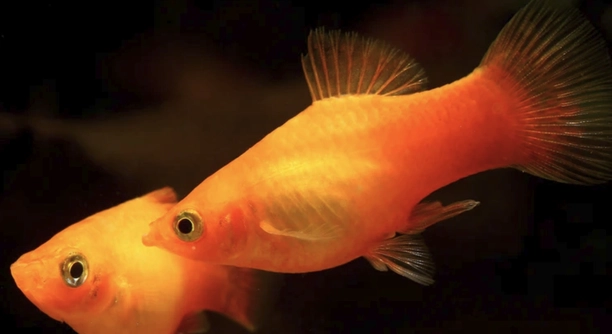
Platies are popular freshwater fish often kept in home aquariums. Many fish owners notice interesting behaviors when keeping them together. Understanding these behaviors can help create a peaceful tank environment.
Platies do show signs of dominance, which can include chasing, nipping, and establishing territories. These behaviors help maintain social order within their groups and reduce conflicts over resources such as food and space.
Recognizing dominance signs can help fish keepers manage their tanks better and ensure a balanced community for their platies.
Signs of Dominance in Platies
Platies often show dominance through their actions and body language. One common sign is chasing other fish around the tank. This behavior is a way for a dominant platy to assert control over its space. Nipping at the fins of less dominant fish is another sign, though it usually doesn’t cause serious harm. Dominant platies may also swim with their fins flared to appear larger and more threatening. Sometimes, you might notice a platy guarding a specific area or hiding spot in the tank. These behaviors help them maintain social order and reduce fights over food or territory. Watching your platies closely can reveal these subtle signs, which often go unnoticed at first. By understanding these behaviors, you can better manage your aquarium to keep stress levels low.
Dominance behaviors are natural for platies and typically don’t indicate serious aggression.
Recognizing these signs early helps prevent injury and keeps your platies happier. Adjusting tank space or adding plants can reduce tension and give less dominant fish places to retreat.
Managing Dominance for a Peaceful Tank
Dominance in platies can sometimes lead to stress for less assertive fish, so it’s important to create a balanced environment. Providing plenty of hiding spots, such as plants or decorations, allows shy fish to escape if they feel threatened. Keeping a proper ratio of males to females also helps, since too many males can increase aggressive behavior. Regularly observing your fish can alert you to any signs of bullying. If aggression becomes too intense, separating overly dominant fish might be necessary to protect the others. Feeding the fish well and on a consistent schedule reduces competition for food. Overall, managing tank conditions thoughtfully supports a peaceful community where all platies can thrive comfortably together.
How Tank Size Affects Dominance
Smaller tanks can increase signs of dominance in platies because space is limited. Fish have fewer places to hide or escape.
In a cramped environment, dominant platies may chase others more aggressively. This happens because they feel the need to control limited territory and resources. Without enough space, stress levels rise for all fish, leading to more frequent conflicts. Larger tanks give each platy room to establish its own area and reduce direct confrontations. Adding plants and decorations also helps break up the line of sight between fish, which calms them down.
A tank that provides enough space and hiding spots lowers stress and prevents dominance from becoming harmful. This setup helps all platies feel more comfortable and safe in their home.
Group Dynamics and Dominance
The number of platies and their gender ratio influence dominance behavior. More males typically increase aggressive interactions, while more females balance the group.
Male platies are naturally more competitive, especially when there are many males in the same tank. This competition can lead to chasing and nipping as they establish who is dominant. Keeping one male with multiple females often reduces this tension. In mixed groups, platies tend to form a social hierarchy where each fish knows its place, which helps keep peace. Observing how your platies interact lets you adjust the group for a calmer environment. Proper group size and composition are key to minimizing stress and aggressive behaviors in the tank.
Recognizing Stress from Dominance
Stress signs in platies include hiding, loss of appetite, and faded colors. These symptoms often show when dominance causes constant harassment.
Watching for these behaviors early helps prevent long-term health problems. Providing more space or rearranging tank decorations can reduce stress.
Feeding and Dominance
Uneven feeding can increase dominance struggles, as fish compete for food. Ensuring all platies get enough food reduces aggressive chasing during mealtime.
Feeding smaller amounts more frequently helps. Spreading food around the tank gives shy fish a chance to eat without being bullied. Consistent feeding schedules also create a calmer environment where dominance behavior is less likely to flare up.
Introducing New Platies
Introducing new platies carefully prevents excessive dominance conflicts. Adding fish slowly and monitoring their behavior helps keep the tank peaceful.
Tank Decoration and Dominance
Plants and decorations break sightlines and give fish places to hide, lowering aggression. This setup helps reduce dominance behaviors and supports a calmer tank atmosphere.
FAQ
Can platies live peacefully without showing dominance?
Platies naturally show some dominance, but with the right tank conditions, these behaviors can be mild and not harmful. Providing enough space, hiding spots, and a good male-to-female ratio helps reduce aggressive interactions. A well-planned environment allows platies to live together peacefully while still showing natural social behaviors.
How can I tell if dominance is causing harm?
Look for signs like torn fins, constant chasing, hiding, or loss of appetite in your fish. These indicate stress or injury caused by dominance. If these symptoms appear, it’s important to act quickly by adjusting tank conditions or separating aggressive fish to prevent further harm.
Is it normal for male platies to be more aggressive?
Yes, male platies tend to be more aggressive as they compete for territory and mates. This is a natural behavior. However, too many males in one tank can increase aggression, so keeping one male with several females often balances the group and lowers fighting.
Can dominance affect the health of platies?
Constant stress from dominance can weaken a platy’s immune system, making it more prone to disease. Injuries from nipping can also lead to infections. Managing dominance by providing space and hiding places reduces stress and supports better overall health.
What tank size is best to reduce dominance behaviors?
A tank of at least 20 gallons is recommended for a small group of platies. More space allows fish to establish territories and avoid constant contact, which lowers dominance conflicts. Larger tanks with plants and decorations help break sightlines and give shy fish places to escape.
How often should I feed my platies to avoid competition?
Feeding small amounts two to three times a day helps reduce food competition. Spread the food around the tank to make sure all fish have access. This feeding method prevents dominant fish from guarding food and bullying others during mealtime.
Can tank decorations really reduce dominance?
Yes, plants, rocks, and decorations create hiding spots and visual barriers. These breaks in the line of sight prevent constant chasing and reduce stress. A well-decorated tank supports a more peaceful community by giving fish places to retreat and feel safe.
What should I do if one platy is too aggressive?
If one fish is overly aggressive, try rearranging the tank to disrupt its territory. Increasing hiding spots or adding more fish can help balance the group. If aggression continues, separating the dominant fish temporarily may be necessary to protect others.
Do platies show dominance differently depending on their age or size?
Older or larger platies often show stronger dominance since they are more established and physically able to control territory. Younger or smaller fish usually avoid confrontations. Keeping fish of similar size can help reduce bullying and keep social interactions calmer.
Will dominance behaviors stop if I add other species to the tank?
Adding other peaceful species can sometimes distract dominant platies and reduce their focus on each other. However, it’s important to choose compatible tank mates that won’t increase stress or competition. Research species carefully before mixing to maintain a peaceful environment.
Platies are social fish that naturally show signs of dominance in their groups. These behaviors, like chasing or fin nipping, are part of how they establish order and protect their space. While these actions might seem aggressive, they usually help reduce constant fighting by creating a clear social structure. It’s important to remember that dominance is not about cruelty but about survival and balance within the tank. Understanding this helps fish keepers better accept and manage their platies’ behavior without unnecessary worry.
Creating a comfortable environment can greatly reduce stress caused by dominance. Providing enough space is key, as cramped tanks often increase aggressive behavior. Adding plants, rocks, and other decorations gives platies places to hide and feel safe. Proper group balance, especially keeping more females than males, also lowers competition and fights. Feeding on a regular schedule and spreading food evenly reduces tension during meals. When these conditions are met, dominance behaviors remain natural but do not become harmful. Regular observation is helpful to catch any problems early and make adjustments as needed.
Dominance in platies is a normal part of their social life, but it can be managed well with the right care. Paying attention to tank size, group makeup, and decorations supports a peaceful environment where all fish can thrive. If aggression becomes too strong, separating aggressive fish or rearranging the tank often helps. Overall, knowing what to expect and how to respond makes keeping platies more enjoyable and successful. This understanding leads to healthier fish and a calmer aquarium for everyone involved.

Hello,
If you enjoy the content that we create, please consider saying a "Thank You!" by leaving a tip.
Every little bit helps us continue crafting quality advice that supports the health, happiness, and well-being of pets around the world, for pets of all shapes, sizes, and species.
We really appreciate the kindness and support that you show us!