
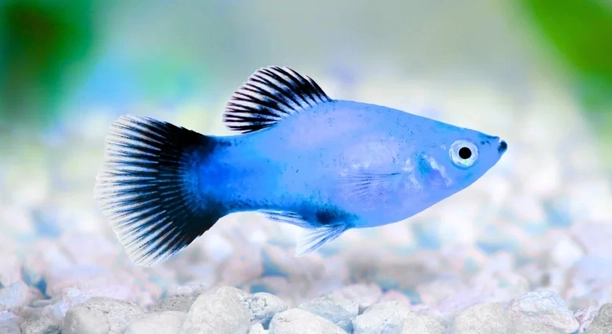
Have you ever looked into your fish tank and wondered if your platies and guppies could happily swim together in harmony?
Platies and guppies can share a tank, as both species are peaceful, similar in size, and have comparable care requirements. Proper tank conditions, such as temperature, pH levels, and ample space, are essential for maintaining compatibility.
Understanding their behaviors, dietary needs, and space requirements will help you create a healthy, stress-free environment for both species.
Understanding the Compatibility Between Platies and Guppies
Platies and guppies are often chosen for community tanks because they are peaceful and easy to care for. Both species thrive in similar water conditions, including temperatures between 72°F and 78°F and a neutral pH. They are also livebearers, which means they give birth to free-swimming fry rather than laying eggs. This common trait often leads to similar behaviors and feeding patterns. While guppies tend to be slightly more active and curious, platies are more laid-back, making them a good match when the tank is properly managed. These two species can live together without many issues, provided there is enough space, hiding areas, and regular water changes to maintain cleanliness. Overstocking or poor water quality can lead to stress, which may cause aggression or health problems. Choosing tank mates with similar needs is one of the easiest ways to promote long-term health in a community aquarium.
Compatibility depends on space, diet, and water quality. Keep all factors balanced to maintain a peaceful tank.
Even though they get along, occasional nipping can occur, especially if the tank is overcrowded. Always monitor new tank setups and add plants or decorations to provide shelter. Giving each fish enough room is key to peaceful living conditions.
Feeding and Care Requirements
Both platies and guppies eat the same kinds of food, making feeding time simple and efficient.
Platies and guppies are omnivores and enjoy a mix of flakes, pellets, frozen foods, and fresh vegetables. Feeding them twice a day in small amounts is enough. Avoid overfeeding, as leftover food can quickly pollute the tank. Their digestive systems are sensitive, and high nitrate levels can lead to sickness. Providing a balanced diet that includes some protein-rich foods like daphnia or brine shrimp supports healthy growth and coloration. Guppies might swim faster to the food, but platies will eat at a slower pace, so try to make sure everyone is getting enough. If you notice one species eating more than the other, try spreading the food across different areas of the tank. Also, keeping the tank clean with regular partial water changes and a reliable filter is important. Clean water helps reduce stress and supports strong immune systems in both species.
Breeding Behaviors and Fry Management
Platies and guppies breed often, especially in well-maintained tanks. Both species are livebearers, and females can give birth every 4 to 6 weeks.
Once fry are born, they are immediately at risk of being eaten by adult fish, including their parents. If you plan to raise fry, adding dense plants or using a breeding box can help protect them. Guppies tend to have smaller fry, while platy fry are slightly larger and stronger. Both types grow quickly when given a diet rich in protein. Feeding powdered fry food or crushed flakes multiple times a day supports faster development. To control population growth, separate males and females or remove pregnant females before they give birth. It’s also helpful to learn how to identify a pregnant female by watching for a dark gravid spot near the belly.
Managing breeding is easier when you understand how both species behave before and after giving birth.
Overpopulation can cause overcrowding and water quality problems, especially in smaller tanks. If fry survival rates are high, it can lead to stress and health issues among adults. Keeping only a few fry or giving them away once they are strong enough is a simple way to manage numbers. Always monitor water parameters closely during active breeding periods.
Tank Setup and Environment Tips
A calm tank helps platies and guppies live peacefully. Add live plants, hiding spots, and enough space for each fish to swim freely.
Choose a tank size of at least 20 gallons to avoid overcrowding. Include gentle filtration and keep the water temperature between 72°F and 78°F. Floating plants like hornwort and surface cover will help fry hide and give adults a sense of security. Use smooth gravel and avoid sharp decorations that may damage delicate fins. Good lighting supports plant growth and lets you enjoy your fish during the day. Make sure to cycle the tank before adding fish to prevent ammonia buildup. Limit the number of tank mates and avoid aggressive fish that may bully or nip at the guppies’ tails. A stable and clean environment helps reduce stress and encourages natural behavior in both platies and guppies.
Common Issues to Watch For
Fin nipping can happen if the tank is overcrowded or if one fish feels stressed. Guppies, with their long flowing tails, are often the target.
Ammonia spikes are another concern. Uneaten food and waste build up quickly in small tanks, so regular cleaning and testing are important.
Tips for a Peaceful Community Tank
Keep a balanced male-to-female ratio—at least two females for every male. This helps reduce chasing and stress, especially during breeding periods. Provide plenty of hiding spots and keep the tank spacious and calm. Feed the fish small amounts twice daily, and never overfeed. Watch for any changes in behavior.
When to Separate Fish
If you notice constant chasing, fin damage, or stress, it’s best to separate the fish. Use a divider or a spare tank to prevent injury.
FAQ
Can platies and guppies live in the same tank long-term?
Yes, platies and guppies can live together long-term if the tank is properly maintained. They share similar water needs and peaceful temperaments. It’s important to keep the tank spacious, clean, and well-planted to prevent stress. Both species do well with a consistent routine and stable environment. Regular water changes, careful feeding, and a good filter will support their health. Watch for signs of aggression or illness, especially in crowded tanks. If the fish are active, eating well, and showing bright colors, they’re likely comfortable with each other. With good care, they can live together for years.
Do platies and guppies need the same water conditions?
Yes, their water needs are nearly identical. Both prefer temperatures between 72°F and 78°F and a pH close to neutral. Hard water suits them best, and stable conditions are key. Avoid sudden changes in temperature or pH, as this may lead to stress or illness. Use a reliable heater and test the water weekly to ensure proper levels. Ammonia, nitrite, and nitrate should be monitored closely, especially after feeding or during breeding. Proper cycling before introducing the fish is also essential to prevent ammonia spikes. Maintaining water quality helps keep both species healthy and active.
What size tank is best for platies and guppies together?
A 20-gallon tank is the recommended minimum size for keeping both species together. This provides enough room for swimming, hiding, and breeding without overcrowding. Smaller tanks can lead to stress, aggression, and poor water quality. If you plan to keep several males or expect fry, consider a larger tank. More space makes it easier to manage breeding and behavior. Crowding increases waste buildup, so the more room the fish have, the healthier they’ll be. Also, extra space allows for more decorations and plants, which create hiding spots and improve their environment. A larger tank gives better long-term results.
How often do guppies and platies breed?
Guppies and platies are prolific breeders. Females can give birth every 4 to 6 weeks once mature. In mixed tanks, it’s common to see fry often unless steps are taken to control breeding. Each birth can produce 20 to 50 fry, sometimes more. If males and females are kept together, breeding is almost constant. Separating sexes, using a breeding box, or rehoming fry are common ways to manage the population. Controlling breeding helps avoid overcrowding and stress in the tank. Feeding high-quality food and maintaining clean water also impact breeding success. Active breeding is normal, but it must be managed.
Will adult fish eat the fry?
Yes, adult platies and guppies often eat their fry. It’s a natural behavior, especially if the tank lacks hiding spaces. Fry survival rates are higher in well-planted tanks or when using a breeding box. Floating plants and dense cover help fry avoid being seen. If you want to raise fry, it’s best to move them to a separate tank or section. Feed them multiple times a day with powdered food for growth. If left in the main tank, only a few fry may survive. Monitoring adults and fry closely helps you decide if separation is necessary.
Can guppies and platies get aggressive with each other?
They are generally peaceful, but occasional chasing or fin nipping may occur, especially in overcrowded tanks or during breeding. Male guppies may chase females too often, causing stress. A good male-to-female ratio helps reduce this. Platies are less likely to nip fins, but they may still defend territory. If aggression is constant, it may be time to rearrange the tank layout, add more hiding places, or reduce the number of fish. Some individual fish are more dominant than others. Keeping a peaceful tank depends on space, water quality, and proper feeding. Watching behavior closely helps spot early problems.
What do I do if one fish is bullying the others?
If you notice bullying, try adding more plants and decorations to break up sightlines. Sometimes a small change in the tank layout can stop the aggression. If the behavior continues, consider separating the aggressive fish. You can use a tank divider or move it to another tank. Make sure the tank isn’t overcrowded, as tight spaces increase tension. Feeding more than one spot can also help reduce competition. Some bullying is temporary and will stop once the fish settle in. Always act early to prevent injury or long-term stress among your fish.
Final Thoughts
Platies and guppies can live together peacefully when their needs are met. They are both small, calm fish that enjoy similar water temperatures, pH levels, and tank setups. Their size and behavior make them a good match for a shared aquarium. Both species are easy to care for, which makes them great choices for beginners. However, peaceful living still depends on proper care. A clean tank, balanced diet, and enough swimming space are all important. When their environment is healthy and calm, they are more likely to get along well. Watching their interactions will also help you understand their comfort level.
It’s also important to consider breeding habits. Since guppies and platies are livebearers, they reproduce quickly in the right conditions. Without population control, the tank can become overcrowded. This can lead to stress, poor water quality, and even aggression. Adding plants, hiding places, and managing male-to-female ratios can reduce problems. If you don’t plan to raise fry, leaving them in the tank will usually result in only a few survivors. On the other hand, if you want to keep the fry, separating them early will improve their chances. Paying attention to breeding behavior can help you avoid unexpected tank issues.
Creating a healthy tank for both platies and guppies doesn’t have to be complicated. It starts with setting up the right environment, watching for signs of stress, and keeping the water clean. Regular tank maintenance, proper feeding, and observing their behavior all play a part in long-term success. While both species are hardy, they still need attention and care to thrive together. If issues arise, small changes in tank layout or fish separation can make a difference. As long as you provide the space and conditions they need, guppies and platies can live side by side with few problems. With the right setup, your tank can be a peaceful, active space full of color and movement.

Hello,
If you enjoy the content that we create, please consider saying a "Thank You!" by leaving a tip.
Every little bit helps us continue crafting quality advice that supports the health, happiness, and well-being of pets around the world, for pets of all shapes, sizes, and species.
We really appreciate the kindness and support that you show us!