
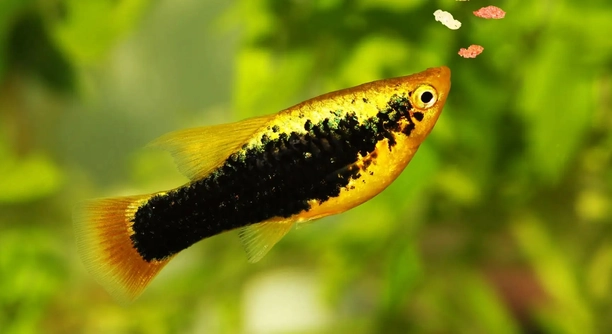
Many aquarium enthusiasts enjoy creating diverse habitats with various species. Combining fish and amphibians can add interest and life to a tank. Understanding how different creatures coexist is important for a healthy environment.
Platies and frogs can sometimes share a tank if conditions are carefully managed. Both species require compatible water parameters, adequate space, and minimal stress. Careful selection of frog species and monitoring behavior are essential to prevent conflicts and ensure safety.
Proper knowledge of their needs helps maintain harmony. This article explores how to create a balanced tank that supports both platies and frogs comfortably.
Compatibility of Platies and Frogs
Platies are peaceful, social fish that thrive in calm community tanks. They prefer moderate temperatures and clean, well-oxygenated water. Frogs, depending on the species, can have varying needs but often require similar water conditions. For example, African dwarf frogs adapt well to community tanks, sharing temperature and pH ranges compatible with platies. However, larger frogs or more aggressive species might stress or harm platies. Tank size plays a crucial role, as overcrowding can lead to competition for food and hiding spaces. It is important to provide plenty of plants and decorations to create territories and reduce stress. Proper filtration and regular maintenance keep water quality high, benefiting both animals. Feeding should be adjusted carefully to ensure both platies and frogs receive adequate nutrition without overfeeding or contamination. By paying attention to these factors, coexistence is possible in a well-managed aquarium.
Frogs and platies must share a habitat that meets their specific needs for temperature, space, and cleanliness.
Creating a balanced environment includes proper tank setup, monitoring behavior, and adjusting care routines to suit both species. Regular observation helps catch signs of stress early. Understanding the natural habits of each animal supports peaceful coexistence. Feeding schedules can be coordinated to prevent competition. Providing shelters and plants offers hiding spots that reduce territorial disputes. When problems arise, separating the animals may be necessary. With thoughtful preparation, a mixed tank can be stable and enjoyable to maintain.
Potential Risks and How to Manage Them
Platies are generally safe with small frogs, but some risks remain.
One risk is predation or injury. Larger frogs might see small fish as food, while platies may nip at frogs’ sensitive skin. Stress from overcrowding or incompatible water parameters can weaken immune systems, leading to disease. Introducing new animals without quarantine increases the chance of spreading infections. Monitoring water quality is essential, as waste from frogs and fish combined can degrade conditions quickly. Some frogs produce toxins, so choosing non-toxic species is important. Managing these risks requires careful research, regular tank checks, and adjustments in care. Creating separate areas with barriers or partitions can also help. Avoid keeping aggressive or very large frogs with platies. Proper feeding techniques and avoiding sudden changes reduce stress. If any sign of illness or aggression appears, prompt action helps protect all tank inhabitants. A well-maintained tank with compatible species reduces most potential problems.
Tank Setup Tips for Platies and Frogs
A spacious tank with hiding places is essential for both platies and frogs. Plants, rocks, and decorations provide shelter and reduce stress.
Using live plants benefits water quality by absorbing nitrates and providing natural hiding spots. A substrate that suits both animals is important—fine gravel or sand works well for frogs that like to burrow. Proper filtration ensures clean water without strong currents that might stress the fish or frogs. Lighting should mimic natural day and night cycles to keep both species comfortable. Regular water changes help maintain ideal water parameters. Avoid overcrowding to prevent territorial disputes and aggression. Temperature control is key, keeping the range suitable for both species, usually around 72-78°F (22-26°C). Adding floating plants can give frogs resting spots at the water’s surface. Setting up the tank thoughtfully promotes a peaceful coexistence and a healthy environment.
Careful tank preparation includes balancing environmental needs and creating enough space for movement and retreat. Observing interactions early helps adjust the setup if problems arise. When both species feel secure, they display more natural behavior, which is rewarding to watch.
Feeding Practices for Mixed Tanks
Feeding platies and frogs together requires attention to their different diets. Platies are omnivores and enjoy flakes, pellets, and small live or frozen foods. Frogs often prefer live or frozen insects and small invertebrates. Feeding at different spots in the tank reduces competition and ensures both species get enough food. Overfeeding should be avoided as leftover food can degrade water quality. It’s helpful to feed frogs first because they might be slower eaters than platies. Using sinking pellets for frogs and floating food for platies can separate feeding zones. Monitoring feeding habits helps identify if any animal is being outcompeted or missing meals. Feeding schedules should match the natural eating habits of both species for optimal health. Providing varied, high-quality food supports vitality and reduces stress-related behaviors in the tank.
Water Quality and Maintenance
Maintaining stable water quality is crucial for both platies and frogs. Regular testing for ammonia, nitrites, and nitrates helps prevent toxic buildup.
Performing weekly partial water changes keeps the environment clean and healthy. Consistent filtration and aeration support oxygen levels vital for both species.
Choosing the Right Frog Species
Small, peaceful frog species like African dwarf frogs are best suited for tanks with platies. They share similar water requirements and are less likely to harm fish. Larger or more aggressive frogs should be avoided, as they may stress or prey on platies. Researching species compatibility before adding frogs is essential to a successful community tank.
Monitoring Behavior
Watch for signs of stress or aggression between platies and frogs. Early detection helps prevent serious problems.
Adjusting Tank Conditions
Make necessary changes if either species shows signs of discomfort or illness.
FAQ
Can platies and frogs live together peacefully?
Yes, platies and certain frog species can live together peacefully if their needs are met. Both require compatible water temperature and quality, enough space, and plenty of hiding places. Careful species selection is important; for example, African dwarf frogs are good tank mates, while larger frogs might cause problems.
What size tank is needed for platies and frogs?
A tank of at least 20 gallons is recommended for a small group of platies and frogs. This size provides enough space for swimming and hiding, helping reduce stress and territorial disputes. Overcrowding can lead to aggression and poor water quality, so bigger tanks are better if you want more animals.
What kind of water conditions do they need?
Both platies and many frog species prefer water temperatures between 72°F and 78°F (22°C to 26°C). The pH should be neutral to slightly alkaline, around 7.0 to 8.0. Water hardness and cleanliness matter too, so regular water changes and proper filtration are necessary to maintain stable conditions.
How often should I feed them?
Feeding once or twice a day is usually enough. Platies eat flakes, pellets, or small live foods, while frogs prefer live or frozen insects like bloodworms or brine shrimp. Feeding separately or using sinking and floating foods helps ensure both get enough to eat without competition.
Are frogs likely to eat platies?
Smaller frog species like African dwarf frogs rarely eat adult platies, but large or aggressive frogs might try. Tadpoles or very small fish could be at risk. Monitoring interactions is important, and separating animals if predation occurs is necessary.
How do I prevent diseases in a mixed tank?
Quarantine new animals before adding them to the tank to avoid introducing illness. Maintain good water quality through regular cleaning and changes. Avoid overfeeding, which can cause waste buildup. Watch for signs of stress or illness and act quickly to isolate and treat affected animals.
What plants and decorations work best?
Live plants like java moss, anubias, or hornwort provide shelter and help improve water quality. Smooth rocks and driftwood create hiding spots without sharp edges that could injure frogs. Floating plants are beneficial for frogs to rest near the surface.
Can I keep other fish with platies and frogs?
Peaceful community fish that share similar water requirements might be okay, but adding too many species increases the risk of stress and disease. Avoid aggressive or territorial fish, as they can harm both platies and frogs. Research each species carefully before mixing.
How do I know if my frogs and platies are stressed?
Signs of stress include hiding more than usual, loss of appetite, lethargy, or unusual swimming patterns. Frogs may refuse food or show skin discoloration. Observing behavior daily helps catch problems early so you can adjust care or tank conditions.
Is it necessary to provide a separate land area for frogs?
Most aquatic frogs like African dwarf frogs do not need a land area since they live fully underwater. Semi-aquatic frogs, however, require a land area to rest and avoid drowning. Knowing the specific species’ needs helps set up the correct habitat.
What do I do if aggression occurs?
If aggression happens, identify the cause—it may be overcrowding, lack of hiding spots, or incompatible species. Increasing tank size, adding plants and decorations, or separating animals into different tanks can reduce conflicts. Sometimes, removing the aggressive individual is necessary.
How often should I clean the tank?
Perform partial water changes of 20-30% weekly to maintain water quality. Clean the filter monthly or as needed. Remove uneaten food and debris regularly to prevent buildup. Avoid full tank cleanings that disrupt beneficial bacteria.
Can platies reproduce in a tank with frogs?
Yes, platies can breed easily in community tanks if conditions are right. Frog presence usually doesn’t stop this, but some frogs might eat fry. Providing dense plants or breeding traps helps protect young fish.
What should I do if water parameters fluctuate?
Stable water conditions are vital. Sudden changes can stress animals and cause illness. Use test kits regularly and adjust temperature, pH, or hardness gradually if needed. Adding water conditioners or using reverse osmosis water helps maintain balance.
Are frogs noisy in a community tank?
Most aquatic frogs like African dwarf frogs are quiet and produce only soft clicking sounds underwater. Some land frogs are louder, so species choice affects noise levels. If noise is a concern, avoid vocal species.
Can I use the same equipment for platies and frogs?
Yes, the same heater, filter, and lighting system usually work for both. Ensure equipment supports the right temperature and gentle water flow to keep both comfortable. Avoid strong currents that can stress animals.
Mixing platies and frogs in the same tank can work well when their needs are carefully considered. Both species have similar water temperature and quality requirements, which makes them compatible in many cases. However, not all frogs are suitable tank mates for platies. Choosing smaller, peaceful frog species is important to avoid problems like aggression or predation. Providing enough space, hiding places, and maintaining good water conditions creates an environment where both platies and frogs can live comfortably together. It takes planning and regular care, but the results can be rewarding.
Tank setup plays a big role in helping platies and frogs coexist peacefully. A tank of adequate size with plenty of plants, rocks, and decorations gives each animal space to swim, hide, and rest. Live plants not only improve water quality but also provide natural shelter and reduce stress. Filtration and water movement should be gentle to suit both species. Keeping the water clean with regular changes and testing supports their health. Feeding habits also need attention; providing the right food in different areas of the tank helps reduce competition and ensures everyone gets enough to eat. Monitoring behavior and water quality regularly allows early detection of any issues.
While it is possible for platies and frogs to share a tank, it requires careful observation and commitment. Some challenges may arise, such as potential aggression or water quality changes due to different waste production. Addressing these challenges quickly is necessary to keep all tank inhabitants healthy. If problems occur, adjustments in tank conditions or separating animals might be needed. Understanding the specific needs of both species and providing a balanced, well-maintained environment is key to success. With patience and proper care, a mixed tank with platies and frogs can be an enjoyable and peaceful setup.

Hello,
If you enjoy the content that we create, please consider saying a "Thank You!" by leaving a tip.
Every little bit helps us continue crafting quality advice that supports the health, happiness, and well-being of pets around the world, for pets of all shapes, sizes, and species.
We really appreciate the kindness and support that you show us!