
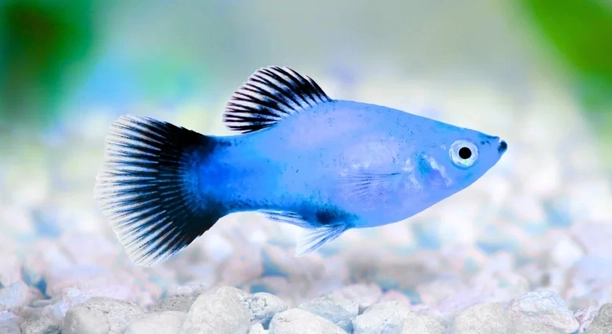
Platies are popular freshwater fish known for their vibrant colors and peaceful nature. Many aquarium owners enjoy watching their behaviors and interactions in the tank. Observing how platies respond to their environment can be quite fascinating.
Platies do have the ability to sense when someone approaches their tank. They rely on their lateral line system to detect vibrations and changes in water movement caused by nearby presence. This sensory adaptation helps them stay alert to potential threats or changes in their surroundings.
Understanding how platies perceive their environment can improve how you interact with them and enhance their well-being in your aquarium. The following details explain this fascinating behavior in more depth.
How Platies Detect Movement Near the Tank
Platies use a specialized sensory organ called the lateral line system to detect movement and vibrations in the water. This system runs along the sides of their bodies and helps them sense changes in water currents caused by your presence. When you approach the tank, even subtle motions or vibrations travel through the water and trigger this sensory system. This response is a natural survival mechanism, helping platies detect potential predators or disturbances in their environment. It explains why they often swim to the tank’s edge or show alert behavior when someone walks by. The lateral line system is sensitive enough to pick up on footsteps, tapping on the glass, or changes in light. This awareness helps platies adjust their behavior quickly, whether by hiding or becoming more active.
The lateral line system is key to how platies react to people nearby. It keeps them alert to movement and changes.
This ability shows how even small fish have complex sensory tools that connect them to their surroundings. It helps ensure their safety and comfort in the tank, making them more responsive and lively pets.
Signs Your Platies Notice You
Platies often swim closer to the front of the tank when they detect movement outside. They may pause their usual activities and turn their heads in your direction. These behaviors suggest they are aware of your presence. Some platies will even swim near the surface or follow your movements along the glass. This attention is not just about feeding time; it’s their way of processing environmental changes. They might be cautious, curious, or simply reacting to the vibrations caused by your steps. Recognizing these signs can help you build better interaction with your fish, as they show clear awareness rather than randomness. Observing these subtle behaviors allows you to understand their comfort levels and adjust your approach accordingly. Over time, platies may grow accustomed to your presence, showing less fear and more engagement.
Why Platies React to Your Presence
Platies react to your presence mainly because they detect vibrations and movement through their lateral line system. This causes them to become alert or curious when you approach the tank. It’s a natural response to changes in their environment.
The sensitivity of platies to movement helps them stay safe in the wild by detecting predators early. In an aquarium, this instinct remains strong. When you move near the tank, the vibrations in the water signal potential change or threat, triggering their alertness. This reaction is not a sign of fear alone but also of curiosity and awareness. Over time, platies may learn to associate your presence with feeding or care, which can make their response more positive.
Understanding this helps explain why platies often swim to the front or move quickly when you approach. Their reaction is an important survival behavior, even in a safe tank. This behavior also reflects their interaction with the environment and can improve your connection with them.
How to Make Your Platies More Comfortable
Platies become more comfortable when they recognize you as a non-threatening presence. Regular, calm interactions help reduce their stress and build trust. Avoid sudden movements or loud noises around the tank.
Providing hiding spots like plants or decorations also helps platies feel secure. When they have places to retreat, they are less likely to panic when sensing movement. Feeding them consistently at the same times creates positive associations with your presence. It helps them see you as a source of food and care rather than a threat. By observing their behavior and maintaining a calm environment, you support their well-being and encourage natural social behavior. This results in happier, more active fish that enjoy their tank environment.
How Lighting Affects Platies’ Awareness
Lighting changes in the room can also alert platies to your presence. Sudden shifts in brightness may catch their attention and cause them to move or react. Platies rely on visual cues as part of their awareness.
Consistent lighting helps platies feel more secure. Flickering or bright lights can stress them and make them overly sensitive to movement around the tank.
The Role of Sound in Platies’ Responses
Platies can sense vibrations caused by sounds near the tank. Loud noises or tapping on the glass create disturbances in the water, which they pick up through their lateral line system. These sound vibrations contribute to their awareness of nearby activity and often prompt quick reactions.
Feeding Times and Recognition
Platies learn to associate feeding times with the presence of people. This conditioning makes them more attentive and responsive when you approach the tank around mealtime.
FAQ
Can platies really tell when someone is near their tank?
Yes, platies can sense when someone approaches their tank. They use their lateral line system to detect vibrations and movements in the water. This sensory system allows them to respond quickly to changes outside the tank, helping them stay alert and aware of their environment.
Why do platies swim to the front when I come near?
Swimming to the front of the tank is a common behavior when platies detect movement nearby. They may be curious, cautious, or expecting food. This reaction is tied to their natural instincts and the way they use their senses to monitor their surroundings.
Do platies get stressed when I tap on the glass?
Yes, tapping on the glass can cause stress for platies. The vibrations and sudden noise create disturbances in the water, which they perceive as potential threats. It is best to avoid tapping to keep them calm and comfortable.
How can I help my platies feel more comfortable around me?
Building trust takes time. Regular, gentle movements near the tank and feeding at consistent times help platies associate your presence with positive experiences. Providing hiding spots like plants also makes them feel secure and less stressed.
Do platies recognize their owners?
Platies do not recognize people by face but can learn to associate the presence and routine actions of their owners with food and care. Over time, they become more comfortable and responsive to familiar activities near the tank.
Why do platies sometimes hide when I approach?
Hiding is a natural defense mechanism. If platies feel threatened by sudden movement, noise, or light changes, they retreat to safe spots. Ensuring a calm environment and providing hiding places reduces their need to hide.
Can platies see me through the glass?
Yes, platies can see through the glass and observe movement and light changes outside the tank. Their vision combined with the lateral line system helps them stay aware of what is happening nearby.
Does the time of day affect how platies react to me?
Platies tend to be more active and responsive during daylight hours when they rely on vision and their other senses. In low light or at night, they may be less aware of movement and less likely to react strongly.
Is it normal for platies to follow my movements?
Yes, following your movements is common behavior. Platies often track activity near their tank to assess whether it signals food or danger. This tracking shows their natural curiosity and survival instincts.
What should I avoid doing near my platies to keep them comfortable?
Avoid sudden movements, loud noises, and tapping on the glass. Also, avoid flashing bright lights suddenly or moving around the tank too quickly. Keeping a calm and steady routine helps platies feel safe and less stressed.
Platies are small but sensitive fish that react to their environment in many ways. Their ability to sense movement and vibrations near the tank shows how connected they are to their surroundings. This natural awareness is a key part of their survival instinct. It helps them stay alert to changes, whether it means a possible threat or an opportunity like feeding time. Understanding this behavior gives aquarium owners a better appreciation of how platies interact with the world around them.
Creating a calm and stable environment is important for keeping platies comfortable and healthy. Simple steps like moving gently near the tank, avoiding sudden loud noises, and providing plenty of hiding spots can reduce their stress. When platies feel secure, they show more natural behaviors and are easier to observe and enjoy. Feeding them regularly and keeping the tank clean also supports their well-being. These small efforts help build trust between the fish and their caretaker, leading to a more pleasant aquarium experience for both.
Observing platies as they respond to your presence can be rewarding. Their sensitivity to movement and sound means they notice even small changes. Over time, they may become more accustomed to your routine and respond with less fear and more curiosity. This growing familiarity allows for a closer connection to your fish and a deeper understanding of their needs. Paying attention to these behaviors and adjusting your care accordingly ensures that your platies live in a comfortable and healthy environment.

Hello,
If you enjoy the content that we create, please consider saying a "Thank You!" by leaving a tip.
Every little bit helps us continue crafting quality advice that supports the health, happiness, and well-being of pets around the world, for pets of all shapes, sizes, and species.
We really appreciate the kindness and support that you show us!