
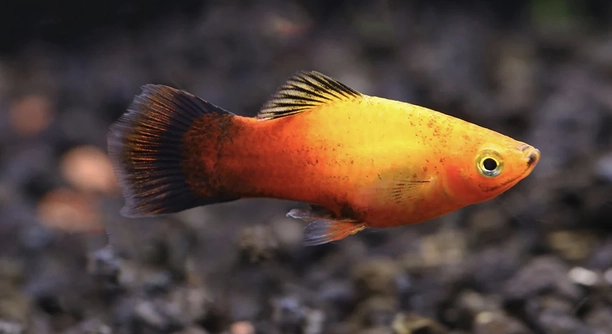
Platies are small, colorful fish often kept in home aquariums. Many fish owners wonder how these little swimmers react to changes in their water environment. Knowing how platies sense water quality can help keep them healthy.
Platies can detect changes in water quality through their sensitive lateral line system and chemical receptors. These biological features allow them to sense pollutants or harmful substances, prompting behavioral changes to avoid dirty or unsafe water conditions.
Understanding how platies respond to water quality can help aquarium owners maintain a better habitat. Keeping their environment clean ensures the fish stay active and comfortable in their tanks.
How Platies Detect Changes in Water Quality
Platies have a special way of noticing when their water isn’t right. They use a system called the lateral line, which runs along their sides and helps them sense vibrations and movements in the water. This system is very sensitive and alerts them to changes that might signal danger. Besides this, platies also have chemical receptors that detect different substances dissolved in the water. When the water gets polluted or dirty, these receptors pick up on harmful chemicals or waste products. Because platies rely heavily on clean water for breathing and feeding, any change in the water quality can cause them to behave differently. You might notice they swim less or hide more when their environment is not clean. This natural sensing ability helps them avoid harmful conditions, which is why regular tank maintenance is so important for keeping platies safe.
The lateral line and chemical receptors work together to protect platies by helping them avoid harmful water conditions.
Recognizing how platies sense their environment allows aquarists to catch water quality problems early. Observing changes in fish behavior can be the first sign of water issues, prompting timely cleaning or testing. Using filters, performing regular water changes, and avoiding overfeeding are practical steps to keep the water clean. Testing kits can help track pH levels, ammonia, and nitrate concentrations to ensure they stay within safe limits. This attention to water quality not only keeps platies healthy but also reduces stress and prevents diseases that arise from poor living conditions.
Signs That Water Quality Is Poor for Platies
Platies show clear signs when their water is dirty or toxic.
These fish may become less active, spending more time hiding or resting near the bottom of the tank. Their colors can fade, and they might stop eating regularly. Sometimes, you’ll notice them gasping for air at the water surface, indicating low oxygen levels. Swimming patterns may become erratic or sluggish, and in some cases, they may scratch against objects due to irritation from chemicals or parasites. Monitoring these signs closely helps prevent serious health problems. Quick action, such as testing the water and changing it, can reverse these effects and restore a safe habitat for your platies. Keeping an eye on their behavior is a simple but effective way to ensure your fish stay comfortable and thrive.
Maintaining Clean Water for Platies
Regular water changes are essential for keeping platies healthy. Changing about 20-30% of the tank water weekly helps remove waste and toxins. Clean water means better breathing and less stress for the fish.
Using a good filter supports water cleanliness by trapping debris and promoting beneficial bacteria growth. Filters break down harmful ammonia into less toxic substances. Overfeeding should be avoided because leftover food pollutes the water quickly. Feeding small amounts once or twice daily is enough. Testing water regularly with kits for ammonia, nitrites, and nitrates ensures the environment stays safe. Maintaining stable temperature and pH levels also protects platies from sudden stress. Consistent care creates a comfortable and healthy home for them.
In a clean environment, platies grow stronger and display brighter colors. Healthy water reduces the chance of diseases caused by harmful bacteria or parasites. Proper maintenance extends their lifespan and encourages natural behavior like breeding. Clean water supports oxygen exchange at the surface, which is vital for fish health. Small efforts in water care make a big difference in keeping your platies lively and stress-free.
Common Mistakes Affecting Water Quality
Ignoring regular water changes causes waste buildup, which harms platies quickly.
Overfeeding leads to excess food decomposing in the tank, raising ammonia levels that poison fish. Using inadequate or poorly maintained filters can fail to remove toxins properly. Adding too many fish to a tank overcrowds the space and increases waste beyond what the system can handle. Ignoring water testing misses early signs of dangerous chemical changes. Fluctuations in temperature or pH stress the fish and lower their immune response. Avoiding these mistakes improves tank conditions and helps platies thrive. Simple, consistent care habits prevent many water quality problems before they start.
How Platies React to Dirty Water
Platies quickly react to poor water quality by changing their behavior. They may swim less or hide more to avoid harmful conditions. These responses help protect them from stress and injury caused by dirty water.
Changes in water can also affect their breathing. Gasping at the surface often means oxygen levels are low. This is a common reaction when water is polluted or stagnant. Watching these signs is important to keep their environment healthy.
The Role of Aquarium Plants in Water Quality
Aquarium plants help improve water quality by absorbing harmful chemicals like nitrates. They also produce oxygen during photosynthesis, which supports fish health. Adding live plants can create a more balanced and natural environment for platies.
Tips for Testing Water at Home
Using a simple test kit regularly helps track water quality. Check ammonia, nitrites, nitrates, and pH to ensure levels are safe. Early detection of problems keeps platies healthy and reduces the risk of disease.
FAQ
Can platies survive in slightly dirty water?
Platies are somewhat hardy fish and can survive short periods in water that isn’t perfectly clean. However, consistently dirty water will harm their health. It can cause stress, weaken their immune system, and lead to diseases. Keeping water clean is important for their long-term survival and well-being.
How often should I change the water for my platies?
A good rule of thumb is to change 20-30% of the tank water every week. This helps remove waste and toxins before they build up. If the tank is heavily stocked or if you notice water quality issues, you might need to change the water more frequently.
What are the signs that my platies are stressed due to water quality?
Signs of stress include reduced activity, loss of appetite, faded colors, and hiding more than usual. You might also notice erratic swimming or gasping at the surface. These behaviors often mean the water quality is poor and needs attention.
Can platies smell or taste the water?
Platies don’t have a sense of smell or taste like humans, but they do have chemical receptors in their skin and gills. These receptors help them detect harmful substances and changes in water chemistry, prompting them to avoid dangerous areas or react with stress behaviors.
Is it okay to use tap water for my platies?
Tap water is usually fine if treated properly before adding it to the tank. Most tap water contains chlorine or chloramine, which are harmful to fish. Using a water conditioner removes these chemicals and makes the water safe. Always test the water before adding it to the tank.
Why do platies sometimes swim at the surface?
Swimming at the surface can mean the fish are seeking more oxygen. Poor water quality or low oxygen levels often cause this behavior. Improving aeration, cleaning the tank, or doing water changes usually fixes this problem.
How can I keep my platies healthy besides water changes?
Besides regular water changes, avoid overfeeding and maintain good filtration. Use plants to help balance the tank, and test water parameters regularly. Keeping the tank clean and stable reduces stress and keeps platies vibrant.
What happens if I don’t test my aquarium water?
Without testing, you might miss harmful changes in water chemistry that can quickly harm your fish. Testing helps detect dangerous ammonia, nitrite, or nitrate levels early. This allows you to act before your platies become sick or stressed.
Can platies live in unfiltered water?
Platies can survive in unfiltered water for a short time, but it’s not ideal. Without filtration, waste builds up quickly, making the water toxic. A filter helps maintain cleaner water and supports beneficial bacteria that break down harmful substances.
Are platies sensitive to pH changes?
Platies prefer a stable pH between 6.8 and 8.0. Sudden or extreme pH changes stress them and can cause illness. Keeping the pH stable through regular testing and water maintenance supports their health.
How do platies behave when water temperature is wrong?
If the water is too cold or too warm, platies become less active or may gasp at the surface. Ideal temperature for platies is 72-78°F (22-26°C). Keeping temperature steady with a heater or thermometer helps avoid stress.
What role do beneficial bacteria play in water quality?
Beneficial bacteria break down harmful ammonia and nitrites into less toxic nitrates. These bacteria live mainly in the filter and substrate. Supporting their growth by not over-cleaning the tank and maintaining the filter helps keep water safe.
Can I rely on platies’ behavior alone to know water quality?
While platies’ behavior can indicate water problems, it’s best to confirm with water testing. Behavioral changes may occur late, after toxins have already built up. Combining observation with testing is the safest approach.
How quickly can dirty water affect platies?
Water quality can deteriorate fast in small or crowded tanks. Harmful ammonia or nitrite levels may rise within days if not controlled. Acting quickly when you notice signs or test results is important to protect your fish.
What’s the best way to clean a platy tank?
Use a gravel vacuum to remove debris during water changes, clean the filter media gently to avoid killing beneficial bacteria, and avoid over-cleaning plants or decorations. Regular maintenance keeps water clear and safe without disrupting the tank’s balance.
Platies are small fish that depend a lot on clean water to stay healthy and happy. Their bodies can sense changes in the water through special organs that detect chemicals and movement. When the water becomes dirty or polluted, platies will show signs by changing their behavior, such as swimming less or hiding more. This natural response helps protect them from harm but also warns us that their environment needs attention. Keeping the water clean is not just about looks; it directly affects the health and lifespan of the fish.
Maintaining a good home for platies means regular care and attention. Simple tasks like changing part of the water every week, avoiding overfeeding, and using a proper filter can make a big difference. Testing the water regularly for harmful substances like ammonia and nitrites is also important. These steps prevent waste buildup and keep the water safe for the fish. Adding live plants can help balance the water by removing toxins and adding oxygen. Small efforts in cleaning and monitoring can keep platies active and prevent diseases caused by poor water quality.
Understanding how platies sense and react to water quality gives us a better way to care for them. Watching their behavior closely can be an early warning when something is wrong with the tank. This way, problems can be fixed quickly before the fish get sick. Keeping water clean, stable, and safe is the best way to ensure platies live a long, healthy life. Regular care and simple maintenance will help them thrive and show their beautiful colors, making your aquarium a lively and pleasant space.

Hello,
If you enjoy the content that we create, please consider saying a "Thank You!" by leaving a tip.
Every little bit helps us continue crafting quality advice that supports the health, happiness, and well-being of pets around the world, for pets of all shapes, sizes, and species.
We really appreciate the kindness and support that you show us!