
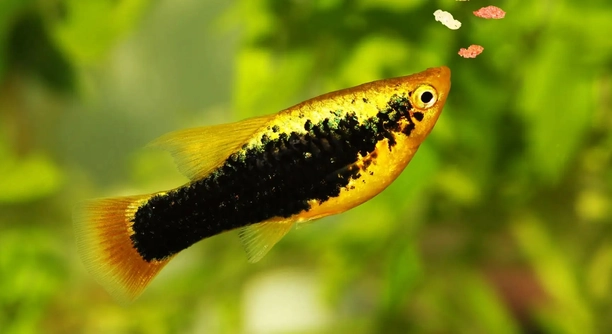
Platies are popular freshwater fish often kept in home aquariums. Many owners notice their activity changes when the lights go out. Understanding how platies behave at night helps provide better care for these small, colorful fish.
Platies do not see well in complete darkness, as their vision relies on light to detect surroundings. At night, they depend more on other senses such as their lateral line system to navigate and respond to the environment.
Knowing how platies manage low-light conditions can improve their tank setup and nighttime environment, ensuring their comfort and natural behavior are supported.
How Platies Use Their Senses at Night
Platies rely on their vision during the day, but at night, when light is minimal or absent, their eyesight becomes less useful. Instead, they depend on their lateral line system, a series of sensitive cells along their sides that detect vibrations and movements in the water. This sense helps platies avoid obstacles, find food, and stay aware of other fish nearby. Their other senses, such as smell and taste, also play a role in guiding them when visibility is low. Despite limited sight, platies remain active and can explore their environment safely in the dark. This adaptation allows them to react to changes in the tank without relying solely on light, making their nighttime behavior different but still natural and functional.
Platies do not freeze in the dark; they continue to swim cautiously using their non-visual senses.
Understanding these sensory adaptations helps improve how we care for platies during nighttime hours, ensuring their habitat supports their natural behavior effectively.
Nighttime Behavior Patterns
Platies tend to reduce their activity levels as the lights go out, though they don’t completely stop moving. They usually stay near plants or decorations, using these areas as shelter or resting spots. This quieter, more reserved behavior helps them avoid stress from sudden movements or disturbances. The gradual dimming of light in a tank can make this transition smoother, allowing platies to adjust naturally rather than being startled.
At night, platies may feed less often, but they remain alert to changes in their environment. Their social behavior also shifts; they are less likely to chase or interact aggressively in darkness. Providing a calm, low-stress tank environment during nighttime supports their health and well-being.
Knowing these patterns helps aquarium owners create routines that respect platies’ natural rhythms, such as controlling light cycles and minimizing nighttime disturbances. This care contributes to happier, healthier fish overall.
Lighting and Its Effect on Platies at Night
Platies are sensitive to changes in lighting. Sudden shifts from bright to dark can startle them, causing stress. A gradual dimming helps them adjust more comfortably to nighttime conditions.
Using a timer for aquarium lights creates a consistent day-night cycle. This steady routine supports platies’ natural behavior and reduces stress. Bright, continuous lighting at night disrupts their rest and can lead to unhealthy activity levels. Lower light levels or ambient moonlight settings encourage a natural transition to rest, mimicking their environment in the wild.
Providing areas of shade and dense plants in the tank allows platies to retreat when the light fades. This sense of security improves their comfort during the night. Keeping the environment calm during these hours contributes to their overall well-being, reducing anxiety and promoting natural behavior.
Feeding Platies and Nighttime Activity
Platies generally feed less during the night. Offering food during daylight hours helps ensure they get proper nutrition without disrupting their rest cycle.
Feeding at consistent times each day trains platies to expect food when the lights are on. Overfeeding or feeding at night can lead to leftover food, which pollutes the tank and stresses fish. Nighttime feeding is usually unnecessary unless you observe unusual behavior or loss of appetite during the day.
Maintaining good water quality through regular cleaning supports healthy nighttime behavior. Clean tanks reduce stress and allow platies to rest properly, making feeding schedules more effective. Consistent care and feeding habits help keep platies healthy and active during their natural daylight hours.
Tank Environment and Nighttime Comfort
Platies feel safest in tanks with plenty of hiding spots and plants. These provide shelter during low light periods.
Soft substrate and gentle water flow also contribute to their comfort. Creating a calm environment helps reduce stress at night.
Monitoring Nighttime Behavior Changes
Watching platies during the night can reveal health or stress issues. Sudden changes in movement or activity may signal problems.
Regular observation ensures prompt action when needed, helping maintain their wellbeing.
Common Nighttime Stress Factors
Noisy surroundings and sudden bright lights often cause stress in platies at night. Limiting disturbances supports better rest.
A peaceful environment encourages natural behavior and healthier fish overall.
Adjusting Lighting for Better Rest
Using dim lights or moonlight settings helps platies transition smoothly into nighttime. This reduces anxiety caused by sudden darkness.
Consistent light schedules improve their natural rhythms and promote relaxation during the night.
FAQ
Can platies see in complete darkness?
Platies cannot see well in total darkness because their eyes need some light to detect shapes and movement. When there is no light, they rely on other senses like their lateral line to feel vibrations and stay aware of their surroundings. This helps them move safely without relying on sight.
Do platies sleep at night?
Platies do rest during the night, but their sleep is different from mammals. They become less active and find sheltered spots in the tank to stay calm. While they don’t close their eyes, their activity slows down, which helps them conserve energy and stay healthy.
Is it harmful to keep the aquarium lights on all night?
Yes, keeping aquarium lights on all night can be stressful for platies. They need a regular day-night cycle to regulate their behavior and rest properly. Continuous light disrupts their natural rhythm and can cause anxiety, affecting their health over time.
How should I set up lighting for platies at night?
Using a timer to create a gradual dimming effect at the end of the day is ideal. This mimics natural dusk and helps platies adjust calmly to darkness. Some aquariums offer moonlight settings or dim LED lights, which provide enough light for the fish to sense their environment without disturbing their rest.
Will platies eat at night?
Platies usually eat less or not at all during the night. They are more active feeders during the day when there is light. Feeding them at regular daytime intervals helps maintain their health and keeps the tank clean by reducing leftover food.
What signs show platies are stressed at night?
If platies hide excessively, swim erratically, or stop moving altogether during nighttime, it might indicate stress. Sudden changes in behavior like increased aggression or loss of appetite are also warning signs. These behaviors often result from poor lighting, noise, or water quality issues.
Can platies navigate their tank without light?
Yes, platies use their lateral line system to detect water movement and obstacles, allowing them to navigate without relying on sight. This sensory adaptation helps them avoid dangers and find resting spots even in darkness.
Do platies need hiding places in their tank?
Providing hiding spots is important for platies, especially at night. Plants, rocks, and decorations give them a sense of security and reduce stress. Well-placed shelters allow platies to rest peacefully and feel safe when light levels are low.
Is sudden darkness harmful to platies?
Sudden darkness can startle platies and increase stress levels. A gradual light reduction is better because it allows them to adjust naturally. Abrupt changes may cause panic swimming or hiding, which is unnecessary stress that can impact their health.
How often should I check on platies at night?
It’s helpful to observe platies occasionally at night to monitor their behavior and health. However, avoid disturbing them frequently, as excessive movement or light can interrupt their rest. Quiet, low-light observation is best for understanding their nighttime habits.
Can platies recognize their owners in the dark?
Platies mostly rely on sight to recognize shapes and movements, so in the dark, they probably do not recognize people as well. However, they may respond to familiar vibrations or routine feeding sounds, associating these cues with their owner.
What temperature is best for platies at night?
Maintaining a stable temperature, typically between 72°F and 78°F (22°C to 25.5°C), is important for platies. Sudden drops or spikes in temperature at night can stress them and disrupt their normal behavior.
Do platies behave differently at night compared to other fish?
Platies tend to be less active at night compared to their daytime behavior but are not completely inactive. Their reliance on senses other than vision during darkness is similar to other small tropical fish, but their specific responses may vary depending on tank conditions.
Should I feed platies less if they eat less at night?
Yes, feeding should align with their natural daytime activity. Overfeeding because of nighttime inactivity can cause uneaten food to decay, affecting water quality. Stick to regular feeding times during the day to meet their nutritional needs safely.
Platies are fascinating fish with unique ways of adapting to their environment, especially at night. While they do not see well in complete darkness, they use other senses to navigate their tank and stay safe. Understanding how platies behave during the night helps aquarium owners provide the best care possible. Creating a comfortable nighttime environment with appropriate lighting, hiding spots, and a stable routine supports their natural rhythms and promotes their overall health.
Maintaining a proper light cycle is one of the most important factors in caring for platies. Using timers to simulate natural day and night periods reduces stress and helps the fish adjust to darkness gradually. This also prevents sudden changes that can startle them. Besides lighting, ensuring there are enough plants and decorations for shelter is essential. These hiding places allow platies to feel secure and rest peacefully. A calm and stable tank environment at night contributes significantly to the well-being of platies and helps them stay active and healthy during the day.
Finally, feeding routines and tank maintenance play a role in supporting platies’ nighttime behavior. Feeding should happen mostly during the day to match their natural activity patterns, while overfeeding at night should be avoided to keep the tank clean and safe. Regular water changes and maintaining stable water temperature are also key to reducing stress. Observing platies’ behavior at night can reveal important signs about their health. With proper care and attention to their needs during darkness, platies can live comfortably and display their natural, lively behavior every day.

Hello,
If you enjoy the content that we create, please consider saying a "Thank You!" by leaving a tip.
Every little bit helps us continue crafting quality advice that supports the health, happiness, and well-being of pets around the world, for pets of all shapes, sizes, and species.
We really appreciate the kindness and support that you show us!