
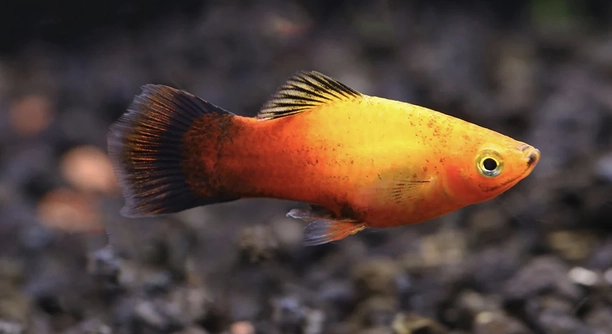
Platies are popular freshwater fish known for their vibrant colors and peaceful nature. Many aquarists enjoy keeping them in community tanks with other species. Understanding how platies interact with their tank mates is important for maintaining a harmonious aquarium environment.
Research indicates that platies have a limited capacity for social recognition and memory of their tank mates. While they may distinguish familiar fish from strangers to some extent, their ability to remember individual tank mates over time remains minimal and inconsistent.
Exploring how platies recognize and react to others can help improve tank management and fish welfare in home aquariums. This knowledge supports better decisions for creating stable aquatic communities.
How Platies Recognize Their Tank Mates
Platies use a combination of visual cues and chemical signals to identify other fish in their tank. Their eyesight helps them notice colors and shapes, which plays a role in recognizing familiar fish. Additionally, they rely on their sense of smell to detect chemical markers released by other platies. This combination allows them to differentiate between fish they see regularly and new arrivals. However, their memory for these traits is limited, and they do not seem to form strong social bonds like some other species. Over time, platies may become less reactive to familiar tank mates simply because they are used to their presence, rather than actively remembering them. This behavior helps reduce unnecessary aggression and stress in a shared environment. Maintaining consistent tank conditions and stable groups can support peaceful interactions and lessen tension among the fish.
Their recognition abilities influence how they behave toward others but do not guarantee lasting memory or loyalty.
Understanding these factors helps in creating a calm tank atmosphere where platies can thrive together without constant conflict or stress.
Factors Affecting Memory in Platies
Fish memory is affected by environmental conditions and social dynamics. Changes in tank size, water quality, or introduction of new fish can impact how well platies recognize and remember tank mates. Stressful environments reduce cognitive function, making it harder for platies to distinguish familiar fish. Tank mates that display aggressive or dominant behavior also interfere with memory and social recognition, as weaker fish may avoid interaction altogether. Age and health can influence a platy’s ability to remember others; younger and healthier fish typically show better recognition. Repeated exposure to the same group helps strengthen familiarity, but this is more about habituation than true memory. Proper tank maintenance and gentle handling improve overall fish health, which supports their social abilities. Keeping the tank environment stable allows platies to behave naturally and reduces confusion caused by frequent changes.
Social Behavior of Platies in Community Tanks
Platies are generally peaceful fish that coexist well with many species. They prefer calm environments with plenty of hiding spots.
Their social behavior includes swimming in loose groups and occasionally chasing each other in playful ways. While they show some recognition of familiar tank mates, their interactions remain mostly based on immediate circumstances rather than long-term memory. Territorial disputes are rare but can happen if space is limited or if aggressive species are introduced.
Community tanks with compatible fish reduce stress and aggression. Providing enough room and environmental enrichment helps platies maintain natural social patterns and lowers competition for resources.
Improving Tank Conditions for Better Fish Interaction
Stable water parameters like temperature, pH, and cleanliness are crucial for platies’ health and social behavior. Sudden changes can cause stress, making fish less likely to recognize or interact calmly with tank mates. Consistent feeding routines also promote peaceful behavior. A well-maintained tank supports better fish memory and social habits by reducing distractions and discomfort. Regular monitoring and gentle care create an environment where platies can settle and interact naturally without unnecessary stress. Keeping the tank clean and balanced helps all fish feel secure, which encourages peaceful coexistence and subtle recognition among platies.
Signs Platies Use to Identify Tank Mates
Platies rely on sight and smell to recognize other fish. They notice colors, patterns, and movements. Chemical signals also help them detect familiar individuals.
These sensory cues allow platies to distinguish between new and known tank mates, which can influence how they behave toward others.
Can Platies Remember Individual Fish?
Research shows platies have a limited ability to remember individual tank mates over time. Their recognition is more about habituation than true memory. They react less to familiar fish simply because they are used to their presence, not due to strong social bonds or long-term recall.
Managing Aggression in Mixed Species Tanks
Aggression in community tanks usually results from overcrowding or incompatible species. Providing enough space and hiding spots reduces stress and aggressive encounters.
The Role of Environment in Fish Memory
Stable tank conditions support better fish behavior and recognition. Unstable environments increase stress, which impairs memory and social interaction.
How long can platies remember their tank mates?
Platies do not have a strong long-term memory for individual tank mates. Their recognition tends to last only a few days or weeks, mostly due to habituation. They become less reactive to familiar fish because of repeated exposure, not because they remember them distinctly over long periods.
Do platies show different behavior toward familiar and new fish?
Yes, platies often behave more calmly around familiar tank mates. They may chase or investigate new fish more actively at first. Over time, as new fish become familiar, platies typically reduce these investigative behaviors and show less stress.
Can platies form social bonds with their tank mates?
Platies are social fish but do not form strong, lasting social bonds like some species. Their interactions focus more on immediate comfort and group cohesion rather than individual relationships.
Does tank size affect platies’ ability to remember others?
Tank size indirectly affects recognition. In smaller tanks, platies interact more frequently, which may increase habituation and familiarity. In larger tanks, less frequent contact can reduce their ability to recognize others consistently.
How does stress impact platies’ memory?
Stress reduces cognitive function in platies, making it harder for them to recognize and remember tank mates. Poor water quality, aggressive neighbors, or overcrowding all increase stress levels and impair memory and social behavior.
Are male and female platies different in social recognition?
There is no clear evidence that males and females differ significantly in recognizing tank mates. Both sexes rely on similar sensory cues and show comparable patterns of habituation and social interaction.
Will platies remember tank mates after being separated?
Platies are unlikely to remember individual tank mates after long separation. Time apart and changes in environment weaken any memory formed. Familiarity mainly develops through continuous interaction.
Can introducing new fish disrupt existing recognition?
Adding new fish can cause temporary stress and confusion, disrupting platies’ recognition of familiar tank mates. This often settles once the new fish become part of the group and routines normalize.
Do platies recognize fish of different species?
Platies can distinguish between species, primarily by visual and chemical cues. However, their ability to remember individual fish of other species is limited. Recognition tends to be more about species identity than individual familiarity.
How can I help platies get along better with their tank mates?
Maintaining stable water conditions, providing hiding spots, and avoiding overcrowding support peaceful interactions. Introducing new fish gradually and choosing compatible species reduces stress and helps platies adjust.
Is it normal for platies to be aggressive sometimes?
Mild chasing and occasional nips are normal social behaviors, especially among males. True aggression that causes harm often results from stress, overcrowding, or incompatible tank mates.
Does diet affect platies’ social behavior?
A balanced diet supports overall health and can influence social behavior positively. Well-nourished platies tend to be calmer and less prone to stress-related aggression.
Can platies recognize their owners?
Platies may respond to their owners by recognizing feeding routines or movement near the tank. However, this recognition is based on learned associations rather than social memory.
What signs indicate platies are stressed in a community tank?
Signs include hiding excessively, loss of appetite, rapid breathing, or frequent darting. Stress affects memory and social interaction, so addressing these signs quickly is important.
Are there fish species that platies get along with better?
Platies do well with other peaceful fish like guppies, mollies, and swordtails. Avoid aggressive or territorial species to reduce stress and conflict.
Does lighting affect platies’ ability to recognize tank mates?
Proper lighting helps platies see visual cues clearly, supporting recognition. Too bright or dim lighting can cause stress or reduce their ability to identify others.
Can platies remember past aggressive encounters?
There is limited evidence that platies remember specific past aggressive encounters. They may avoid certain fish based on general stress or dominance rather than detailed memory.
How often should I rearrange decorations in a platy tank?
Frequent rearranging can increase stress and confusion. Keeping decorations stable allows platies to become familiar with their environment and recognize tank mates more easily.
Do young platies recognize tank mates differently than adults?
Younger platies may have less developed recognition skills. Adults typically show stronger habituation to familiar tank mates due to longer exposure and experience.
What role does water temperature play in platies’ behavior?
Stable, appropriate temperatures support normal behavior and cognitive function. Sudden changes or extremes can cause stress, affecting memory and social interaction.
This FAQ covers common concerns about platies’ recognition and social behavior. Knowing these facts can help create a calm and healthy tank environment.
Platies are popular fish that bring color and life to home aquariums. Their social behavior is simple but interesting. While they do recognize other fish in their tank, their memory for individual tank mates is limited. Instead of forming strong bonds, platies mostly rely on getting used to the presence of other fish around them. This means they are less likely to react to fish they see regularly, which helps reduce stress and fighting in the tank. Knowing this can help fish keepers create a peaceful environment for their platies.
Maintaining stable conditions in the tank is important for platies’ overall well-being and social behavior. Sudden changes in water quality, temperature, or tank setup can cause stress and confusion, making it harder for platies to get along with others. Providing enough space and hiding places also helps reduce tension among fish. When platies have a calm and consistent environment, they behave more naturally and peacefully. It is important to choose compatible tank mates and avoid overcrowding to ensure a smooth community dynamic.
Understanding the limits of platies’ memory and recognition can improve how we care for them. While they may not remember individual fish deeply, they do respond to familiar sights and smells over time. This can make life in a community tank less stressful and more enjoyable for all fish involved. By keeping tanks stable and providing gentle care, fish keepers support platies’ social needs and promote a healthy aquarium. These simple steps help platies thrive and remain a colorful, peaceful addition to any home aquarium.

Hello,
If you enjoy the content that we create, please consider saying a "Thank You!" by leaving a tip.
Every little bit helps us continue crafting quality advice that supports the health, happiness, and well-being of pets around the world, for pets of all shapes, sizes, and species.
We really appreciate the kindness and support that you show us!