
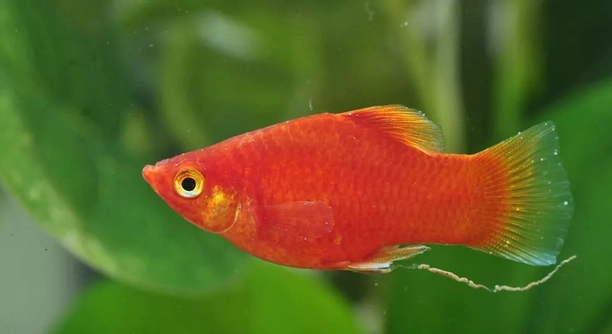
Have you ever noticed your platy’s fins looking frayed or torn, leaving you concerned about their recovery and overall well-being?
Platies can recover from fin damage, especially if the injury is minor and proper tank conditions are maintained. Clean water, balanced nutrition, and limited stress are essential for promoting healthy regrowth and preventing infections during the healing process.
Understanding the causes and recovery process can help you care for your fish more effectively and avoid future fin damage.
Common Causes of Fin Damage in Platies
Fin damage in platies can be caused by various factors. Nipping from other fish is a common reason, especially if your platy shares a tank with aggressive species. Poor water quality is another cause, as ammonia and nitrite spikes can weaken fin tissue and slow healing. Overcrowding can lead to stress, which lowers the immune system and makes fins more vulnerable to injury and infection. Sharp or rough decorations in the tank can also tear delicate fin tissue when fish swim too close. Additionally, fin rot, a bacterial infection, can start with small tears and progress quickly if not treated. Watching how fish interact, cleaning the tank regularly, and using soft décor can reduce the risk of damage. Feeding your platies high-quality food also supports fin health. If you notice recurring fin issues, it may be necessary to review your tank’s conditions and fish compatibility to prevent further problems.
Keep tank mates peaceful, and avoid overstocking your aquarium to maintain harmony and reduce stress-related damage.
Environmental stability plays a big role in fin health. Even if your platy heals once, poor conditions can lead to repeated damage. That’s why addressing the root cause is just as important as treating the fins. Prevention is the best long-term solution.
How to Help Platies Heal Faster
Clean, warm water is key to healing fin damage. Make sure your tank stays between 75–80°F and perform regular water changes.
When fin damage happens, the first step is to check and improve water quality. Use a water conditioner and test for ammonia, nitrite, and nitrate levels. Maintain steady temperature and avoid any sudden changes. Feed your platy a protein-rich diet with occasional live or frozen food to boost recovery. Isolate the injured fish if it’s being bullied or stressed, and consider adding aquarium salt in small amounts to support healing. Avoid using harsh medications unless there is clear infection. Observe the fish daily for signs of improvement or worsening. Look for smooth, transparent fin edges, which usually mean new growth. If you don’t see progress after a week, consult an aquatics specialist. With gentle care and proper attention, most platies bounce back from mild to moderate fin damage and regain their vibrant appearance over time.
Signs of Healing and What to Expect
You’ll usually see new fin growth appear as clear or whitish edges. This means the tissue is regenerating. The process is slow, but steady improvement over several days or weeks is a good sign.
Healthy regrowth depends on maintaining stable tank conditions. Watch for smoother edges and reduced redness or inflammation. Your platy should also swim more confidently as it heals. Avoid touching or netting the fish unnecessarily, as this can slow recovery. If the edges start looking ragged again or show white fuzz, that may mean the healing has stalled or infection is setting in. In that case, test the water again and reduce stress factors. Healing can take anywhere from one to four weeks, depending on the extent of the damage and your care efforts. Be patient and stay consistent with your maintenance routine.
If your platy is still eating well and moving normally, that’s another strong sign it’s recovering. Appetite is a reliable indicator of overall health. You might also notice the fish spending more time swimming around the tank, rather than hiding. These small changes mean it’s on the right track. Avoid making big changes to the tank environment during this time unless absolutely necessary. Stability supports the healing process best.
When to Be Concerned
If the fin edges become blackened, bloody, or develop white fuzz, this may indicate infection. Also, if your platy stops eating or hides constantly, it’s time to investigate further and possibly separate it from other tank mates.
Infections can spread quickly, especially in a stressed or crowded tank. If fin rot is suspected, isolate the fish and treat the water with an antibacterial solution approved for aquarium use. Make sure the filter is functioning properly and avoid overfeeding, which can lower water quality. If there’s no improvement after a few days of treatment, consider speaking with an aquarium specialist or vet. Persistent stress from bullying or poor water conditions can also prevent healing. Try rearranging tank decor to reduce territorial behavior or upgrade your tank if it’s too small. Early intervention is the best way to avoid permanent fin loss or further illness. Keep observing your platy daily for any worsening signs.
Preventing Future Fin Damage
Choose peaceful tank mates that don’t show aggressive behavior. Platies do best with calm species like mollies, guppies, and cory catfish. Avoid keeping them with fin-nippers like tiger barbs or bettas.
Maintain good water quality by performing regular partial water changes and cleaning the substrate. Test your water weekly to avoid ammonia or nitrite spikes that could stress your fish and lead to fin issues.
Ideal Tank Setup for Platy Health
Start with a tank size of at least 10 gallons, though larger is better for stability and space. Add live plants, smooth decorations, and hiding spots to create a calm environment. Keep the water temperature between 75–80°F and maintain a pH around 7.0–8.0. Use a filter suited for the tank size and avoid overcrowding. Feed a varied diet of flakes, vegetables, and protein-rich snacks. Regular maintenance and thoughtful setup will reduce stress, improve immunity, and lower the chances of fin injuries in your platies.
Importance of Observation
Watching your platy’s behavior daily helps catch problems early. Noticing small changes in movement, appetite, or fin appearance can prevent minor issues from turning serious.
FAQ
How long does it take for platy fins to grow back?
It usually takes one to four weeks for platy fins to grow back, depending on the severity of the damage and the quality of care provided. Clean water, stable temperature, and proper nutrition speed up recovery. Mild damage may heal in just a few days, while deeper tears or fin rot take longer. You’ll know healing is happening when the edges of the fins look clear or whitish. Continued improvement in behavior and appetite also means your platy is on the mend.
Should I separate my injured platy from other fish?
Yes, if your platy is being bullied or showing signs of stress, it’s best to move it to a separate tank or breeder box. This helps prevent more injuries and reduces stress. Healing also tends to go faster in a peaceful environment. If the damage is minor and the tank mates are peaceful, separation might not be necessary, but always monitor interactions closely. If you notice chasing, nipping, or hiding, take action right away.
Can I use salt to treat fin damage in platies?
Yes, aquarium salt can help heal mild fin injuries and prevent infections. Use only a small amount—about one tablespoon per five gallons of water. Dissolve the salt before adding it to the tank. Do not use table salt or marine salt. Keep in mind that some tank mates or live plants may not tolerate salt, so research compatibility first. Limit salt treatments to short periods and only when needed, as regular use can harm the fish over time.
What does healthy fin regrowth look like?
Healthy fin regrowth often looks like a thin, clear or whitish edge at the site of the damage. As time passes, the color returns and the fin thickens. The new tissue should look smooth and even. Avoid touching or netting the fish during this time. If the fin appears frayed, bloody, or fuzzy, healing may not be going well. In that case, check for signs of infection or water quality issues.
Is fin damage always caused by other fish?
No, fin damage can also result from poor water conditions, sharp tank decorations, overcrowding, and bacterial or fungal infections. Even if all your fish seem peaceful, fins can tear on rough plants or plastic décor. Ammonia spikes and poor diet can weaken fins too. It’s important to consider all possibilities before assuming another fish is the cause.
What should I feed my platy to help with healing?
A varied diet supports faster healing. High-quality flakes, live or frozen brine shrimp, bloodworms, and blanched vegetables like peas can boost recovery. Protein-rich foods help tissue repair, while vegetables aid digestion. Avoid overfeeding, as excess waste harms water quality. Feed small amounts twice a day and remove any uneaten food.
Can fin damage come back after healing?
Yes, if the conditions that caused it aren’t fixed, fin damage can return. Ongoing stress, bullying, or dirty water will lead to repeat injuries. That’s why preventing future damage is just as important as treating the current one. Monitor the tank closely even after healing and make small changes if needed to keep the environment safe.
Should I worry if only a small piece of the fin is missing?
Small tears usually heal on their own if your tank is clean and calm. These minor injuries don’t need treatment unless they get worse or show signs of infection. Still, watch the fish closely for any changes. Sometimes a small tear is the first sign of a bigger issue like fin rot or aggression.
How can I tell the difference between fin rot and injury?
Injuries usually have clean or straight edges, while fin rot looks ragged, with frayed or discolored edges. Rot can also include white fuzz, red streaks, or a bad smell near the water. If the damage spreads quickly or seems to worsen without contact from other fish, it’s likely an infection rather than just physical damage. Treat quickly if you suspect rot.
What water conditions help fin recovery?
Keep ammonia and nitrite at 0 ppm, nitrate under 20 ppm, and maintain a steady temperature between 75–80°F. A pH between 7.0–8.0 is ideal for platies. Do 20–30% water changes weekly, and avoid drastic shifts in water parameters. Good filtration and regular maintenance are essential. Always condition tap water before use. A clean, stable tank gives your platy the best chance to regrow its fins quickly and fully.
Final Thoughts
Platies are hardy fish, and most can recover from fin damage if they are given proper care. Clean water, a balanced diet, and a peaceful environment make a big difference. Even if the damage looks bad at first, platies often show signs of healing within a week. Watching for new fin growth, steady swimming, and a healthy appetite are all positive signs. These small details help you know your platy is getting better. Taking care of the tank and keeping stress low will help prevent further damage in the future.
Not all fin damage needs strong treatment. In many cases, keeping the tank stable is enough. However, you should act quickly if you see signs of infection, like white fuzz, bleeding, or fast-spreading damage. It’s also important to check the behavior of other fish in the tank. Aggressive tank mates often go unnoticed until damage is done. If needed, move the injured fish to a separate space. This gives it time to heal without more stress. A quiet space, clean water, and the right food can help the fins regrow without any extra problems.
Taking the time to understand why the damage happened will help you stop it from happening again. Look at everything in the tank, including the water quality, tank size, plants, and decorations. Rough or sharp items can hurt fins, even if the other fish are peaceful. Feeding a mix of healthy foods and checking your water weekly will support your platy’s overall health. Every small step matters. When the tank is safe and stable, your fish will not only heal better but also live a longer, healthier life. Fin damage can be stressful at first, but with care and patience, your platy has a good chance of making a full recovery.

Hello,
If you enjoy the content that we create, please consider saying a "Thank You!" by leaving a tip.
Every little bit helps us continue crafting quality advice that supports the health, happiness, and well-being of pets around the world, for pets of all shapes, sizes, and species.
We really appreciate the kindness and support that you show us!