
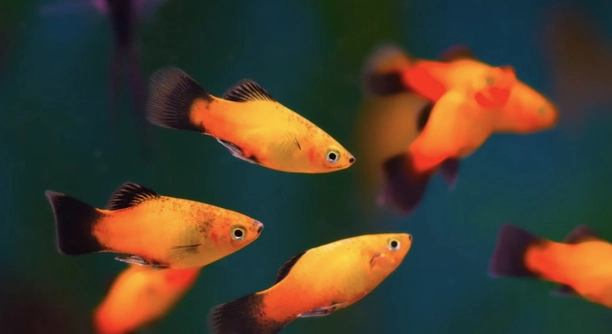
Do you have platies in your aquarium and wonder how they interact with one another? These small, colorful fish are popular for their peaceful nature and easy care. Observing their behavior can be quite interesting for any fish lover.
Platies are able to recognize each other by sight to some extent. Research shows that these fish use visual cues such as color patterns and body shape to distinguish familiar individuals from strangers. This ability helps maintain social groups and reduces aggression among them.
Learning about how platies recognize each other can improve your understanding of their social behavior. This insight may help create a more harmonious environment for your aquarium community.
How Platies Use Sight to Identify Each Other
Platies rely heavily on their vision to recognize other fish in their group. Their eyes can detect differences in color and shape, which helps them tell individuals apart. In an aquarium, this ability is important because it helps maintain peace among the fish. When platies can recognize familiar tank mates, they are less likely to act aggressively. This recognition also helps them form social bonds and establish a natural hierarchy. Over time, platies become familiar with the unique markings of their neighbors, making it easier to identify who belongs in their group. Since platies live in small social groups, being able to recognize each other visually is a key part of their daily interactions. This visual recognition supports their well-being by reducing stress caused by unnecessary fighting or confusion.
Visual cues are a main way platies distinguish one another and maintain social order.
Understanding these recognition skills can help you manage your aquarium better and keep your platies calm and happy.
The Role of Other Senses in Platy Recognition
While sight is very important, platies may also use other senses to recognize each other. Their sense of smell and lateral line system, which detects movement and vibrations in the water, can add extra information. This means platies don’t rely solely on vision but combine different senses for better recognition. Using multiple senses helps them adapt to different lighting or water conditions where sight alone might not be enough. For example, if the water is murky or dark, their sense of smell or feeling water movements may become more important. These combined methods allow platies to stay aware of who is around them even in less ideal environments. This multi-sensory approach to recognition helps platies feel secure and improves their interactions in a shared space. It also means that keeping water clean and clear supports their natural behavior and health.
Visual Signs Platies Pay Attention To
Platies notice color variations and body size when recognizing each other. Bright or unique markings make some fish stand out more. These visual details help them quickly identify familiar tank mates or strangers.
The colors on a platy’s body are not just for beauty; they serve a purpose in communication. Platies with brighter or more distinct patterns are easier to recognize by others. Size also matters—larger fish tend to be more dominant, so others pay attention to their shape and movements. When a platy sees a familiar color pattern or size, it signals who they are dealing with, which helps reduce conflicts. These visual signs work together to create a simple but effective way for platies to know each other in their environment.
Patterns like spots, stripes, and color shades all play a role. Movement and behavior combined with these signs make recognition stronger and more accurate.
Benefits of Recognition Among Platies
Being able to recognize one another helps platies form social groups and reduces fighting. Familiarity leads to less stress and a calmer tank environment.
When platies can tell who belongs in their group, they avoid wasting energy on unnecessary aggression. This recognition supports better social harmony, allowing them to focus on feeding and breeding. A peaceful environment helps keep platies healthy and active. Knowing their neighbors also helps them respond appropriately to new fish introductions, making it easier for you to manage tank dynamics. Overall, recognition improves their quality of life and helps maintain balance within the aquarium.
How Lighting Affects Platy Recognition
Lighting in the tank can change how well platies see each other. Bright light makes colors clearer, while dim light can hide details.
Poor lighting may cause confusion and stress because fish struggle to recognize familiar faces. Proper lighting helps platies feel secure and maintain social bonds.
Social Behavior Linked to Recognition
Recognition shapes how platies behave together. Fish that know each other tend to swim closer and interact more peacefully. When they meet strangers, they may act more cautiously or show mild aggression. This behavior helps protect their space and reduces unnecessary conflicts.
Tips to Support Recognition
Keep the tank clean and well-lit to help platies see each other clearly. Avoid overcrowding, as too many fish make recognition harder.
FAQ
Can platies recognize their owners by sight?
Platies mostly recognize other fish rather than humans. Their vision is tuned to spot color patterns and shapes in their environment, mostly focusing on tank mates. While they may notice movement and presence outside the tank, recognizing a specific person visually is unlikely. They rely more on routine and other cues, like feeding time, to connect with owners.
How long does it take for platies to recognize each other?
Platies can begin to recognize familiar tank mates within a few days to a week. This depends on how often they interact and the tank environment. Consistent groupings and stable social settings help speed up this recognition process. Changes in tank mates or overcrowding can slow it down.
Do platies recognize family members or just familiar fish?
Platies do not have a strong sense of “family” like mammals do. Instead, they recognize fish they often see, regardless of relation. Familiarity is based on visual and social experience rather than genetic ties. This means platies may get along well with unrelated fish they know well.
Does platy recognition affect breeding behavior?
Yes, recognizing familiar individuals helps reduce aggression during breeding. When platies recognize each other, they are less likely to fight and more likely to focus on spawning. This recognition helps maintain a peaceful environment needed for successful breeding.
What happens if platies can’t recognize each other?
If platies cannot recognize each other, they may show increased aggression or stress. This can lead to fighting, injuries, or hiding. Poor recognition often happens in overcrowded tanks or when fish are frequently moved between tanks. Maintaining a stable environment helps avoid these problems.
Can lighting changes confuse platy recognition?
Yes, sudden or poor lighting can make it harder for platies to see familiar patterns. This confusion can increase stress or aggression. Gradual changes in lighting and a well-lit tank help fish maintain their recognition abilities.
Are platies more likely to recognize fish of the same species?
Platies mainly recognize other platies due to shared colors and shapes. They can notice differences between species but focus on their own kind for social interactions. Recognition within their species supports grouping and reduces conflict.
Do platies use other senses besides sight for recognition?
Yes, platies also use their sense of smell and detect water movements through their lateral line. These senses help when visibility is low or water conditions change. Combining sight with these other senses improves their ability to identify tank mates.
Can stress affect a platy’s ability to recognize others?
Stress can impact how well platies recognize each other. When stressed, fish may become less attentive to visual cues or act more aggressively. Providing a calm, clean environment supports better recognition and social behavior.
How can I help my platies recognize each other better?
Keeping the tank clean, avoiding overcrowding, and providing stable lighting improves recognition. Introducing new fish slowly and maintaining consistent groups also helps platies get used to each other without stress. These steps create a peaceful tank environment where recognition can thrive.
Final Thoughts
Platies have a simple but effective way of recognizing each other mainly through sight. They notice colors, patterns, and shapes, which helps them tell who belongs in their group. This ability is important because it reduces fights and stress among the fish. When platies can recognize familiar tank mates, they feel safer and behave more peacefully. This makes the aquarium a better place for everyone. It also means that as an owner, you can help by keeping the environment calm and stable.
Lighting and water quality play a big role in how well platies can see each other. Good lighting brings out their colors and makes it easier for them to spot differences. On the other hand, poor or sudden changes in lighting can confuse them and lead to tension. Keeping the water clean and clear also helps because dirty or murky water makes it hard for fish to use their vision. Besides sight, platies use their other senses too, like smell and sensing movement in the water. These extra senses help them recognize tank mates when visibility isn’t perfect.
Creating a healthy space where platies can recognize each other well improves their overall well-being. When fish feel secure and less stressed, they eat better, swim more actively, and breed more successfully. Avoid overcrowding and sudden changes in the tank, as these can cause confusion and aggression. Slow introductions of new fish give everyone time to adjust and learn who belongs. With a little care, your platies can live together happily, using their natural ability to recognize each other to keep the peace.

Hello,
If you enjoy the content that we create, please consider saying a "Thank You!" by leaving a tip.
Every little bit helps us continue crafting quality advice that supports the health, happiness, and well-being of pets around the world, for pets of all shapes, sizes, and species.
We really appreciate the kindness and support that you show us!