
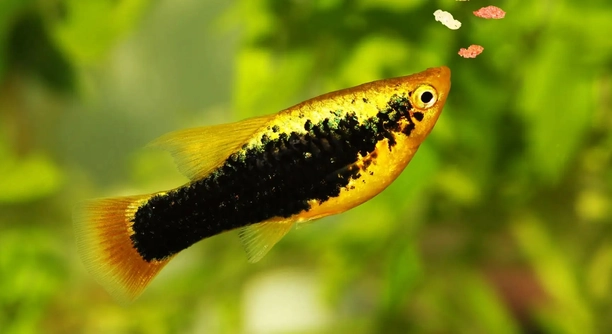
Platies are small, colorful fish popular in home aquariums. Many fish owners notice their pets’ behavior changes around feeding time. These changes often seem predictable and may signal the fish expect to be fed soon.
Platies exhibit consistent behaviors before feeding, such as increased activity and swimming near the surface. These actions suggest they respond to routine cues but do not have a conscious ability to predict feeding times. Their behavior is driven by conditioning rather than true anticipation.
Understanding platies’ feeding behaviors can improve care routines and aquarium management. Observing their signals offers insight into how fish interact with their environment and daily schedules.
How Platies Learn Feeding Times
Platies quickly learn to recognize the signs that indicate feeding time is near. They often respond to routine activities, such as the sound of a food container opening or movement near the tank. These fish tend to swim actively around the area where food is usually given. Over time, they associate these signals with feeding and adjust their behavior accordingly. This learned response helps them conserve energy by becoming more alert only when food is likely to be available. Their behavior reflects conditioning from repeated patterns rather than an understanding of time. In short, platies adapt to their environment by linking certain cues to food delivery.
This learning process is natural and common in many fish species kept in aquariums. Conditioning helps platies survive and thrive in a captive environment.
Observing how platies react to feeding cues can help owners create consistent schedules. This consistency promotes healthier, less stressed fish and enhances the aquarium experience.
Signs Platies Show Before Feeding
Platies display several clear signs that feeding time is approaching. They become more active, often swimming near the tank surface where food is usually offered. Some may swim in quick bursts or gather around specific spots in the aquarium. These behaviors signal their awareness of an upcoming meal and their readiness to eat. Recognizing these signs helps owners understand their fish better and respond appropriately.
Regular feeding times and environmental cues trigger these behaviors. Over time, platies rely on these signals to anticipate food, demonstrating a form of learned behavior rather than true prediction. Consistent routines make these signs easier to notice and interpret.
Feeding Time Cues for Platies
Platies respond to several common cues that signal feeding time. These include tank sounds, movement near the aquarium, and light changes. These cues trigger their alertness and swimming behavior near the food area.
These fish quickly learn to associate specific actions with feeding. For example, the sound of the food container or the sight of a hand approaching the tank often excites them. Over time, platies become conditioned to expect food at these moments. This conditioning helps reduce their energy use by focusing activity when food is most likely. However, if the routine changes, they may become confused or less responsive until they adapt again.
Environmental factors like lighting also play a role. Platies often become more active during daylight or when tank lights turn on. This natural rhythm combined with feeding routines helps them anticipate meals even without direct signals.
Consistency Benefits for Platies
Maintaining a consistent feeding schedule is important for platies’ health and wellbeing. Regular timing helps reduce stress and keeps their metabolism steady.
Consistency creates a stable environment where platies feel secure. When feeding times vary widely, fish can become anxious or less responsive to cues. Regular schedules also make it easier for owners to spot changes in behavior or health. Over time, this routine supports better digestion and growth. A predictable feeding pattern encourages platies to eat properly and maintain energy levels, which is essential in a controlled aquarium setting.
Factors Affecting Platies’ Behavior
Platies’ behavior before feeding can be influenced by tank size and the number of fish. A crowded tank may cause more competition and excitement around feeding times.
Water quality and temperature also impact how active platies are. Healthy conditions encourage normal feeding behavior, while poor conditions can cause stress and reduce activity.
Training Platies to Recognize Feeding Times
It is possible to train platies to respond to specific cues. Using the same signals—like tapping the tank or shaking the food container—can help them associate those actions with feeding. Repeating these signals consistently builds strong habits in the fish. Over time, platies will react quickly to these cues, showing increased movement and anticipation.
Signs of Stress in Platies
FAQ
Can platies really tell when it’s feeding time?
Platies do not tell time like humans, but they learn to recognize specific signals linked to feeding. These signals include sounds, movements near the tank, and changes in lighting. Over repeated feedings, platies develop a conditioned response, showing more activity when these cues occur. This behavior is a result of habit and routine rather than conscious timekeeping.
Why do my platies swim to the surface before feeding?
Swimming near the surface before feeding is common because most fish food is given on or near the water’s surface. Platies learn to associate this area with food, so they gather there in anticipation. This behavior reflects their learned routine and alertness to upcoming meals.
What are common signs that platies expect food?
Signs include increased swimming activity, especially near the food area, quick darting movements, and gathering around the tank’s surface. Some platies may even follow your hand or the food container as a conditioned response. These behaviors show that the fish have learned to link environmental cues with feeding.
How can I train my platies to respond better to feeding cues?
Use the same cues consistently, such as tapping the tank or shaking the food container before feeding. Repeat these signals regularly so platies associate them with food. Consistent timing and routine help reinforce this behavior. Avoid sudden changes to keep the conditioning strong.
What happens if feeding times are irregular?
Irregular feeding can confuse platies and increase stress. They rely on routine to regulate their activity and metabolism. Without consistency, platies may become anxious or less responsive, which can affect their overall health. Keeping a steady feeding schedule supports their wellbeing.
Can platies predict feeding time without human signals?
Platies mostly rely on external cues rather than an internal clock. However, natural factors like daylight and tank environment may influence their daily activity patterns. These natural rhythms can help fish anticipate feeding, but they still need consistent external signals to respond properly.
Does tank environment affect feeding behavior?
Yes, factors like tank size, water quality, and temperature impact platies’ behavior. A clean, stable environment encourages normal activity, while poor conditions can cause stress and reduce feeding responses. Proper care ensures platies stay active and ready for feeding.
Are platies stressed if they don’t get fed on time?
Platies can show signs of stress if feeding is missed or delayed often. They may become less active, hide more, or show aggressive behavior when food finally arrives. Maintaining a regular feeding schedule helps prevent this stress and promotes healthier fish.
How much should I feed my platies?
Feed small amounts that they can consume within 2-3 minutes, once or twice a day. Overfeeding can pollute the tank and harm fish health. Watching how quickly they eat helps determine the right portion size to keep them healthy and active.
What types of food do platies prefer?
Platies enjoy a varied diet including flakes, pellets, and occasional live or frozen foods like brine shrimp or daphnia. A balanced diet supports their growth and vibrant colors. Variety also keeps them interested and promotes good nutrition.
Can platies remember feeding routines long-term?
Platies have good memory for routines, especially when feeding times and cues remain consistent. They can remember and react to these signals for weeks or months, showing strong learned behavior. This memory helps them adapt well to aquarium life.
Is it harmful to change feeding times suddenly?
Sudden changes can cause confusion and stress in platies. They may not respond well and become less active or refuse food briefly. Gradual changes in schedule are better, giving fish time to adjust without upsetting their routine.
Platies are small fish that can learn to recognize feeding times through repeated signals. They do not understand time the way humans do, but they respond to cues like sounds, movements near the tank, and changes in lighting. Over time, they connect these signals with food and become more active when feeding is about to happen. This shows that platies rely on conditioning and habits rather than true prediction. Observing their behavior can help owners understand when the fish expect to be fed, making care more effective.
Keeping a consistent feeding schedule is very important for platies. Regular times help reduce stress and keep their bodies working properly. When feeding times change a lot, platies may become anxious or confused. This can lead to less activity and even health problems. By feeding them at the same times each day and using the same signals, owners can help platies stay calm and healthy. The fish learn to trust their routine, which makes the aquarium a better place for them to live.
Taking good care of platies means paying attention to their behavior and environment. A clean tank, proper temperature, and good water quality all support healthy feeding habits. Watching for signs of stress or changes in activity can alert owners to problems before they get serious. Training platies with consistent cues not only makes feeding easier but also helps the fish feel more secure. With patience and attention, platies will show their natural behaviors and enjoy their meals without stress.

Hello,
If you enjoy the content that we create, please consider saying a "Thank You!" by leaving a tip.
Every little bit helps us continue crafting quality advice that supports the health, happiness, and well-being of pets around the world, for pets of all shapes, sizes, and species.
We really appreciate the kindness and support that you show us!