
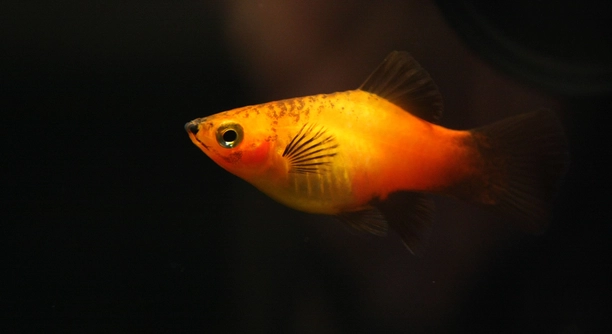
Platies are popular freshwater fish known for their vibrant colors and easy care. Many owners enjoy watching them swim and feeding them a variety of foods. Sometimes, however, these fish may show less interest in eating for short periods.
Platies can temporarily lose interest in food due to changes in water temperature, stress, illness, or adjustments to their environment. These factors affect their metabolism and appetite, but with proper care, their feeding behavior usually returns to normal.
Understanding why platies might stop eating briefly can help maintain their health and happiness. This article explains common causes and offers tips to support your fish during these times.
Reasons Why Platies Lose Interest in Food Temporarily
Platies may lose interest in food for several reasons. Water temperature changes are one of the most common causes. If the water becomes too cold or too warm, their metabolism slows down or speeds up, affecting appetite. Stress also plays a big role. Moving to a new tank, loud noises, or aggressive tank mates can cause platies to stop eating for a while. Illness is another factor. If a fish feels unwell due to parasites or infections, it may refuse food. Sometimes, platies simply need time to adjust to new food types or feeding schedules. Overfeeding can also lead to disinterest, as fish may feel full or uncomfortable. Monitoring water quality is important because poor conditions can reduce appetite. By keeping a stable environment and observing behavior closely, temporary food refusal can be managed effectively.
Maintaining proper water temperature and minimizing stress often helps platies regain their appetite quickly.
Being aware of these reasons allows you to identify issues early. Watching your platies carefully helps ensure they return to normal feeding habits without delay. Adjustments in tank care and feeding can improve their overall well-being, making temporary loss of appetite less concerning.
How to Encourage Your Platy to Eat Again
Start by checking the water conditions. Clean water with stable temperature and proper pH supports a healthy appetite.
Offering a variety of high-quality foods can stimulate interest. Try mixing flakes, pellets, and live or frozen options like brine shrimp or daphnia. Feed small amounts several times a day to avoid overfeeding. Reducing stress by providing hiding spots and a calm environment helps fish feel secure. Avoid sudden changes in tank setup or feeding routines. Patience is important; platies may need days to adjust. If appetite loss continues beyond a week, consulting a veterinarian experienced with fish can help diagnose underlying health problems. Taking these steps improves the chances your platy will start eating normally again, promoting its health and longevity in your care.
Common Signs of Appetite Loss in Platies
Loss of appetite in platies often shows as refusing food or ignoring feeding times. They may swim away when food is offered or show less activity than usual.
Other signs include lethargy, hiding more frequently, or unusual swimming patterns. Sometimes, platies may lose weight or appear thinner over time. Watch for faded colors, which can indicate stress or illness. These signs often occur together, helping to identify appetite issues early. Early detection allows for quicker intervention and better chances of recovery. Observing your fish daily helps you catch changes before they worsen, improving their care and health outcomes.
Noticing these signs helps ensure timely adjustments in care or treatment, supporting your platy’s return to healthy eating habits.
Impact of Environment on Platy Feeding Behavior
A stable environment is essential for platies’ appetite. Sudden changes in water temperature or quality can cause stress, leading to temporary food refusal. Poor water conditions, such as high ammonia or nitrate levels, negatively affect their health and reduce appetite. Keeping the tank clean with regular water changes supports consistent feeding behavior. Tank decorations and plants provide hiding spots, making fish feel secure and less stressed. Overcrowding can also cause stress, so maintaining appropriate tank size and population helps feeding patterns stay normal. Proper lighting that mimics natural day-night cycles encourages regular activity and feeding. By creating a calm and stable environment, platies are more likely to eat regularly and stay healthy.
Stress Factors Affecting Platy Appetite
Stress can quickly cause platies to lose interest in food. Loud noises, frequent tank disturbances, or aggressive tank mates all contribute to stress.
Changes in lighting or sudden movements near the tank also unsettle them. Reducing these stressors helps restore their appetite faster.
Adjusting Feeding Schedules for Better Results
Feeding platies smaller portions more frequently throughout the day mimics their natural eating habits. Avoid overfeeding, which can cause bloating and reduce appetite. Try feeding two to three times daily with amounts they can finish in a few minutes. Adjusting the schedule gently over time allows platies to adapt without stress or confusion. This approach supports healthy digestion and encourages consistent eating patterns, improving overall health.
Nutritional Needs of Platies
Providing a balanced diet rich in protein, vitamins, and minerals supports platies’ growth and energy. High-quality commercial flakes or pellets designed for tropical fish offer essential nutrients. Supplementing with live or frozen foods, such as bloodworms or brine shrimp, adds variety and boosts appetite. Proper nutrition strengthens their immune system, helping them recover from stress or illness more quickly.
When to Seek Veterinary Advice
If your platy refuses food for more than two weeks or shows other signs of illness, consulting a vet is important. Early diagnosis can prevent serious health issues.
FAQ
Can platies lose interest in food for no reason?
Platies usually show a loss of appetite due to some underlying cause. While it may seem sudden, most cases are linked to environmental changes, stress, or health problems. Rarely, minor mood shifts can cause temporary disinterest, but this should not last long. Monitoring their tank and behavior helps identify the cause quickly.
How long can platies go without eating?
Healthy adult platies can survive without food for up to one week, but it is not ideal. Prolonged fasting weakens their immune system and makes them more vulnerable to disease. If a platy stops eating for more than three days, it’s important to check water quality and look for signs of illness.
What are the best foods to encourage a picky platy to eat?
Offering a variety of foods can help stimulate appetite. High-quality flakes or pellets are a good base, but live or frozen foods like brine shrimp, bloodworms, or daphnia can be more enticing. Occasionally adding fresh vegetables, such as blanched zucchini or spinach, provides nutrients and interest.
Can stress cause platies to stop eating?
Yes, stress is a major factor in appetite loss. Stress can come from overcrowding, aggressive tank mates, sudden changes in water conditions, or loud noises around the tank. Minimizing these stressors and providing hiding places encourages platies to feel secure and eat normally.
Is water temperature linked to feeding behavior in platies?
Water temperature directly affects metabolism. If the tank is too cold, platies may become lethargic and eat less. If too warm, they might become more active but stressed, which can also reduce feeding. Maintaining a stable temperature between 72°F and 78°F is best for consistent appetite.
How can I tell if my platy is sick or just uninterested in food?
Sick platies often show additional signs such as clamped fins, faded colors, unusual swimming patterns, or spots on their body. If your platy refuses food but remains active and shows normal coloring, it might just be temporarily uninterested. However, if symptoms persist, health issues should be considered.
Should I change my feeding routine if my platy stops eating?
Adjusting the feeding schedule can help. Feeding smaller amounts more frequently prevents overfeeding and keeps platies interested. Avoid feeding once a day large portions, as leftover food can pollute the water and discourage eating.
Can poor water quality cause loss of appetite in platies?
Yes, poor water quality is a common reason for appetite loss. High ammonia, nitrite, or nitrate levels irritate fish and can cause stress or illness. Regular water testing and maintenance, such as partial water changes, are crucial to keep your platies healthy and eating well.
Is it normal for platies to skip meals occasionally?
Occasional missed meals are not unusual, especially during minor stress or environmental changes. However, if skipping becomes frequent or lasts more than a day or two, it signals a potential problem needing attention.
How important is tank size for platy appetite?
A cramped tank increases stress and reduces appetite. Providing enough space and proper filtration ensures a healthy environment where platies feel comfortable. A minimum of 10 gallons per small group is recommended to reduce competition and stress.
Can platies regain appetite after illness?
With proper care, platies usually regain appetite after recovering from illness. Treating the underlying cause and maintaining good tank conditions helps restore normal feeding behavior. Patience is key, as recovery can take several days to weeks depending on the illness.
What are signs that a platy needs immediate medical attention?
If your platy refuses food for more than two weeks, becomes lethargic, loses color, or develops visible sores or swelling, immediate veterinary advice is recommended. Early treatment improves outcomes and prevents serious health problems.
Can changing the type of food help a platy start eating again?
Sometimes platies become bored or uninterested in their current diet. Introducing different food types, especially live or frozen varieties, can stimulate appetite. Gradual changes avoid digestive upset and encourage a more varied diet.
Does lighting affect platy feeding habits?
Proper lighting mimics natural day and night cycles, helping regulate feeding behavior. Too much or too little light can stress platies, reducing their interest in food. Aim for about 10-12 hours of light daily with a consistent schedule.
Are there natural remedies to improve a platy’s appetite?
Some aquarists use garlic extract or commercial appetite stimulants added to food to encourage eating. These can help temporarily but should not replace proper care and water maintenance. Always use such supplements carefully and follow guidelines.
Platies are generally easy to care for fish, but they can sometimes lose interest in food temporarily. This is a normal behavior that can happen for various reasons, such as changes in their environment, water conditions, or health. It is important to understand that a temporary loss of appetite does not always mean something is seriously wrong. Many times, platies just need a little time to adjust or recover. Watching their behavior closely and maintaining good tank conditions helps to ensure they return to eating normally.
Keeping the water temperature stable and clean plays a key role in encouraging platies to eat. Sudden changes in temperature or poor water quality can stress the fish and cause them to stop eating for a while. Stress from overcrowding, aggressive tank mates, or loud noises can also affect their appetite. Providing a calm, stable environment with enough space and hiding places helps platies feel secure. Offering a variety of quality foods in smaller portions several times a day can also make feeding more appealing and encourage healthy eating habits.
If a platy continues to refuse food for an extended period or shows signs of illness, it is important to take action. Consulting a veterinarian experienced with fish can help identify any health issues early on. Adjusting the feeding routine and improving tank care often lead to positive results. Being patient and observant while making these changes supports the platy’s health and well-being. Understanding these factors helps owners provide the best care for their fish and ensures their platies stay happy and healthy in the long term.

Hello,
If you enjoy the content that we create, please consider saying a "Thank You!" by leaving a tip.
Every little bit helps us continue crafting quality advice that supports the health, happiness, and well-being of pets around the world, for pets of all shapes, sizes, and species.
We really appreciate the kindness and support that you show us!