
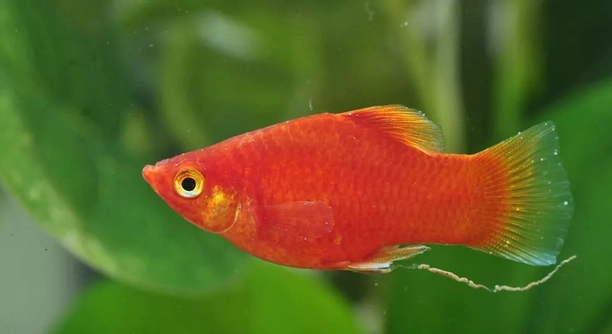
Platies are popular freshwater fish often kept in home aquariums. Many fish enthusiasts wonder if these small, colorful fish can thrive in rainwater tanks. Understanding their needs helps ensure a healthy environment for platies outside traditional tanks.
Platies can live in rainwater tanks if conditions such as water quality, temperature, and pH levels are carefully managed. Rainwater alone lacks essential minerals, so supplementation and regular monitoring are necessary to maintain their health and growth.
Proper care and knowledge about water conditions make all the difference for platies living in rainwater tanks. The following details will help you create a suitable habitat for these fish.
Understanding Rainwater Tank Conditions
Rainwater tanks collect water naturally, but the water inside often lacks minerals essential for fish health. This can affect platies, which need certain minerals like calcium and magnesium to thrive. Without these, their bones and scales may weaken. Additionally, rainwater tends to be slightly acidic, while platies prefer neutral to slightly alkaline water. It is important to test the water regularly for pH levels and hardness. Temperature is another factor; platies thrive best between 22 and 28 degrees Celsius. If the water gets too cold or hot, it can stress the fish and make them more prone to illness. Proper aeration and filtration are also necessary to maintain oxygen levels and cleanliness. Using supplements and natural minerals can help balance the water’s chemistry. Regular water changes, combined with testing and adjustments, will provide a safer environment for platies in rainwater tanks.
Proper water testing kits and supplements can improve rainwater tank conditions for platies. Monitoring these regularly ensures fish well-being.
Maintaining the right conditions in a rainwater tank requires consistent effort. Testing kits are affordable and easy to use at home. Adding aquarium salts or mineral supplements can quickly restore missing elements. Avoid using tap water directly unless it is properly treated, as chemicals like chlorine can harm fish. You can introduce small amounts of crushed coral or limestone to help buffer the pH and add hardness. Filtration systems keep waste and debris from building up, which is essential in a closed tank. Aeration helps maintain oxygen, especially in warmer weather. If you keep the tank in a shaded area, this can help prevent extreme temperature fluctuations. With regular maintenance, platies can live comfortably and reproduce in rainwater tanks, making them a viable option for keeping these fish outside traditional aquariums.
Feeding Platies in Rainwater Tanks
Feeding platies the right diet in rainwater tanks is vital. Their diet affects their health, coloration, and breeding ability.
Platies are omnivores that eat both plant and animal matter. In rainwater tanks, it is important to provide a varied diet that includes high-quality flakes, frozen or live foods such as brine shrimp, and some vegetable matter like blanched spinach or zucchini. Overfeeding should be avoided to maintain water quality. Uneaten food can decompose and pollute the tank. Feeding small amounts two to three times daily works best. Supplements like spirulina can enhance their immune system and coloration. Observing your fish during feeding helps ensure all individuals get enough food and remain healthy. Proper nutrition supports their ability to cope with the unique conditions of rainwater tanks, promoting long-term survival and breeding success.
Managing Water Quality in Rainwater Tanks
Maintaining clean water is essential for platies’ health in rainwater tanks. Without proper care, water can become toxic quickly.
Regular water changes help keep ammonia, nitrites, and nitrates at safe levels. Installing a good filtration system removes waste and prevents harmful buildup. Testing water weekly with kits for pH, hardness, and toxins is necessary. Balancing these factors ensures a stable environment. Avoid overcrowding the tank, as too many fish produce excess waste. Aeration devices improve oxygen circulation, which supports fish metabolism and reduces stress. In warm weather, increased water temperature may speed up bacterial growth, so more frequent cleaning is needed.
Adding live plants can help absorb excess nutrients and improve water quality naturally. Plants also provide shelter and reduce stress for platies. Choosing hardy species like Java fern or Anubias is ideal. Keep the tank away from direct sunlight to prevent algae blooms. Regularly remove debris and uneaten food to maintain cleanliness. These steps create a healthier habitat for platies in rainwater tanks and contribute to their overall well-being.
Temperature Control for Platies
Stable water temperature is critical for platies’ survival in rainwater tanks. Sudden changes cause stress and illness.
Platies thrive in temperatures between 22 and 28 degrees Celsius. Using a reliable aquarium heater with a thermostat helps maintain this range, especially in cooler climates. Avoid placing the tank near heat sources or drafts, which cause fluctuations. During hot weather, use shading or cooling devices to prevent overheating. Consistent temperature reduces stress and supports immune function. Monitor temperature daily with a thermometer to detect any changes early. Small fluctuations can be tolerated but rapid swings are harmful.
If the tank is outdoors, consider insulating it to reduce temperature variation. In colder seasons, a heater is necessary to prevent chilling. Overheating can be controlled by increasing water circulation and shading. Maintaining stable temperature supports platies’ metabolism, breeding, and longevity in rainwater tanks, making it easier to care for them.
Preventing Algae Growth
Algae can quickly take over rainwater tanks if not managed properly. It affects water quality and fish health.
Controlling light exposure by shading the tank limits algae growth. Removing excess nutrients through regular water changes also helps reduce algae buildup.
Suitable Tank Mates for Platies
Choosing compatible tank mates for platies in rainwater tanks is important to prevent stress and aggression. Peaceful species like guppies, mollies, and snails work well. Avoid aggressive or large fish that may harm or outcompete platies for food and space.
Monitoring pH Levels
Maintaining a stable pH between 7.0 and 8.2 supports platies’ health in rainwater tanks. Regular testing and adjustments prevent harmful fluctuations that can stress or injure the fish.
Signs of Stress in Platies
Stress in platies may show as lethargy, loss of appetite, or unusual swimming behavior. Early detection is key to addressing issues and improving their environment.
Can platies survive in untreated rainwater?
Platies generally do not survive well in untreated rainwater alone. Rainwater lacks essential minerals like calcium and magnesium, which are vital for their bone strength and overall health. It also tends to be slightly acidic, which can stress the fish. To keep platies in rainwater tanks, the water must be supplemented with minerals and buffered to maintain a stable pH. Without these adjustments, the fish may develop health problems or fail to thrive.
How often should I change the water in a rainwater tank with platies?
Water changes should be done regularly to maintain good water quality. Typically, changing 20-30% of the water every week is recommended. This helps remove toxins like ammonia and nitrates that build up from fish waste and uneaten food. More frequent changes may be needed if the tank is heavily stocked or if water tests show poor quality. Always use treated or supplemented water when refilling to avoid harming the platies.
What is the ideal pH level for platies in rainwater tanks?
The ideal pH level for platies ranges from 7.0 to 8.2. Rainwater often has a lower pH, which can be too acidic for platies. Regular testing with a pH kit is essential. If the pH is too low, adding buffering agents such as crushed coral or commercial pH stabilizers can help raise and maintain a healthy level. Stable pH reduces stress and supports overall fish health.
Can I keep other fish with platies in a rainwater tank?
Yes, but choose compatible species carefully. Peaceful fish like guppies, mollies, or small tetras usually do well with platies. Avoid aggressive or large fish that may bully or eat them. Snails and shrimp can also be good tank mates, as they help clean the tank and don’t compete aggressively for food. Always monitor the tank closely when introducing new species.
How do I prevent algae from growing too much in a rainwater tank?
Algae thrive on light and nutrients. Limiting direct sunlight by shading the tank helps control growth. Regular water changes reduce excess nutrients that feed algae. Adding live plants also competes with algae for nutrients and can keep it in check. Removing algae manually during tank cleaning prevents overgrowth and maintains a healthier environment for platies.
What should I feed platies in a rainwater tank?
Platies eat a varied diet of both plant and animal matter. High-quality flake foods designed for tropical fish are suitable. Supplement with frozen or live foods like brine shrimp or daphnia for protein. Blanched vegetables such as spinach or zucchini provide necessary fiber and nutrients. Feed small amounts two to three times daily, avoiding overfeeding to maintain water quality.
How important is temperature control for platies in rainwater tanks?
Temperature control is very important. Platies thrive between 22 and 28 degrees Celsius. Temperatures outside this range cause stress and can lead to disease or death. Use a heater with a thermostat in colder climates and shade or cooling measures in hot weather. Monitor the water temperature daily to ensure stability and adjust as needed.
What are common signs of stress in platies?
Signs include lethargy, loss of appetite, erratic swimming, hiding, or faded coloration. Stressed fish may also scrape against tank surfaces or gasp at the water surface. These behaviors indicate water quality issues, improper temperature, or poor nutrition. Identifying stress early allows for quick corrective action to improve their environment.
Can platies breed in rainwater tanks?
Yes, platies can breed successfully in rainwater tanks if conditions are suitable. Stable water quality, proper temperature, and good nutrition support breeding. Providing plenty of hiding spots helps protect fry from adult fish. Regular monitoring ensures the young develop well. Breeding in these tanks requires attentive care but is achievable.
Is filtration necessary in rainwater tanks with platies?
Filtration is necessary to keep water clean and free from harmful substances. Filters remove fish waste, uneaten food, and other debris. Without filtration, toxins accumulate quickly, causing illness. Choose a filter appropriate for the tank size and water volume. Regular filter maintenance is also essential to ensure it functions effectively and supports fish health.
Platies can live in rainwater tanks, but their health depends on careful management of the water conditions. Rainwater alone is not enough to support them because it lacks important minerals and may have an unsuitable pH. Adding minerals and keeping the pH stable is essential. Regular water testing helps ensure the tank remains a safe environment. Temperature control is also important, as platies need consistent warmth to stay healthy. If these factors are properly managed, rainwater tanks can be a good alternative habitat for platies outside of traditional aquariums.
Maintaining water quality in a rainwater tank requires regular effort. Filtration and aeration systems help keep the water clean and oxygen-rich. Removing uneaten food and doing frequent partial water changes prevent harmful buildup of waste. Algae growth can be controlled by limiting sunlight and adding live plants, which improve the environment naturally. Feeding platies a balanced diet with flakes, live or frozen foods, and some vegetables supports their health and coloration. Monitoring for signs of stress or illness allows early intervention before problems worsen.
Overall, keeping platies in rainwater tanks is possible but demands attention to detail. Ensuring stable water parameters, proper nutrition, and good tank maintenance helps these fish thrive. While it may require more effort than a traditional aquarium setup, the rewards include healthy, active fish in a unique living space. With patience and care, rainwater tanks can become a suitable and enjoyable habitat for platies.

Hello,
If you enjoy the content that we create, please consider saying a "Thank You!" by leaving a tip.
Every little bit helps us continue crafting quality advice that supports the health, happiness, and well-being of pets around the world, for pets of all shapes, sizes, and species.
We really appreciate the kindness and support that you show us!