
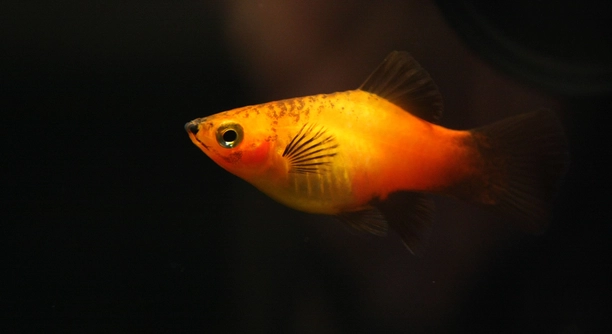
Platies are popular freshwater fish known for their bright colors and peaceful nature. Many aquarium owners enjoy keeping them with other small creatures, such as shrimp. Understanding how these animals interact is important for a healthy tank environment.
Platies can generally coexist peacefully with shrimp, as they are not aggressive towards them. However, smaller shrimp species may be at risk of being eaten by platies, especially if the shrimp are very young or small. Proper tank setup helps reduce this risk.
Learning how platies and shrimp share space can help you create a balanced and peaceful aquarium community.
Behavior of Platies Around Shrimp
Platies are peaceful fish that mostly ignore their tank mates, including shrimp. They swim calmly and spend time near plants or decorations. Sometimes, they may show curiosity toward shrimp but rarely chase them aggressively. However, if shrimp are tiny babies, platies might see them as food, especially when hungry or if the tank is overcrowded. Providing plenty of hiding spots with plants or rocks helps shrimp stay safe. Platies also benefit from a well-balanced diet, which reduces their interest in shrimp as a food source. Observing their behavior early can prevent problems, as changes in fish activity often signal stress or hunger. In a spacious tank, platies and shrimp usually share space without conflict, making them a good combination for community aquariums.
Shrimp need cover to feel secure, which keeps their interaction with platies calm. Dense plants or caves work well.
Understanding how platies behave around shrimp is key to maintaining peace. Creating a safe environment helps both species thrive without fear or stress.
Tank Setup for Platies and Shrimp
A proper tank setup is crucial when keeping platies and shrimp together. The tank should have plenty of plants, such as Java moss or ferns, which give shrimp places to hide. A tank size of at least 10 gallons is recommended to avoid crowding, which can cause stress and increase aggression. Substrate choice also matters; fine gravel or sand helps shrimp forage easily. Water parameters need to suit both species—platies prefer slightly alkaline water around pH 7.0 to 8.0, which is also good for most shrimp species. Regular water changes and filtration keep the tank clean and stable. Avoid adding large or aggressive fish that might harm shrimp or stress the platies. A well-planned environment encourages peaceful coexistence and healthier aquatic life.
Good water quality and hiding spaces reduce the chance of shrimp being harmed by platies.
By focusing on these tank conditions, you create a balanced habitat where platies and shrimp can live comfortably side by side. This setup minimizes risks and encourages natural behavior in both species.
Feeding Platies and Shrimp Together
Feeding platies and shrimp in the same tank requires care to meet both their needs. Platies eat flakes and pellets, while shrimp prefer algae, biofilm, and specialized foods. Offering a variety of food keeps everyone healthy.
Shrimp often graze on algae and leftover food, helping keep the tank clean. However, platies can outcompete shrimp at feeding time if food is scarce. To avoid this, scatter food in different areas of the tank or feed at separate times. Using sinking pellets helps shrimp reach food more easily. It’s important to feed small amounts multiple times a day rather than one big meal to prevent leftover food from polluting the water. A balanced diet supports the health of both platies and shrimp and reduces aggression caused by hunger.
Observing feeding behavior helps adjust how much and what type of food you give. This ensures shrimp get enough to eat without platies dominating the meal. Regularly providing algae wafers or shrimp-specific foods can improve shrimp survival in a community tank.
Shrimp Safety Tips with Platies
Shrimp safety is mostly about providing hiding spaces and keeping the tank well-maintained. Dense plants, moss, and decorations create shelter for shrimp, making them less visible to platies. A clean tank also reduces stress.
Shrimp molt regularly and become vulnerable during this time, so extra care is needed to prevent platies from preying on them. Adding more hiding places, like small caves or leaf litter, offers protection during molting. Avoid sudden changes in water conditions, as stress can weaken shrimp. Monitoring platies’ behavior is important; aggressive or overly curious fish may need to be separated. Keeping shrimp in larger groups also provides safety in numbers, as it lowers the chance of any single shrimp being targeted. With the right environment and care, shrimp can live safely alongside platies for a long time.
Compatible Shrimp Species with Platies
Not all shrimp species do equally well with platies. Larger or faster shrimp tend to coexist better. Species like Amano shrimp and Ghost shrimp usually manage well in platy tanks.
Smaller shrimp, like Cherry shrimp babies, are more vulnerable. Choosing the right species is important to keep harmony in the tank.
Signs of Stress in Shrimp
Shrimp showing stress may hide excessively, lose color, or stop eating. Molting problems or death can also occur. These signs mean the tank environment or tank mates need adjustment.
Observing shrimp behavior regularly helps catch stress early and maintain a healthy tank.
Preventing Shrimp Loss in Mixed Tanks
Feeding enough and providing hiding places reduces shrimp loss. Keep water quality high and avoid overcrowding. Separating shrimp during molting can also protect them from platies.
Small changes in tank care can greatly improve shrimp survival.
FAQ
Can platies eat shrimp?
Yes, platies can eat shrimp, especially small or baby shrimp. While adult shrimp are usually too large or quick to catch, tiny shrimp are at risk if the platies are hungry or if there’s limited food in the tank. Providing enough food and hiding places helps reduce this risk.
How can I protect shrimp from platies?
Create plenty of hiding spots using plants, rocks, or decorations. Dense foliage and moss are perfect shelters. Feeding platies well and avoiding overcrowding also keeps them less interested in hunting shrimp. A larger tank with enough space gives shrimp places to escape.
What shrimp species are best for tanks with platies?
Amano shrimp and Ghost shrimp are better choices because they grow bigger and move faster. Cherry shrimp and other small species are more vulnerable, especially when young. Choosing hardy shrimp helps create a peaceful community tank.
How often should I feed platies and shrimp?
It’s best to feed small amounts multiple times a day. This reduces leftover food and helps shrimp get enough to eat. Using sinking pellets or shrimp-specific food ensures shrimp can reach their meals without competition from platies.
What water conditions are ideal for platies and shrimp?
Both prefer clean, stable water with a temperature between 72°F and 78°F. A pH around 7.0 to 8.0 suits them well. Regular water changes and good filtration keep the tank healthy for both species. Avoid sudden changes to prevent stress.
Can platies and shrimp breed in the same tank?
Platies breed easily in community tanks, but shrimp breeding is trickier. Some shrimp, like Cherry shrimp, breed well if conditions are right. However, platies might eat shrimp babies, so extra hiding places are necessary for young shrimp to survive.
What signs show shrimp are stressed in a tank with platies?
Shrimp that hide constantly, lose color, stop eating, or have trouble molting may be stressed. Stress often results from poor water quality, lack of shelter, or aggressive tank mates. Monitoring shrimp behavior helps catch problems early.
Is it necessary to separate shrimp during molting?
Molting is when shrimp shed their shells and are very vulnerable. While it’s not always required to separate them, extra hiding spots are crucial. In tanks with curious or hungry platies, separating molting shrimp can prevent losses.
Can platies and shrimp share the same diet?
They have different diets but can overlap. Platies eat flakes and pellets, while shrimp mainly graze on algae and biofilm. Offering a varied diet, including algae wafers or shrimp-specific food, ensures both get proper nutrition.
What tank size works best for platies and shrimp together?
A minimum of 10 gallons is recommended. This size gives enough room for platies to swim and for shrimp to hide. Larger tanks reduce competition and stress, improving the chances of peaceful coexistence.
How do I know if platies are bothering shrimp?
Look for shrimp hiding constantly or signs of injury. If platies chase shrimp aggressively or nip at them, there might be a problem. Adjusting tank conditions or separating species may be needed to prevent harm.
Are there any decorations that help shrimp feel safe?
Yes, live plants like Java moss, Anubias, and ferns are excellent. They offer shelter and surfaces for biofilm growth. Small caves or leaf litter also provide hiding places, especially during molting or stressful times.
Can I keep other fish with platies and shrimp?
Some peaceful fish can share the tank, but avoid aggressive or large species that may prey on shrimp. Small tetras or rasboras often work well. Always research compatibility before adding new fish.
What maintenance helps keep platies and shrimp healthy?
Regular water changes, monitoring water quality, and cleaning the tank help maintain a stable environment. Avoid overfeeding and remove uneaten food promptly. Watching for unusual behavior can catch problems early.
Why do shrimp sometimes disappear in a platy tank?
Shrimp may hide well or fall prey to platies, especially when young. Molted shells might also look like shrimp are gone, but this is normal. Increasing hiding spots and feeding well can reduce shrimp losses.
How can I encourage shrimp breeding in a tank with platies?
Provide plenty of plants and safe hiding places for baby shrimp. Maintain good water quality and feed high-quality food. Separating some shrimp during breeding can improve survival rates for young shrimp.
These answers cover common concerns when keeping platies and shrimp together. Careful attention to tank conditions, diet, and behavior supports a peaceful and healthy aquarium for both species.
Platies and shrimp can live together peacefully in the same aquarium if the right conditions are met. Both species are popular choices for freshwater tanks because they are relatively easy to care for and add color and activity to the environment. However, their differences in size and behavior mean some care is needed to keep them safe and comfortable. Providing enough space, food, and hiding spots is important for creating a balanced tank where both platies and shrimp can thrive without stress or harm. When these basic needs are met, the risk of platies bothering shrimp is much lower, and the tank remains peaceful.
Tank setup plays a major role in how well platies and shrimp coexist. A larger tank with plenty of plants and decorations gives shrimp the cover they need to avoid being eaten or stressed. Dense plants, moss, and small caves are excellent hiding places, especially during molting when shrimp are vulnerable. Maintaining good water quality and a stable environment benefits both species, as sudden changes can lead to stress and illness. Feeding habits also matter; platies and shrimp have different diets, so offering a variety of food and spreading out feeding areas ensures shrimp get their share. Watching how your fish and shrimp behave over time helps identify any problems early and allows you to make changes if needed.
In summary, with some planning and attention, platies and shrimp can share a tank successfully. It’s not unusual for some shrimp losses to happen, especially with tiny shrimp or during molting, but proper tank conditions reduce these risks. Choosing shrimp species that are better suited to living with platies can also help. Keeping the environment stable, feeding adequately, and providing lots of hiding spaces makes a big difference. When these factors are in place, you can enjoy a vibrant, peaceful aquarium where both platies and shrimp live comfortably side by side.

Hello,
If you enjoy the content that we create, please consider saying a "Thank You!" by leaving a tip.
Every little bit helps us continue crafting quality advice that supports the health, happiness, and well-being of pets around the world, for pets of all shapes, sizes, and species.
We really appreciate the kindness and support that you show us!