
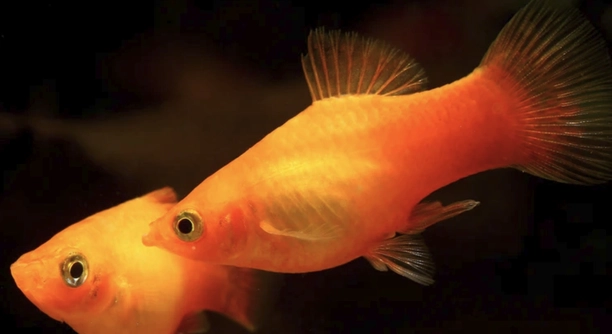
Platies are popular freshwater fish known for their peaceful nature and bright colors. Many keep them in home aquariums where they swim calmly and add life to the tank. Their behavior can sometimes change with sudden movements nearby.
Platies can become startled by sudden movements, reacting quickly to perceived threats. However, with consistent exposure and a stable environment, they may gradually become less sensitive and more accustomed to these changes over time.
Understanding how platies adjust to their surroundings helps aquarium owners create a calm and comfortable habitat for their fish to thrive.
How Platies React to Sudden Movements
Platies are naturally cautious fish. When something quickly moves near their tank, they often dart away or hide. This reaction is a survival instinct that helps protect them from predators. At first, sudden movements can cause stress for platies, making them swim erratically or seek shelter. Over time, if the movements happen regularly but pose no real threat, platies may start to stay calmer. They learn that not every quick motion is dangerous. Tank owners who approach gently and avoid startling their fish can help reduce stress. Creating a stable environment with plenty of hiding spots also supports their comfort. Watching how your platies respond can give you clues about their well-being. Calm and relaxed platies tend to show bright colors and swim smoothly. Sudden reactions usually lessen as they grow used to the routine around them.
Platies respond to sudden movements mostly through quick, startled swimming or hiding.
It is important to keep the environment consistent. Sudden loud noises, quick hand motions, or tapping on the glass should be avoided. Providing plants and decorations where platies can hide helps them feel safe. If you move slowly and predictably near the tank, the fish will feel less threatened. Over time, this approach encourages them to relax and accept daily activities without stress. This balance helps maintain their health and makes it easier to enjoy watching them.
Building Comfort Through Routine
Creating a routine around feeding and tank maintenance helps platies feel secure. When the fish know when and how you will approach the tank, they are less likely to be startled. Moving slowly and calmly when near the aquarium reduces sudden shocks. Consistent lighting and a steady temperature also contribute to their comfort. If the environment changes often or too quickly, platies may remain nervous and avoid interaction. Giving them time to adjust to new objects or decorations will prevent stress. Regular feeding times become a signal that no harm is coming. Over days or weeks, the fish learn that the routine is safe. This habit forms a pattern that encourages calmer behavior, making sudden movements less likely to cause panic.
Routine and predictability help platies feel safe and reduce their startle response to sudden movements.
Signs of Stress from Sudden Movements
Platies show stress through rapid swimming, hiding, or losing color. These signs mean they feel threatened or uncomfortable in their environment.
When platies are stressed by sudden movements, they often swim erratically or hide behind plants and decorations. Stress can also cause them to lose their bright coloration, making them look dull. Prolonged stress affects their appetite and immune system, increasing the risk of illness. Watching for these signs helps you know when your fish are feeling uneasy. Reducing sudden disturbances in the tank environment is important for their health.
If stress continues, platies may become lethargic and stop eating. It is best to create a calm environment with predictable routines to help them recover. Avoid tapping the glass or making fast movements near the tank. Using soft lighting and plenty of hiding places reduces anxiety. Healthy platies swim smoothly and show vibrant colors, so maintaining a peaceful habitat supports their well-being.
Helping Platies Adjust to Movement
Introducing movement gradually is key to helping platies get used to it. Start with slow, gentle motions around the tank before increasing activity.
Slowly increasing your presence near the tank helps platies grow accustomed to movements without becoming startled. Moving hands carefully during feeding or cleaning allows the fish to observe without fear. Over time, this reduces their startle response and builds trust in their environment. Maintaining a quiet space around the aquarium and limiting sudden loud noises also helps them feel secure.
Using consistent, calm actions teaches platies that movement does not mean danger. Adding plants and decorations provides safe spots for them to retreat when unsure. This balance between exposure and safety supports their adjustment to everyday activity. Gradual changes and patience encourage platies to relax and swim confidently, improving their quality of life.
Common Triggers for Sudden Movements
Bright flashes of light and loud noises often startle platies quickly. These triggers make them swim away fast or hide.
Unexpected tapping on the tank glass can also cause sudden reactions. Even quick hand movements near the aquarium may stress them out. Minimizing these triggers helps keep platies calm and comfortable.
Creating a Calm Environment
A peaceful tank with stable lighting, gentle water flow, and quiet surroundings helps reduce stress. Soft, indirect light prevents sudden flashes that alarm platies. Consistent water temperature and minimal loud sounds promote relaxation. Avoid tapping or banging on the glass, as it can frighten them. Adding plants and decorations gives platies places to hide and feel safe. A calm environment supports their natural behavior and helps them get used to everyday activity without panic.
Patience Is Important
Adjusting to sudden movements takes time. Being patient helps platies feel safe and lowers their stress levels.
FAQ
Can sudden movements harm platies?
Sudden movements usually don’t cause physical harm to platies, but they can cause stress. When platies are startled, their rapid swimming might lead to accidental bumps against tank decorations or glass. Over time, repeated stress can weaken their immune system, making them more prone to illness. It’s best to avoid sudden motions near the tank to keep them comfortable and healthy.
How long does it take for platies to get used to sudden movements?
The time varies depending on the fish and the environment. Some platies may adjust within days, while others might take several weeks. Consistency in gentle handling and a stable tank environment speeds up this process. Avoiding loud noises and quick motions will help them relax faster.
Are some platies more sensitive to movement than others?
Yes, individual platies can react differently. Younger or newly introduced fish often show more sensitivity. Also, platies that have experienced frequent stress before may be more easily startled. Knowing your fish’s behavior helps you manage their comfort better.
What can I do if my platies keep getting scared?
First, check the tank environment for possible stressors like bright lights, loud sounds, or rapid water flow. Provide plenty of plants or decorations for hiding spots. Approach the tank slowly and avoid tapping the glass. Gradually exposing them to daily activities can reduce their fear over time.
Does tank size affect how platies respond to sudden movements?
Smaller tanks can make sudden movements feel more intense for platies since they have less space to escape. Larger tanks with hiding places can help fish feel safer and less stressed. Ensuring your aquarium is spacious enough and well-decorated supports their comfort.
Can platies become completely unbothered by sudden movements?
Platies may never fully ignore sudden movements since it’s part of their survival instinct. However, with time and gentle handling, they usually become less reactive and calmer. Creating a stable, low-stress environment helps them tolerate normal household activity.
Should I use a tank cover to reduce stress from outside movement?
A tank cover can reduce sudden light changes and help keep the tank environment stable. It also limits external distractions that might startle platies. Just make sure it allows enough air flow and does not trap heat inside.
Is it normal for platies to hide a lot after sudden movements?
Yes, hiding is a natural response when they feel threatened. Frequent hiding after sudden movements indicates stress. Improving tank conditions and minimizing disturbances can encourage them to feel safe and swim openly again.
How does water quality affect platies’ reaction to movement?
Poor water quality can increase stress and make platies more sensitive to sudden changes. Clean water, proper filtration, and regular maintenance create a healthy environment where fish feel more secure and less reactive.
Can sudden movements cause platies to stop eating?
Stress from sudden movements may lead to loss of appetite temporarily. If stress is prolonged, poor eating habits can affect their health. Reducing stressors and keeping a calm routine usually restores their normal feeding behavior.
Platies are small, peaceful fish that can be sensitive to sudden movements around their tank. These quick motions often startle them, causing them to swim away fast or hide. This is a natural reaction that helps them stay safe from threats in the wild. In home aquariums, this behavior shows that platies are aware of their surroundings and respond to what they see. However, constant sudden movements can stress them out, which is why it’s important to create a calm and stable environment. When platies feel safe, they swim more smoothly, show brighter colors, and generally appear healthier.
Helping platies get used to sudden movements takes patience and care. The best way is to move slowly and predictably around the tank. Avoid loud noises, tapping on the glass, or quick hand motions that might scare them. Providing plenty of plants and decorations gives platies places to hide when they feel unsure. Over time, as platies grow more comfortable with regular activity near their tank, they become less reactive. Consistent feeding schedules and steady water conditions also make a big difference in reducing their stress. This routine helps platies understand that sudden movements are not dangerous and lets them relax.
In the end, watching how your platies respond to sudden movements can teach you a lot about their comfort and health. A calm fish is a healthy fish, so it’s important to keep disturbances to a minimum. By creating a peaceful tank environment and handling your fish gently, you support their well-being and make your aquarium more enjoyable to watch. Understanding their natural behavior helps you care for them better and keeps your platies happy in their home. Taking these small steps will make a big difference in how your platies adjust and thrive.

Hello,
If you enjoy the content that we create, please consider saying a "Thank You!" by leaving a tip.
Every little bit helps us continue crafting quality advice that supports the health, happiness, and well-being of pets around the world, for pets of all shapes, sizes, and species.
We really appreciate the kindness and support that you show us!